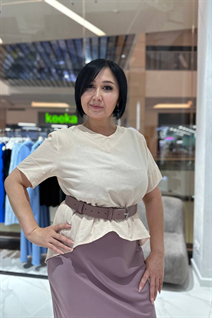
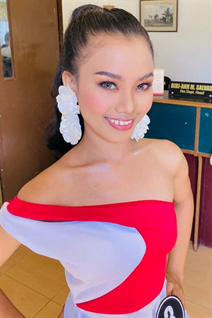
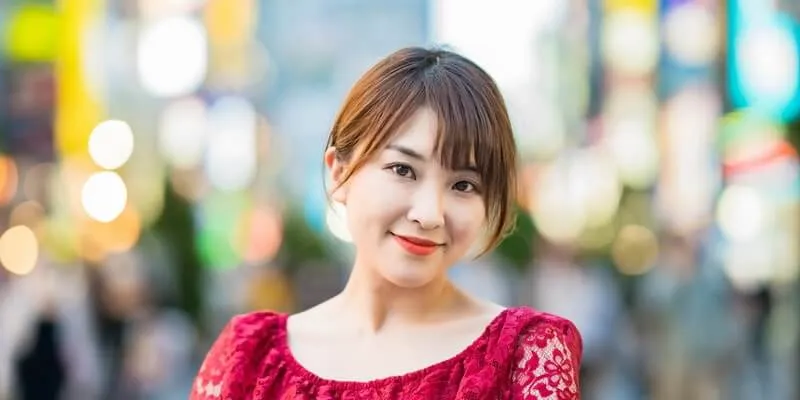
Top Asian Countries Known for Their Beautiful Women

If you want to meet Asian women online, it helps to understand that Asia is not one dating culture. The Philippines, Thailand, South Korea, Japan, Vietnam, China, and other countries have different family traditions, languages, social expectations, and relationship styles.
The Philippines: Devoted Partners with a Global Mindset
Filipina women are often associated with strong family ties, warmth, adaptability, and good English communication. Many have experience with international workplaces or relatives abroad, so cross-cultural communication can feel more natural. Still, every Filipina partner is individual, and serious dating should be based on her profile, goals, and values.
Thailand: Feminine, Caring, and Supportive
Thai women may value harmony, kindness, family respect, and calm communication. Buddhist influence can shape ideas about patience and emotional balance, but Thailand is also modern, urban, and diverse. If this direction interests you, compare the dedicated Thai brides page and dating in Thailand today.
South Korea: Ambitious Women Who Value Stability
South Korean women often live in a fast-moving, education-focused culture where career, style, family expectations, and social reputation may all matter. Many are selective because they take long-term compatibility seriously. For appearance and personality context, read Korean women traits.
Japan: Cultured, Graceful, and Deeply Committed
Japanese women are often admired for grace, intelligence, emotional restraint, and attention to respect. Some prefer subtle communication and may show care through actions more than dramatic words. If Japan is your focus, continue with Japanese brides and how to date Japanese women.
Vietnam: Family, Resilience, and Practical Values
Vietnamese women are often associated with family loyalty, practical thinking, and strong work ethic. A serious relationship may involve family expectations and cultural traditions, so it is useful to learn the context before making assumptions. For a deeper country page, see finding a Vietnamese bride.
Each country offers a different perspective on relationships, so understanding cultural context can help you meet an Asian woman who shares your values and long-term goals.
What "Mail Order Asian Brides" Means Today
The phrase mail order Asian brides still appears in search data, including older variations like "Asian mail order bride" or misspelled searches such as "mail order asain brides". It is important to understand this as outdated language for a modern dating intent, not as a real description of how relationships work.
Asian women are not products, orders, or guarantees. Modern international dating is based on mutual choice, verified profiles, respectful messages, video communication, and a decision from both people to keep building trust. If you want a serious relationship, the better path is to read profiles carefully, ask thoughtful questions, and move at a pace that feels comfortable for both sides.
Country context matters. A man interested in Japanese brides may need to understand subtle communication and personal space, while someone focused on Thai brides should pay attention to harmony, family respect, and calm pacing. These are different cultures, not one interchangeable category.
Korea and the Philippines need separate context. For Korea, start with Korean women traits and the Seoul guide for city-specific dating context.
For the Philippines, read unique qualities of Philippine brides or dating in the Philippines today.
So when people search for mail order Asian bride or similar terms, the modern answer should be clear: use online dating responsibly, confirm interest through real communication, use video chat before major decisions, and never treat nationality as a promise of compatibility.
Legal Requirements for International Marriage
If a relationship with an Asian partner becomes serious, marriage and relocation may involve documents, embassy rules, visa timelines, interviews, and proof that the relationship is genuine. Requirements vary by country, so use this section as a general orientation, not legal advice.
Legal Framework for Marrying an Asian Bride
Asia has diverse legal systems when it comes to international marriages, and each country has specific requirements. Generally, laws in many Asian nations recognize marriages between locals and foreigners, but they impose strict conditions to ensure legitimacy. The Hague Convention on Marriage and local family laws regulate such unions. Additionally, some Asian countries require proof of legal capacity to marry, background checks, and public notices before granting approval. The legal age for marriage varies, but it's typically 18 for women and 21 for men in most Asian countries.
Marriage registrations usually occur at government offices like the Civil Registry, Ministry of Justice, or Local Municipal Offices. To legally register a marriage in Asia, you'll need the following:
- Valid Passport: $50 (processing varies by country)
- Affidavit of Legal Capacity to Marry: $30 (issued by your embassy)
- Birth Certificate: $20 (official translation required)
- Marriage Application Form: $10 (available at local registry offices)
- Medical Certificate of No Contagious Disease: $40
- Marriage Registration Fee: $100
- Notary Fees for Document Authentication: $50
The entire process can take anywhere from 2 weeks to 3 months, depending on the country and documentation requirements.
The Process of Obtaining a Fiancée Visa for an Asian Bride
Getting a fiancée visa for an Asian partner to move to the U.S. involves navigating immigration laws and visa regulations. The Immigration and Nationality Act (INA) Section 214(b) and U.S. Immigration Marriage Fraud Amendments of 1986 govern these applications. The primary visa for a foreign fiancée is the K-1 Visa.
Key steps to obtain a K-1 Fiancée Visa:
- File Form I-129F (Petition for Alien Fiancée): $535, submitted to U.S. Citizenship and Immigration Services (USCIS).
- Approval and Transfer to National Visa Center (NVC): Takes 4-6 months.
- Fiancée applies for K-1 Visa at the U.S. Embassy: Requires:
- Valid Passport: $50
- Birth Certificate: $20
- Police Clearance Certificate: $30
- Medical Examination Certificate: $200
- Form DS-160 (Online Nonimmigrant Visa Application): $265
- Affidavit of Support (Form I-134): $100
- K-1 Visa Fee: $265
- Attend Visa Interview at U.S. Embassy
- Visa Issued (Valid for 6 months): Entry required within this time.
- Marriage within 90 days of U.S. entry
To obtain U.S. permanent residency (Green Card), your Asian spouse must file Form I-485 (Adjustment of Status): $1,225, including biometric services.
After 3 years of marriage, she can apply for U.S. citizenship through Form N-400: $640.
Understanding the process helps you plan responsibly. Keep records of communication, travel, photos, and shared plans, and check official immigration sources before making decisions.
Essential Insights into Asian Culture and Marriage Traditions
If you are planning a serious future with an Asian partner, understanding her cultural background is important. Weddings in Asia can be deeply rooted in family traditions, religious customs, and symbolic rituals. The exact process depends on the country, region, faith, and family.
How Is a Marriage Proposal Traditionally Made in Asia?
How do men propose to Asian brides? Unlike Western cultures, where grand, public proposals are common, traditional Asian marriage proposals are often family-centered and deeply symbolic. In many Asian cultures, marriage is not just about two people; it's a union of families.
In countries like China and Vietnam, a formal proposal involves the groom's family visiting the bride's parents to express their intentions. This is often accompanied by gifts such as tea, jewelry, or money to symbolize sincerity. In Japan and South Korea, modern proposals may include a romantic gesture from the groom, but the family's approval is still a key part of the process.
Engagement ceremonies in Asia are elaborate. In the Philippines, the "Pamanhikan" is a gathering where both families formally meet to discuss wedding arrangements. In India, engagements often include a ring exchange and religious blessings. The emphasis on family consent, respect, and financial stability makes the engagement process in Asia a serious and highly valued tradition.
The Process of a Traditional Asian Wedding Ceremony
What happens during a traditional Asian wedding ceremony? The wedding process varies by country, but most Asian marriages follow structured, symbolic rituals:
- Pre-Wedding Rituals: These may include religious ceremonies, matchmaking meetings, or auspicious date selections. In India and China, astrology plays a role in determining the best wedding day.
- Bride's Preparation: In Korea, brides wear a Hanbok, while in Japan, they don a Shinto wedding kimono. In Thailand, brides wear a traditional silk outfit and gold jewelry.
- Wedding Ceremony: The ceremony can be religious, cultural, or a mix of both. In Buddhist weddings, monks offer blessings, while in Chinese tea ceremonies, the couple serves tea to elders as a sign of respect.
- Banquet & Celebrations: Asian weddings often feature large feasts, music, and performances. In Vietnam, weddings typically include a multi-course meal and symbolic dishes like roasted pig.
Most Notable Asian Marriage Traditions and Wedding Customs
What are the most important wedding traditions in Asian culture? Here are five key customs that define Asian weddings:
- The Tea Ceremony (China, Vietnam, Malaysia): The couple serves tea to their parents and elders, symbolizing respect and gratitude. This act strengthens family bonds and formally acknowledges the union.
- Red Wedding Dresses (China, India, Vietnam): In many Asian cultures, red is the color of luck, prosperity, and happiness. Brides wear red dresses or saris, and red decorations fill the venue to bring good fortune.
- Money Gifts Instead of Presents (Most of Asia): Instead of gift registries, guests give money in decorative envelopes (Hongbao in China, Shagun in India, and Bai Jin in Vietnam). This money helps newlyweds start their life together.
- Multiple-Day Celebrations (India, Indonesia, Thailand): Many Asian weddings are multi-day events, featuring religious rituals, dancing, and feasts. In India, weddings can last up to a week!
- Matchmaking and Astrology (China, India, Japan): Many families still consult astrologers or matchmakers to ensure compatibility between the bride and groom. In China, BaZi astrology is used to determine the couple's future together.
Asian weddings are rich in culture, symbolism, and deep family connections. Understanding these traditions will not only help you navigate the process but will also impress your Asian bride-to-be and her family!
How to Support a Partner Moving Abroad
Relocating to a new country is both exciting and overwhelming. Your partner may face different customs, expectations, language habits, social norms, and emotional pressure. Patience and practical support matter more than grand promises.
One of the biggest challenges for Asian brides is cultural integration. Many Asian cultures emphasize collectivism and strong family ties, while Western societies prioritize individualism and independence. Adjusting to this shift can be tough! Encouraging her to maintain connections with her family while embracing new social norms will help ease the transition. Helping her understand everyday interactions, from casual greetings to workplace etiquette, will make her feel more comfortable and accepted.
Another major hurdle is social isolation. In countries like the U.S., Canada, the UK, and Australia, newcomers often struggle to build friendships due to cultural and language differences. Encouraging your Asian spouse to join local community groups, expat networks, or cultural organizations will help her meet new people and feel less alone. Attending social gatherings together and introducing her to your friends can also help her feel included.
Language barriers are another significant challenge. Even if your Asian wife speaks some English, adapting to accents, slang, and fast-paced conversations can be intimidating. Enrolling her in language courses, encouraging her to watch local TV shows, and practicing daily conversations together will improve her confidence. The more she immerses herself in the language, the more at ease she will feel in social situations.
The emotional and psychological impact of relocation stress can't be ignored. Many Asian brides experience homesickness, loneliness, and culture shock, which can lead to anxiety or depression. Being patient, listening to her concerns, and reassuring her that her feelings are valid will help her adjust emotionally. Seeking counseling or support groups specializing in cross-cultural relationships can also provide valuable coping mechanisms.
Ultimately, the key to helping an Asian partner adapt is understanding, encouragement, and active support. By addressing cultural differences, social integration, language barriers, and emotional well-being, you build a stronger bond and make the transition healthier for both people.
Attraction, Respect, and Stereotypes
Many men are attracted to Asian women because of appearance, style, cultural curiosity, and the possibility of a serious international relationship. Attraction is natural, but it becomes harmful when it turns into racial stereotypes or assumptions that all women from Asia are the same.
Searches about Asian brides often mix attraction, curiosity, and serious dating intent. A responsible dating page should translate that interest into respectful language: beauty and chemistry can matter, but they should never turn Asian women into a fantasy category or suggest that nationality predicts private behavior.
In a real relationship, intimacy grows from mutual comfort, trust, communication, and consent. A woman may be affectionate, reserved, direct, shy, romantic, or practical depending on her personality and experience. If you want to find an Asian bride for marriage, attraction should be only one part of the picture, along with emotional compatibility, values, and long-term plans.
Respectful dating means seeing the woman as an individual first. Her country, language, religion, family background, education, and personality may shape her worldview, but they do not define every choice she makes. Ask questions, listen carefully, and avoid comments that reduce her to race or stereotypes.
The old phrase "Asian mail order bride" may appear in search results, but it should be understood as outdated language. On a modern dating platform, women are not products or guarantees. They choose who they talk to, whether they trust someone, and whether a relationship should move forward.
To sum up, Asian women are:
- Individuals. They have their own education, work, family history, preferences, and boundaries.
- Respectful. They have a deep respect for people who know how to be frank and transparently express their thoughts. They sincerely appreciate their parents and grandparents. They know how to maintain a relationship and not hurt your relatives.
- Diverse. A Japanese woman, a Thai woman, a Filipina woman, and a Vietnamese woman may have very different expectations.
Dating Asian Women: Major Rules to Accept
RULE #1: Accept single Asian ladies as a personality and not an object belonging to the Asian culture. Try not to raise the issues of being Asian and never try to speak her language if you only know a couple of words and phrases. Showing respect means not showing your knowledge about the culture; it's the last thing your potential partner would like to discuss on a date.
RULE #2: Never reduce your partner to her country or appearance when dating Asian women. A woman from Asia wants to be respected as a full person, the same as any other woman. Cultural background may shape her values, but personality, boundaries, and goals matter more than assumptions.
RULE #3: Don't be scared and try to demonstrate no fear and confusion when communicating with a woman of the other race face-to-face. She's a regular woman with slight differences because of her background, that's all. She also experiences slight confusion and awkwardness, so embrace it and control your emotions. Your excitement or excessive nervousness may look suspicious.
RULE #4: Make sure you have something to offer. It's not only about the financial issue. You should be an interesting company and a thoughtful man able to listen and accept opinions.
RULE #5: Ask questions and show genuine interest. If you are not confident about what to ask a woman from another culture, start with daily life, family traditions, food, work, hobbies, language, and travel. You should also be ready to answer the same questions in return.
RULE #6: Learn about her country without pretending to be an expert. Travel can help, but online communication, video calls, and cultural curiosity are often the first practical steps.
Asian women dating internationally often appreciate a man who can be respectful, emotionally mature, and realistic about distance. This man should be:
- Tolerant of religious values;
- Open-minded;
- Confident;
- Straightforward and polite.
RULE #7: Present Yourself Authentically with Asian single women. This is pretty much the golden rule of dating as it applies to Asian women: don't misrepresent yourself in any way, shape, or form. By the same token, though, don't be so coy that you come off as a meek and mild-mannered nerd. Be yourself.
RULE #8: Don't be too self-conscious. You do not need to apologize for who you are, but you should be aware that stereotypes can make a conversation uncomfortable. Confidence works best when it comes with tact.
Last Updated: 09/15/2026


 Start Live chat
 Send Message