Dating Curvy Women: Attraction, Respect, and Compatibility
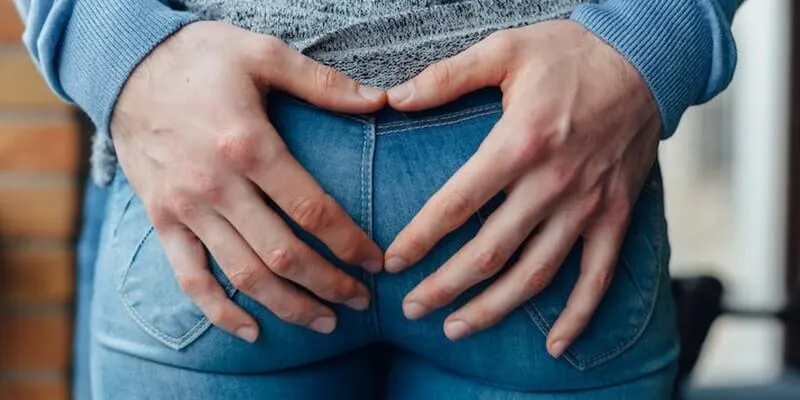
Dating curvy women should not require a special set of rules. Attraction may begin with body shape, just as it can begin with a smile, voice, style, or expression, but a relationship develops between two individual people. Curves do not predict confidence, personality, health, sexuality, eating habits, or interest in marriage.
Search phrases such as “thick girls with big butts” or “girls with nice butts” describe a physical preference in blunt language. That preference is not automatically disrespectful. The important question is what happens next: whether you approach a woman as a complete person, communicate without reducing her to one body part, and make room for her own boundaries and goals.
This guide explains why curves can be attractive, how to express that attraction respectfully, and which assumptions can damage a connection. If you want to browse profiles by body type, use the pages for curvy women, plus-size women, or athletic women. Profile discovery belongs on those pages; this article focuses on dating behavior and compatibility.
Browse women's profiles and start with a genuine conversation
Why Are Curvy Women Attractive to Many People?
Physical attraction is shaped by personal taste, culture, experience, media, and the individual standing in front of you. Some people notice a fuller silhouette, defined waist, wider hips, strong legs, or the way clothing follows curves. Others respond first to posture, movement, facial expression, or confidence.
Beauty standards also change. Different eras and communities have celebrated slim, athletic, soft, muscular, or fuller bodies. Social media has made more body types visible, although it can also replace one narrow ideal with another. A current trend does not determine what anyone must find beautiful.
It is healthy to recognize a preference without turning it into a theory about women. A curvy body does not prove that someone is warm, fun, traditional, fertile, confident, or sexually adventurous. Those are separate characteristics that can only be learned through interaction.
What Do “Thick,” “Curvy,” “Plus-Size,” and “BBW” Mean?
These labels overlap, but they are not precise measurements. “Curvy” often describes visible differences between the waist, hips, bust, or thighs. “Thick” is an informal term frequently used for a fuller or more muscular lower body. “Plus-size” generally relates to clothing ranges, while “BBW” is a dating and community term meaning “big beautiful woman.”
Not every woman uses the same label for herself. One may say curvy, another plus-size, another fat, athletic, or simply nothing at all. Do not correct the language she chooses or assign a category because it appears in a search filter. Filters help discovery; they do not replace identity.
Terms such as “big butt” and “nice butt” may appear in searches, but they can sound objectifying in a first conversation. Language that is acceptable in a private relationship may be unwelcome from a stranger. Context, consent, and familiarity matter.
Attraction Is Valid, but Fetishization Is Not Connection
A body preference becomes fetishization when the body type matters more than the person. Warning signs include sending the same sexual message to many women, assuming sexual behavior from size, asking for specific photos, ignoring profile interests, or treating a woman as proof of a fantasy.
Attraction leaves room for discovery. You can appreciate curves and still care about her work, humor, opinions, friendships, family, and plans. You can accept that she may change weight, dress differently, or dislike the language you associate with her body. A person does not owe you permanent access to a preferred shape.
A simple test helps: if her body changed, would you still be curious about her? If the answer is no, be honest that the interest is narrow rather than presenting it as serious relationship potential.
How to Compliment a Curvy Woman Respectfully
A good compliment communicates attention without creating pressure. Early in online dating, start with something she intentionally shared: an activity, outfit, place, book, profession, or smile. “That color looks great on you” gives her more room than a graphic observation about her hips.
If body-focused compliments become appropriate, follow her language and response. One sincere comment is enough. Repeating it in every message suggests that you have not noticed anything else. Avoid ranking her against thin women, telling her she that “real women have curves,” or presenting your attraction as a favor.
Respect is not vague politeness. It means accepting that a compliment may not land as intended. If she changes the subject or says she dislikes body comments, acknowledge it and move on without debating your intention.
What to Write in the First Message
A first message should make an answer easy. Mention one profile detail and ask one open but manageable question. For example: “I noticed you enjoy weekend road trips. Which place would you happily visit again?” This shows that you read rather than scanned her photos.
Avoid messages about measurements, weight, clothing size, dieting, or what you imagine her body looks like. Do not open with pet names or sexual requests. Even a positive comment can feel intrusive when there is no familiarity.
If her profile directly celebrates fashion or body confidence, you can acknowledge the energy of a photograph without claiming to know how she feels. “You look confident in that blue dress” is an observation; “I know you love being admired for your curves” invents a personality.
Dating a Curvy Woman Is Not a Personality Type
Body shape cannot tell you whether someone is cheerful, shy, ambitious, jealous, loyal, domestic, athletic, or relaxed about food. The old idea that a fuller woman must compensate with humor or gratitude is insulting. So is the assumption that confidence, insecurity, or emotional strength can be read from photographs.
Learn the individual pattern. How does she handle disagreement? What makes her feel cared for? What does she want from dating? Does she enjoy restaurants, hiking, museums, gaming, travel, or quiet evenings? Those answers belong to her, not to a body category.
This also protects you from idealization. A woman you find physically attractive can still be incompatible, unavailable, or inconsistent. Attraction deserves attention, but it should not overrule evidence.
Health and Body Size Are Private, Complex Subjects
You cannot diagnose health from a profile image. People at many sizes can have different medical conditions, activity levels, diets, and fitness. Unsolicited advice about losing weight, exercising, fertility, or food is not concern; it is an assumption made without information or invitation.
If a relationship becomes serious, couples may discuss health as part of ordinary life. That conversation should be reciprocal and relevant, not a project to redesign one partner. Ask what support is welcome instead of assigning goals.
Dates also do not need to revolve around proving an idea about food or fitness. Suggest activities based on interests and accessibility. A café, gallery, walk, concert, class, or dinner can work for people of many body types when both enjoy the plan.
Clothing, Confidence, and Photos Do Not Equal Consent
A fitted dress, swimsuit, gym photo, or confident pose may express style, comfort, or enjoyment of a moment. It is not automatic permission for sexual messages, private-photo requests, comments in public, or physical contact.
Confidence also changes by setting. Someone can enjoy her appearance and still dislike attention from strangers. Another woman may be comfortable discussing her body but uncertain about dating. Let her behavior and words define the boundary.
During a video call or in-person date, the same rule applies: ask before recording, sharing images, touching, or changing the tone of the conversation. Attraction becomes safer and more enjoyable when no one has to defend a basic boundary.
Plan Dates Around Shared Interests, Not Body Assumptions
The best date is not automatically a restaurant, gym, or activity designed around size. Read the profile and offer a specific choice: coffee near a public landmark, an exhibition, a casual meal, live music, or a walk in a busy park. Ask whether the venue and timing work for her.
For a first meeting, choose a public place that both people can leave independently. Avoid surprise activities requiring specialized clothing, intense physical effort, or close body contact. Practical consideration is attractive because it shows awareness without making size the subject.
Online, move from text to video only when both are comfortable. Video can confirm conversational chemistry and connect current appearance with profile photos, but it is not a demand for a full-body inspection or private tour.
Compatibility Matters More Than a Preferred Silhouette
A serious relationship needs more than physical chemistry. Compare communication, exclusivity, emotional availability, children, finances, location, and future plans. Notice whether both people initiate, listen, remember details, and handle boundaries without punishment.
Body preference may begin the match, but shared life determines whether it continues. Ask yourself whether you enjoy the conversation when appearance is not the topic. Can you respect a different opinion? Are you interested in her goals? Do both people make realistic effort?
Do not rush because the profile matches a fantasy. Time reveals consistency, and consistency is more useful than intense early praise.
Common Mistakes When Dating Curvy Women
- Making every compliment about her body. Attraction becomes repetitive when nothing else is noticed.
- Comparing her with thin women. One body type does not need another to be insulted before it can be appreciated.
- Assuming she is insecure. Do not offer reassurance for a problem she never expressed.
- Assuming she is confident. A bold photograph does not remove the need for sensitivity and consent.
- Giving health advice. Diets, fertility, exercise, and diagnoses are not first-date conversation.
- Expecting gratitude for attention. Attraction does not create obligation or lower anyone's standards.
- Using fetish labels without consent. Follow the terms she chooses for herself.
- Ignoring incompatibility. A preferred appearance cannot repair conflicting values or one-sided effort.
Frequently Asked Questions About Dating Curvy Women
Why are some people attracted to curvy women?
Attraction is personal and may involve shape, movement, style, confidence, expression, and many other qualities. It does not define the woman being noticed.
How do you compliment a curvy woman respectfully?
Use a sincere, specific compliment without making her body a public evaluation. Follow her response and respect the language she prefers.
Is dating a curvy woman different from dating anyone else?
The foundations are the same: mutual attraction, communication, boundaries, compatible values, and shared effort.
Should you mention a woman's curves in the first message?
Usually it is better to begin with an interest or detail she chose to share. Early body comments can feel generic or sexualizing.
What should you avoid when dating a plus-size woman?
Avoid diet advice, weight jokes, comparisons, fetish language, health assumptions, and treating her body as the relationship's main subject.
Can body preference support a serious relationship?
It can begin attraction, but trust, communication, emotional availability, shared goals, and practical compatibility sustain a relationship.
Attraction Should Lead to Curiosity, Not Assumptions
Curvy women do not share one personality, lifestyle, or relationship goal. A fuller figure may catch your attention, but respectful dating begins when you become interested in the individual behind the image.
Read the profile, write about something specific, keep compliments proportionate, and let consent guide more personal conversation. Physical preference is one part of dating. The meaningful question is whether two people can build trust, enjoy each other's company, and create a relationship that works beyond appearance.
Meet women you find attractive and look for real compatibility

 Start Live chat
 Send Message