Irish Women: Facial Features, Appearance and Beauty Standards
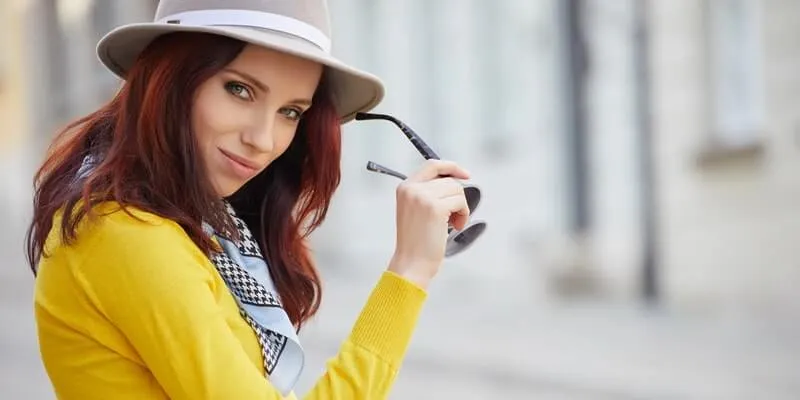
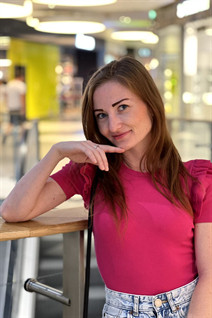
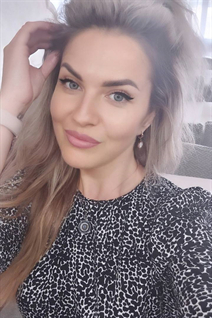
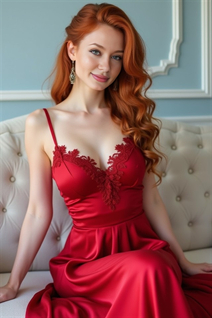
Irish women features include far more variety than the familiar image of red hair, green eyes, pale skin, and freckles. Those traits are visibly associated with Ireland, but most women do not match every part of that picture. Brown hair, blue or hazel eyes, different complexions, many facial structures, and every height and body type are also ordinary.
This guide explains what Irish women look like, which appearance myths need context, how clothing and beauty standards reflect modern life, and what culture can tell you about communication.
Move beyond first impressions
Read the guide to dating Irish women for practical expectations. Registration opens a broader international dating service; check available profiles rather than assuming members from a particular country.
What Do Irish Women Look Like?
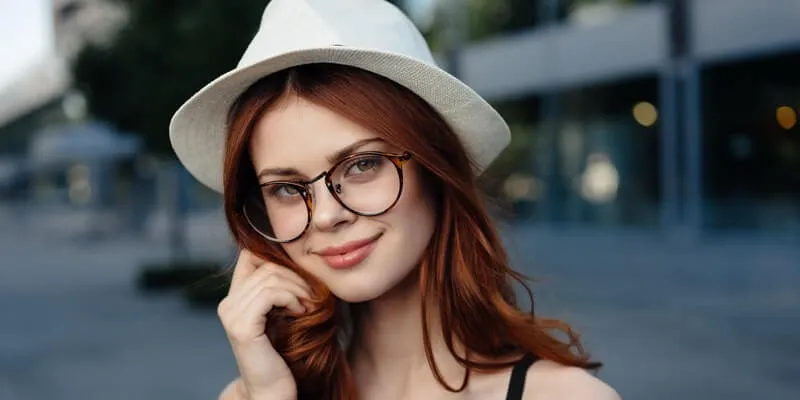
Irish appearance reflects family history, migration, age, region, and individual variation. Fair complexions and light-colored eyes are common visual associations, yet modern Ireland includes women with light, medium, olive, and deeper complexions and many combinations of hair and eye color.
An Irish identity is cultural and national, not a checklist of inherited traits. A woman born or raised in Dublin, Cork, Galway, Limerick, Belfast, or another community may have Irish, European, African, Asian, Middle Eastern, or mixed family roots. All belong to the contemporary picture.
Irish Female Facial Features: Face Shape, Eyes and Brows
Descriptions of Irish women's facial features often mention oval or angular faces, defined cheekbones, expressive or deep-set eyes, and fair skin that may freckle. Round, heart-shaped, long, and softly structured faces are equally possible. Nose shape, lips, jawline, and brows vary across individuals and cannot be assigned to a single Celtic pattern.
A description such as defined cheekbones or deep-set eyes identifies one visible characteristic, not a uniquely Irish structure. Jawlines can be soft or pronounced, brows can be fine or full, and different nose and lip shapes occur together. Comparing these details does not establish whether someone is Irish or where her family originated.
For a realistic impression, distinguish facial shape from a photograph's presentation. Side lighting can sharpen contours, a close camera can change apparent proportions, and brow styling can draw attention to the eyes. Look at different photographs rather than treating one posed portrait as a complete account of her appearance.
Expressions also shape perception. A profile photograph may look serious while live conversation reveals warmth and humor. Facial structure cannot show whether someone is kind, independent, traditional, ambitious, or interested in a relationship.
Hair colors: are all Irish women redheads?
No. Red and auburn hair are more visible in Ireland than in many countries and form a recognizable part of Irish imagery, but brown and dark brown hair are also widespread. Blonde, black, naturally gray, highlighted, and brightly colored hair all appear in everyday life.
Hair texture ranges from straight to wavy, curly, and coily. Personal styling, salon coloring, work, age, and fashion influence appearance as much as natural color. Calling every red-haired woman fiery combines an appearance stereotype with a personality stereotype and should be avoided.
Irish eye colors
Blue and green eyes are strongly associated with Ireland, while gray, hazel, and brown eyes also occur. Green eyes are memorable but should not be treated as the universal Irish eye color. Makeup, lighting, hair color, and clothing can also change how an eye shade appears in photographs.
Fair skin, freckles and complexion diversity
Fair skin and freckles are common associations because many people in Ireland have complexions sensitive to sunlight. Freckles may become more visible after sun exposure and can appear with red, blonde, or brown hair. They are not exclusive to Irish people and are not present on every Irish woman.
Irish complexions are more diverse than older cultural imagery suggests. Skincare choices, tanning, makeup, mixed ancestry, and Ireland's increasingly international population create a much broader range. Skin tone should never be linked to authenticity, class, health, or personality.
| Feature | Familiar association | Useful context |
|---|---|---|
| Hair | Red, auburn, or blonde | Brown and dark hair are also common; all textures occur |
| Eyes | Green or blue | Gray, hazel, and brown eyes are also part of Irish appearance |
| Skin | Fair and freckled | Complexions and undertones vary across modern Ireland |
| Face | Defined cheekbones or angular structure | Every face shape and feature combination is represented |
| Body | Tall, slim, or athletic | Height, build, age, fitness, and proportions vary individually |
Irish Ancestry and Appearance Without the Myths
Ireland's population has been shaped by long periods of settlement, movement, trade, and migration involving Gaelic communities, Vikings, Anglo-Normans, Britain, continental Europe, and the wider Irish diaspora. This history helps explain cultural complexity, but it should not be converted into a simple map where each facial feature is assigned to one historical group.
Claims that red hair is specifically Viking, that a particular nose is Celtic, or that dark-haired Irish people descend from Spanish Armada survivors are popular stories rather than reliable tools for identifying ancestry. Physical traits are inherited through many family lines, and similar features appear across Ireland, Britain, and Europe.
Modern appearance also reflects recent migration and mixed families. A woman does not need pale skin, freckles, a Gaelic surname, or generations of documented ancestry to have an Irish identity. Nationality, culture, and belonging are lived experiences rather than a visual test.
What appearance can and cannot tell you
Appearance can describe hair, eyes, skin, or style. It cannot reliably reveal humor, religion, politics, education, loyalty, class, or relationship intentions.
Is There a Typical Irish Woman Body Type?
Population averages can describe broad trends, but they do not predict an individual Irish woman's height or build. Petite, tall, slim, athletic, curvy, plus-size, disabled, and older bodies all belong in any realistic account of Irish women.
Outdoor activities, walking, sports, gyms, and wellness culture are visible parts of life for some women, while others have different interests or physical needs. Body shape should not be attributed to Celtic ancestry, rural work, or national character. It also says nothing about a woman's relationship goals.
What Do Irish Women Wear?
Ireland's changeable weather makes layers, knitwear, waterproof jackets, coats, boots, and practical shoes useful. Everyday wardrobes also include jeans, dresses, office clothing, trainers, streetwear, sportswear, and the same international trends seen across European cities.
Modern city style
Dublin supports professional, student, creative, vintage, luxury, and alternative fashion scenes. Cork, Galway, Belfast, Limerick, and smaller towns each have their own mix of local shops, university life, nightlife, and practical clothing. Style is shaped by social circle and occupation rather than nationality alone.
Traditional textiles and heritage
Aran knitwear, tweed, linen, lace, and Celtic-inspired design have cultural associations with Ireland and remain visible in tourism, craft, fashion, and family traditions. They are not a standard uniform for Irish women. A heritage item may be meaningful, fashionable, practical, or simply a personal choice.
Going out and formal occasions
Evening and formal style ranges from understated to highly polished. Dresses, suits, statement accessories, high heels, boots, and comfortable alternatives all appear. Weddings and racing events may include hats or fascinators, but the occasion and personal preference determine the outfit.
Irish Beauty Standards and Self-Expression
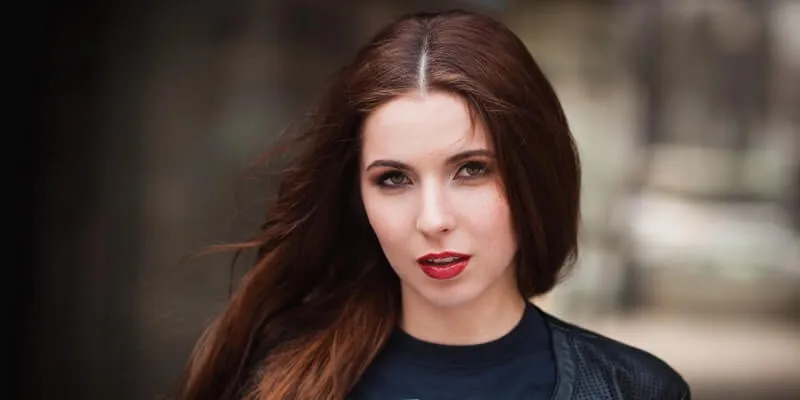
Irish beauty standards combine local preferences, British and European media, global social platforms, salon culture, and changing attitudes toward body image. Natural-looking makeup may be popular in one setting, while defined brows, false tan, bold cosmetics, cosmetic treatments, or alternative styling may be popular in another.
Sun protection can be relevant for fair or freckled skin, but skincare habits differ individually. Clear skin, hair texture, weight, and age should not be treated as evidence of health or personal discipline. Beauty routines are choices, not national obligations.
Natural beauty is not one fixed look
The phrase Irish natural beauty is often used for freckles, pale skin, red hair, and minimal makeup. A better definition includes confidence in any complexion, hair color, body type, or style. Women can celebrate natural features while also enjoying color, fashion, tanning products, or salon treatments.
Everyday Routines and Occasion Styling
Irish beauty standards are easier to discuss through occasions than through a single ideal. A workday, a walk in changeable weather, and a formal celebration can call for different clothes and grooming choices. The same woman may enjoy a simple everyday routine and a polished evening look. Neither tells you whether she is more genuine, approachable, or serious about dating.
When choosing a first-date setting, explain the plan so both people can dress comfortably. Suggesting a cafe with the option of a short walk is more considerate than announcing an outdoor activity after arrival. Compliment a chosen detail, such as a jacket or hairstyle, without comparing her to an imagined Irish beauty standard.
Confidence and individuality
Personal style can communicate creativity, belonging, professionalism, or mood, but it does not reliably reveal values. Compliment a choice the woman actually made rather than telling her that she matches an Irish ideal.
Irish Women Personality and Communication
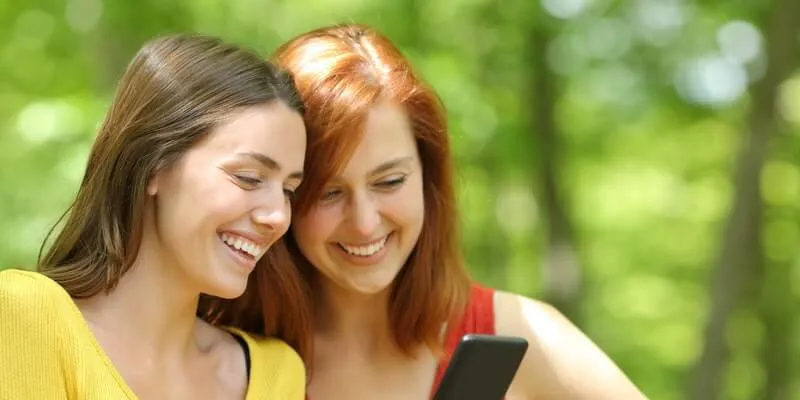
Irish women are often described as humorous, independent, sociable, resilient, and warm. These qualities may reflect familiar cultural values, but they cannot be promised by nationality. Some women are outgoing and quick with jokes; others are private, direct, serious, shy, or slow to trust.
Humor and conversational tone
Teasing, irony, understatement, and self-deprecating humor can appear in Irish conversation. Tone matters, especially online. A joke may signal comfort, but it should not become permission to insult, sexualize, or dismiss a boundary. If you are unsure, ask rather than trying to prove that you understand every cultural reference.
Independence and relationship expectations
Education, careers, friendships, travel, and personal space are important to many women. Independence can coexist with commitment and close family ties. Discuss exclusivity, money, household roles, children, and location instead of assuming that an Irish woman wants either a traditional or completely casual relationship.
Family, identity and modern values
Family and local community may be meaningful, but involvement differs from one household to another. Religious identity also varies widely. Ireland's historical Catholic influence provides cultural context, not proof of personal belief or conservative relationship expectations.
Emotional connection is also individual rather than national. The comparison of emotional and physical attraction explains why appearance may begin an interaction while trust, curiosity, and shared values determine whether it develops.
Modern Life, Careers and Relationship Expectations
Irish women work and study across technology, healthcare, education, finance, public service, hospitality, science, agriculture, media, and creative industries. Daily life can involve housing costs, commuting, career development, travel, friendships, sport, family responsibilities, or caring work. These practical realities shape availability and priorities more than an inherited national personality.
A woman may want marriage and children, prefer a long period of dating, remain child-free, focus on a career, or combine several goals. Ask what she means by a serious relationship. Exclusivity, shared residence, relocation, marriage, and family planning are separate decisions that should not be inferred from culture.
Equality, independence and romantic gestures
Offering to pay, bringing flowers, or planning a thoughtful date can be welcome, but no gesture has one Irish meaning. Ask how she prefers to handle expenses and planning. Independence does not mean rejecting romance; it means both people retain a voice in decisions and contribute according to an arrangement they actually accept.
International relationships and relocation
If a connection crosses borders, discuss work rights, location, travel costs, family contact, and long-term plans before making promises. Irish culture may be part of the attraction, but it is not a relocation strategy. Both people need an honest picture of the practical future.
Dublin, Cork, Galway and Regional Context
Ireland is not divided into fixed regional personalities. Still, location shapes daily life. Dublin has the largest professional and international population, busy housing and commuting pressures, universities, and broad social scenes. Cork and Galway have their own cultural, academic, technology, tourism, and community networks.
Smaller towns and rural areas may involve tighter social circles and more recurring contact through family, work, sport, or local events. That context can affect how people meet, but it does not prove that a woman is traditional, outdoors-oriented, or eager to leave Ireland.
Irish and English language use also varies. Irish is culturally significant and used daily in some communities, while English is the main language for most people. Show interest without expecting your date to perform national identity or teach a language on demand.
Myths About Irish Women
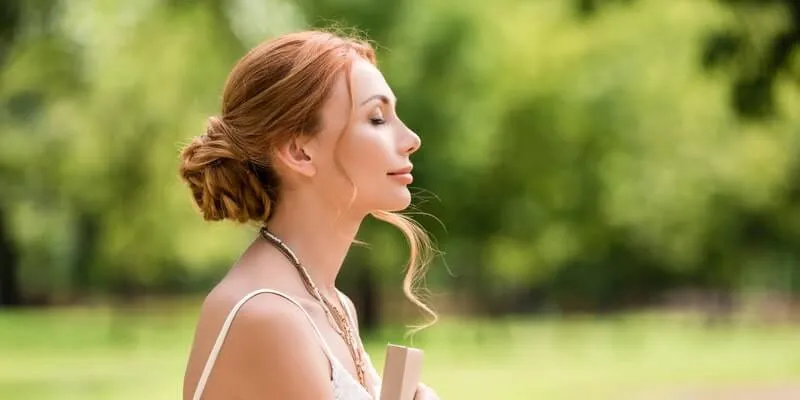
Every Irish woman has red hair and green eyes
Red hair and green eyes are recognizable Irish associations, not the majority combination or a test of identity. Brown hair and blue eyes are also common, alongside many other combinations.
Irish women are always cheerful and humorous
Humor can be culturally visible, but every person experiences the full range of emotions. A woman should not be expected to entertain a date or hide stress because of a national stereotype.
Irish women are rural, traditional, and family focused
Women live urban, suburban, rural, local, and international lives. Family may be important while careers, independence, travel, and different relationship structures are equally real.
Irish women are more natural than other European women
Beauty practices differ across individuals, not national rankings. Comparing Irish women favorably against French, German, Scandinavian, or Eastern European women turns diversity into a competition and adds little to compatibility.
For continental context without ranking nationalities, read the guide to European women features.
If your interest extends beyond Ireland, profiles of Slavic brides offer a separate international dating direction with its own countries, cultures, and communication patterns.
Dating Irish Women Online
To move from cultural interest to a more personal connection, the separate guide to dating Irish women covers relationship expectations and practical dating advice in more detail.
On online dating, begin with an interest or detail from her profile rather than a redhead joke or claim about Irish charm. The guide to a first message in international dating offers examples that are short, personal, and easy to answer.
Use dating chat to learn whether questions and initiative move in both directions. When interest becomes consistent, live video chat can reveal tone, humor, and chemistry before either person discusses travel.
Do not interpret friendliness as guaranteed romantic interest. Look for reciprocal effort, kept plans, respectful flirting, and direct conversation about intentions. Keep financial information private and avoid sending money because of an urgent online story.
Conversation topics that move beyond stereotypes
Ask about the city she knows, books, work, music, travel, food, sport, weekend plans, or an interest shown in her profile. The list of first-date questions can help, but use one question at a time and share your own answer. Avoid opening with jokes about redheads, drinking, leprechauns, temper, or marriage.
If she mentions Irish language, history, or family traditions, let the subject develop naturally. Genuine interest feels different from asking one woman to explain or defend an entire country.
Frequently Asked Questions About Irish Women
What do Irish women look like?
Irish women have diverse appearances. Fair skin, freckles, blue or green eyes, and brown, blonde, auburn, or red hair are familiar associations, but Irish women also have darker hair, brown or hazel eyes, varied complexions, facial structures, heights, and body types.
Do most Irish women have red hair?
No. Red and auburn hair are strongly associated with Ireland and occur visibly, but brown and dark hair are also common. Blonde, black, naturally gray, and colored hair are part of modern Irish appearance as well.
What are common Irish women's facial features?
Descriptions may mention fair complexions, freckles, defined cheekbones, expressive eyes, and oval or angular faces. These are broad associations rather than a fixed Irish face, and no facial feature indicates personality or relationship compatibility.
What are Irish beauty standards?
There is no single Irish beauty standard. Personal routines can include minimal makeup, defined brows, salon styling, tanning products, or bold fashion. Occasion, age, budget, and personal taste influence presentation more than a fixed national ideal.
Is there a typical Irish woman body type?
No. Irish women have varied heights, builds, and proportions. A national average cannot describe an individual, and appearance does not reveal her health, lifestyle, or relationship goals.
What are Irish women like when dating?
Communication styles and relationship goals differ individually. Humor, independence, family connections, education, and personal space may matter, but nationality cannot guarantee warmth, loyalty, emotionality, or interest in marriage.
How can I meet Irish women online?
Use a complete profile and begin with a message based on her interests. Build reciprocal conversation, use video chat when both people are comfortable, and discuss meeting only after communication becomes consistent.
Are Irish women different from other European women?
Ireland has its own history, languages, social customs, and cultural references, but Irish women should not be ranked against other European women. Personal background, city, generation, and values create more meaningful differences than nationality alone.
Conclusion
Irish women features include familiar associations such as freckles, fair skin, light eyes, and red or brown hair, but no combination defines every woman. Modern Ireland includes diverse appearances, identities, communication styles, and relationship goals.
Use culture to ask better questions, not to predict character. A personal message, reciprocal conversation, and realistic video contact reveal far more than an appearance stereotype.
Start a conversation and discover compatibility beyond stereotypes
Explore currently available profiles, read personal interests, and ask a question connected to what she shared. Confirm location and intentions before discussing a visit.
 Start Live chat
 Send Message