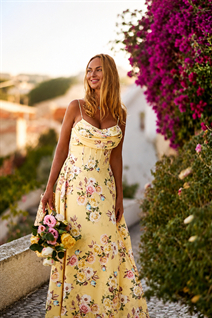
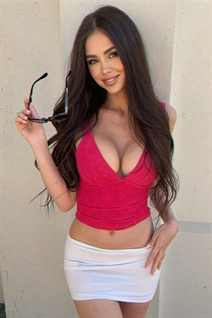
European Women Features: Appearance, Traits and Dating Culture
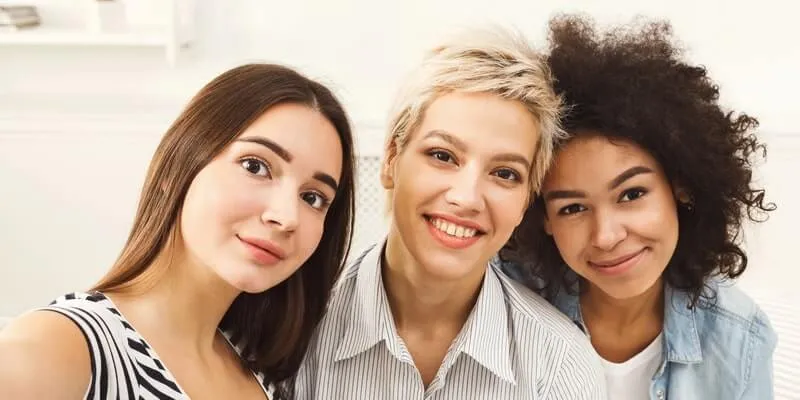
European women features cannot be reduced to one face, body type, or personality. Europe includes Nordic, Atlantic, Mediterranean, Central European, Balkan, Baltic, and Eastern European cultures, each shaped by different histories and everyday lifestyles. Even within one country, appearance and dating expectations can change between generations, cities, and individuals.
This guide answers common questions such as what do European women look like and how regional culture may influence communication, style, family values, and relationships. It compares European female features without presenting stereotypes as rules, then explains how to approach online dating with curiosity, clear intentions, and respect.
Meet European women and begin a genuine conversation online
Facial Signatures: What European Women's Features Often Reveal

Europe is a continent shaped by centuries of migration, climate shifts, and cultural exchange. As a result, the appearance of European women reflects remarkable diversity rather than a single standard. Facial features, hair color, and skin tone vary noticeably from one region to another.
Let's talk about female European facial features depending on the region.
- Northern Europe: Light, Angular, and Minimalist. In Northern Europe, including Scandinavia, Finland, and the Baltic region, women are often associated with lighter complexions and cool-toned features. Fair skin, blonde to brown hair, and light eyes appear in familiar regional imagery, though real populations are much more diverse. The country guide to Latvian women features shows how Baltic identity differs from Scandinavian context.
- Western Europe: Soft Balance and Subtle Variety. Western Europe (France, the United Kingdom, Belgium, the Netherlands, and western Germany) displays a wide range of appearances shaped by historical mixing. Skin tones, hair colors, and personal styles vary considerably. The guide to Dutch women features offers country-specific context without treating one familiar look as universal.
- Southern Europe: Warm Tones and Expressive Features. Southern Europe, including Italy, Spain, Portugal, Greece, and parts of southern France, is associated with warmer coloring and more pronounced facial traits. Women in these regions frequently have olive or golden skin tones that tan easily. Hair is dark brown or black, often thick and naturally wavy, while eye colors tend toward brown or hazel. Female European features from South are expressive and bold. Fuller lips, well-defined eyebrows, and strong nose shapes are common. Cheekbones may be prominent, and facial expressions are lively that gives the impression of warmth and vitality.
- Eastern Europe: Contrast and Definition. Eastern Europe (Poland, Ukraine, Romania, Bulgaria, and neighboring countries) presents a broad mix of coloring and facial structure. Skin tones range from fair to medium, while hair may be blonde, brown, chestnut, red, or black. High cheekbones and expressive eyes appear in many popular descriptions, but they are not universal. The dedicated guide to Eastern European women features explores this region in greater detail.
- Central Europe: Subtle Structure and Natural Tones. Austria, Switzerland, the Czech Republic, Hungary, and parts of Germany reflects transitional features between north, south, east, and west. Skin tones are usually light, hair colors commonly fall within the brown spectrum, and eye colors vary widely. European features in these countries are well-proportioned. Straight noses, moderate cheekbone definition, and balanced facial dimensions give their look a natural harmony.
Body & Silhouette: From Nordic Height to Mediterranean Curves
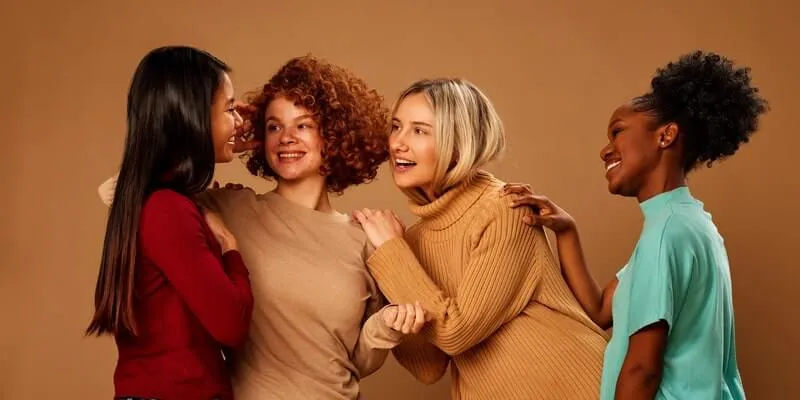
Body types and silhouettes reflect regional genetics, climate, and long-standing lifestyle patterns.
In Northern Europe, for example, in Scandinavia and parts of Northern Germany and the Baltics, women are among the tallest on the continent. Average female height in this region commonly falls around 168-172 cm, with an average weight range of 62-70 kg, depending on build and lifestyle. Body silhouettes here tend to emphasize length and vertical lines. Long legs, narrow hips, and relatively straight body proportions are common. Shoulders may be slightly broader, and curves are often subtle rather than pronounced.
Western European women, including those from France, the UK, the Netherlands, and Belgium, often display balanced and versatile body types. Average height typically ranges from 165-170 cm, while average weight tends to fall between 60-68 kg. Silhouettes here are diverse but often well-proportioned, with moderate curves and natural symmetry between shoulders, waist, and hips.
In Southern Europe women are generally shorter on average, with heights often around 160-165 cm. Average weight typically ranges from 58-65 kg, though body composition often emphasizes curves rather than mass. What do European women look like? Fuller hips, defined waists, and rounded thighs are typical for these ladies.
Eastern European women are recognized for a combination of femininity and strength in body structure. Average height is between 165-170 cm, with average weight around 60-68 kg. Silhouettes in this region include pronounced waistlines, fuller busts, and well-defined hips, combined with strong legs and confident posture.
Style, Grooming & Beauty Habits: How Appearance Reflects Culture
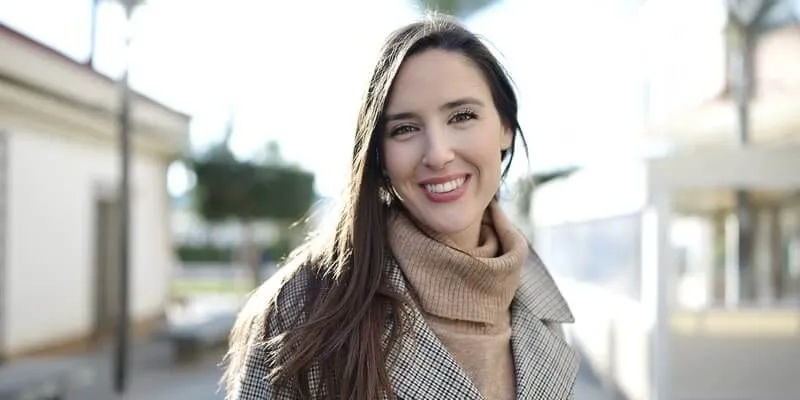
Talking about physical characteristics of these women, we should mention their style and beauty routine. Many European women now prefer their own comfort over exhausting and traumatic beauty procedures. At the same time, they follow effortless chic and elegance in their everyday life. Let's talk about beauty habits of European females from different regions.
- Northern Europe: Clean Aesthetics and Effortless Care. In Northern Europe grooming and style are guided by simplicity and functionality. Women often favor a 'less but better' philosophy. Skincare routines tend to be minimal but consistent, focusing on hydration, sun protection, and natural ingredients suited for cold climates and sensitive skin. Makeup is usually light or nearly invisible. Hair is worn naturally, whether straight, wavy, or tied back in practical styles. As for clothes, oversized coats, knitwear, structured trousers, and functional footwear are common.
- Western Europe: Polished Casual and Quiet Elegance. A beauty ideal for western women is about harmony, balance and comfort. Healthy skin, well-maintained hair, and makeup that enhances rather than brave beauty experiments and plastic surgeries. Fashion choices include timeless pieces. Tailored jackets, well-fitted jeans, scarves, leather shoes, and classic dresses are staples are common parts of female wardrobe.
- Southern Europe: Expressive Beauty and Sensual Style. In Italy, Spain, Portugal, and Greece beauty routines are more expressive and visible. Women invest time in hair care, fragrance, and makeup. Natural hair is frequently styled, whether worn loose and voluminous. Makeup is more noticeable than in the north. Living in the sunny climate implies using sunscreen regularly. Dresses, fitted silhouettes, flowing fabrics, and bold accessories are common for these countries. Fabrics are light and breezy, so southern ladies feel comfortable when it's getting hot.
- Eastern Europe: Precision, Glamour, and Attention to Detail. Europeans from the East often take a lot of efforts to show their attractiveness. Makeup is often more defined, featuring contouring, eyeliner, and polished finishes. Hair is frequently styled deliberately – smooth, voluminous, or carefully curled. What does a European woman look like? Her clothes emphasize femininity and structure. Dresses, heels, tailored coats, and statement details are popular.
- Central Europe: Practical Elegance and Consistency. Grooming habits here are steady and practical. Women maintain consistent routines rather than following fast-changing trends. Skincare and hair care are functional and reliable. Makeup tends to be moderate and situational while fashion style includes clean silhouettes, quality shoes, leather bags, and season-appropriate outfits.
Personality Traits & Cultural Values: Eastern vs Western Europe
What are European features apart from appearance? Communication and relationship expectations may be influenced by local norms, religion, education, and family experience. The table below offers a broad starting point; our comparison of Eastern vs Western women examines the dating differences more directly.
| The feature | Western Europe | Eastern Europe |
|---|---|---|
| Individual and collective aspect | Strong emphasis on individual freedom, personal choice, and self-expression | Focus on family, close relationships, and loyalty to inner circles |
| Communication style | Polite, indirect, and diplomatic | Direct, emotionally honest, sometimes blunt |
| Emotional expression | Controlled, reserved in public settings | Intense, expressive, and personal, once they start trusting you more |
| View of success | Self-development, career satisfaction, work-life balance | Stability, security, resilience, women can be career-oriented but they don't forget about their loved ones |
In Western Europe, friendships and romantic relationships develop gradually and respect personal independence. Emotional boundaries are clearly defined, and space is valued.
In Eastern Europe, relationships tend to form through shared experiences and emotional vulnerability. Bonds can be intense and long-lasting, with expectations of mutual support.
Regional Portraits: Northern Europe, Western Europe, Central & Eastern Europe
European beauty and behavior vary from one region to another. People from northern regions have different mindset and physical traits compared to women from central or southern parts of the continent. Here is a description of European traits in different regions.
| The region | Appearance | Personality |
|---|---|---|
| Northern Europe | They are associated with a natural, minimalist aesthetic. Clear skin, light eyes, and fair or ash-toned hair are common features, though diversity is growing. Natural beauty and authenticity are highly valued. | Communication in Northern Europe is often described as calm, direct, and respectful of personal space. A reserved first impression should not be mistaken for disinterest; trust and warmth tend to develop through consistent interaction. |
| Western Europe | You can notice their refined sense of style and attention to detail. Their appearance is about diversity, but fashion awareness is a common trait. They often combine classic elements with modern trends. Grooming, posture, and subtle self-expression are key parts of European beauty. | Women from Western Europe are characterized by their social confidence, adaptability, and expressive individuality. They are communicative, socially active, and comfortable navigating both professional and personal environments. Balance plays an important role in their behavior: they value independence but also enjoy collaboration, discussion, and cultural exchange. They are open to new ideas and self-development. |
| Central & Eastern Europe | Ladies have striking features and a more pronounced sense of femininity. Expressive eyes, defined facial features, and well-groomed hair are emphasized. Their style highlights elegance and confidence, with attention to makeup, clothing, and overall presentation. Beauty is frequently seen as a form of self-expression and personal pride. | Eastern Euro girls and women from central parts of the region are emotionally expressive, resilient, and deeply family-oriented. They have a strong sense of loyalty, passion, and commitment in relationships. They may appear serious or reserved initially, but they tend to form deep emotional bonds and value sincerity and respect. Strength, perseverance, and adaptability are traits shaped by historical and cultural experience. |
Together, these regional portraits reflect not rigid categories, but cultural tendencies shaped by history, climate, and social values.
Within the Baltic region, compare Lithuanian women features with the practical guide to dating a Latvian woman. These pages explain how language, identity, and local dating context differ from broad Northern European summaries.
Readers interested in Slavic cultures can continue with the Slavic women dating hub, which separates shared regional context from country-specific expectations.
Myths, Stereotypes & The Reality Behind Them
European women are described through simplified images. You can learn about their appearance and mentality from movies, media, and books. While these stereotypes may sound familiar, they rarely reflect real people. Below are some of the most common myths about women from Western and Eastern Europe.
Myth 1: Western European women are cold and emotionally distant
This stereotype comes from the fact that many Western European cultures value personal space, privacy, and emotional self-control in public. It's associated with coldness or lack of interest.
Reality: Western European women are not emotionally distant. They open up gradually and value emotional maturity over dramatic displays. Once trust is established, they are warm, supportive, and deeply engaged in relationships.
Myth 2: Western European women prioritize career over relationships
Europeans often value strong gender equality, career ambition, and independence.Reality: While many Western European women value professional growth, this does not mean they reject love, family, or emotional connection. Most look for a balance. Relationships are important, but they should be based on mutual respect and equality.
Myth 3: Eastern European women are submissive and dependent
This myth is shaped by outdated cultural narratives and social media portrayals.
Reality: Eastern European women are strong, resilient, and self-reliant. Historical challenges gave them a mindset that values independence and inner strength. Their femininity and care for relationships are not signs of submission, but emotional depth and personal choice.
Myth 4: Eastern European women are only focused on appearance
Because women from Eastern Europe are associated with polished looks and strong femininity, they are sometimes considered superficial.
Reality: Attention to appearance can be a form of self-respect and self-expression. It says nothing about a person's intelligence or priorities. Education, family, work, creativity, and personal growth may all matter alongside style.
Myth 5: Eastern European women expect men to 'save' them
This myth is about overromanticized or materialistic relationships. Some people think women from the East look for a partner who will be a 'sugar daddy' for them paying for all their needs.
Reality: Most Eastern European women seek partnership, not rescue. They value reliability, emotional strength, and respect, not financial dominance. Mutual effort and loyalty matter far more than traditional power dynamics.
The reality is that European women are unique. Cultural differences create communication styles, values, and expectations, but individuality always comes first. If you want to build a healthy relationship with these women, you need curiosity, openness, and respect.
Dating & Relationships: What to Know When Engaging Cross-Culture

Dating European women can be exciting and meaningful, but cross-cultural relationships require awareness and sensitivity. Europe is diverse, and expectations can vary noticeably between Western and Eastern regions. Understanding values, communication styles, and unspoken rules helps people build genuine connections and avoid common misunderstandings.
In Western Europe, dating begins casually and develops gradually. Women value equality, independence, and clear communication. Here is a dating etiquette for a relationship with a western lady:
- Respect personal space. Physical and emotional closeness evolves naturally, not immediately.
- Communicate openly. Honest conversation is preferred over guessing games or dramatic gestures.
- Equality matters. Decisions, expenses, and responsibilities are shared, there aren't specific gender roles in this region.
- Punctuality and planning. Being on time and respecting schedules is seen as a sign of attention.
In Eastern Europe, dating can feel more intentional and emotionally expressive. Women may value depth, loyalty, and seriousness in romantic connections. While being modern and independent, many still appreciate clear romantic effort.
When talking with women from Ukraine, Poland, Romania, or other parts of Eastern Europe, use cultural context as a conversation starter rather than a prediction about her personality. The profiles and guides for Ukrainian women provide a more focused next step for readers interested in Ukraine.
- Show initiative. Planning dates and being a leader are appreciated, especially in early stages.
- Demonstrate reliability. Keeping promises and being consistent are welcomed.
- Courtesy matters. Small gestures like compliments, attentiveness, and politeness are seen as signs of respect.
- Family values. Most of women from these countries are interested in long-term relationships even if they hide it at the beginning.
Avoid treating emotional openness as weakness; it is often a sign of trust. Do not confuse femininity or care with dependency. Be open and clarify your intentions. Before planning travel, a comfortable conversation through live video chat can help both people confirm interest and communication style.
Cross-cultural dating in Europe is not about memorizing rules, but about developing awareness. Expectations around paying for dates, initiative, personal space, and commitment can differ by culture and by person. Ask rather than assume: a short, honest conversation is more useful than applying a regional rule to an individual relationship.
Regardless of region, some principles are universally important when dating European women:
- Be yourself. Cultural curiosity is attractive, but pretending to be someone else makes genuine compatibility harder to judge.
- Listen more than you assume. Individual personality always matters more than national stereotypes.
- Respect boundaries. Emotional, physical, and personal limits should always be honored.
- Be culturally humble. Asking, learning, and adapting shows maturity.
- Learn her language. Of course, it doesn't mean you should speak fluently. But learning some compliments and usual expressions will show your respect to her culture.
Respecting Individuality: Why 'European Woman' Isn't a Monolith
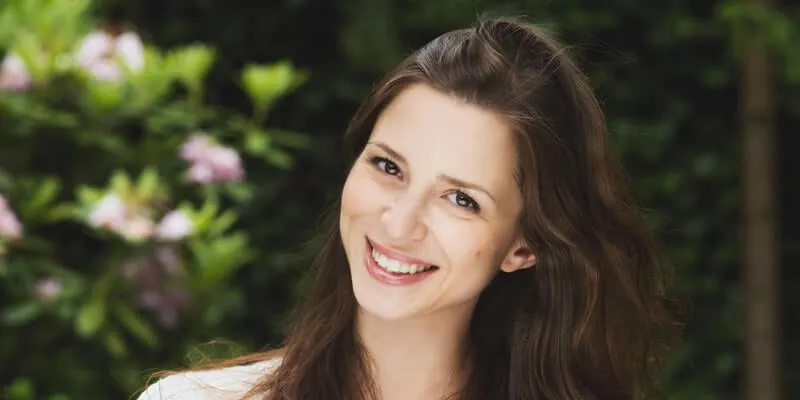
A European woman is not a single, clearly defined type. Don't forget about enormous range of personalities, lifestyles, values, and dreams. Europe is a mosaic of cultures, but even within the same country, city, or neighborhood, women can be radically different. Understanding this individuality is essential for building healthy and respectful relationships.
Every woman has her own set of interests and habits. One lady from Italy might spend her weekends hiking in the Alps and avoiding big social gatherings, while another may feel good in busy cafés, discussing art and politics for hours. A woman from Germany might be passionate about marathon training and strict time management, while her friend prefers spontaneous travel and long conversations. Their nationality does not define their character and habits.
Hobbies often reveal more about a person than cultural stereotypes do. For example, a woman from France may attend pottery classes and like countryside life rather than fashion or nightlife. A woman from Poland might dedicate her free time to volunteering at an animal shelter, while someone from the same city spends evenings creating electronic music. These differences shape daily routines, emotional needs, and expectations in relationships.
Conclusion: Celebrating the Rich Tapestry of European Femininity
Seeing women as individuals rather than symbols allows relationships to grow naturally. A 'European woman' is not a stereotype. She is a person with her own story, habits, passions, and boundaries.
Use these European women features as cultural orientation, not as a checklist. Start with a thoughtful message, learn about the individual behind the profile, and follow the practical steps in our online international dating guide as communication becomes more serious.
FAQ
What are the most common European women features?
European women features vary widely by region. Northern Europe is often associated with lighter coloring and taller builds, Southern Europe with warmer coloring and expressive styling, and Central and Eastern Europe with a broad mix of facial features, hair colors, and beauty traditions. Individual appearance always matters more than a regional pattern.
What do European women look like in different regions?
There is no single European look. Women in Scandinavia, the Mediterranean, Western Europe, the Baltics, and Eastern Europe may differ in height, complexion, hair, facial structure, and personal style. Migration and multicultural cities make every regional description a tendency rather than a rule.
Are Eastern and Western European women very different?
Some social expectations can differ. Western European dating often emphasizes independence and gradual commitment, while parts of Eastern Europe may place more visible emphasis on family involvement and intentional courtship. Personality, age, city, and life experience are usually more useful guides than geography alone.
How should I start dating a European woman online?
Begin with a complete profile and a personal message based on something she has shared. Ask open questions, respect her pace, and move from text to a video conversation when both people are comfortable. Clear intentions and consistent communication are more effective than assumptions about nationality.
Which European dating guides should I read next?
Use a broad international dating guide for the overall process, then choose a regional or country page that matches the person you want to meet. This helps you learn relevant cultural context without treating all European women as one group.
Explore European profiles and start with a respectful first message
 Start Live chat
 Send Message