Italian Women: Appearance, Style and Regional Differences

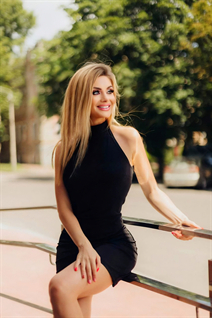
The features of Italian women cannot be reduced to olive skin, dark hair, dramatic gestures, or a particular body type. Italy contains strong regional identities, large cities, islands, rural communities, and increasingly diverse family backgrounds. Appearance and dating expectations change by place, generation, and individual life.
This guide explores Italian women features through regional appearance, communication, fashion, food culture, family boundaries, and practical dating advice. It separates useful cultural context from the clichés that often dominate descriptions of Italian women.
Explore the relationship side of Italian culture
Use the guide to dating in Italy for context, or explore the Italian dating page and check individual profiles.
Regional Diversity Across Italy

What do Italian women look like? The honest answer begins with geography. Alpine regions, the Po Valley, central cities, southern mainland areas, Sicily, and Sardinia have different histories and populations. Modern migration has added further variety.
| Region | Common visual associations | Important context |
|---|---|---|
| Northern Italy | Wide range from light to dark coloring and urban European style | Milan, Turin, Venice, and smaller northern communities differ |
| Central Italy | Varied complexions, hair colors, and strong city-specific fashion | Rome, Florence, and coastal areas have distinct social rhythms |
| Southern Italy | Often associated with darker hair, brown eyes, and warmer complexions | These traits are common descriptions, not universal rules |
| Sicily and Sardinia | Diverse island identities and many family backgrounds | The islands should not be treated as one appearance type |
Regional identity may influence accent, food, social routines, and the way a person describes home. A woman from Turin may have a different daily rhythm from someone raised in Naples, while a professional who moved to Bologna or Milan may combine habits from several parts of the country. These differences are more useful as conversation topics than as a system for predicting appearance.
City size also changes social life. In a large metropolitan area, work, commuting, and international friendships may shape dating habits. In a smaller town, established circles and family connections can be more visible. Neither environment tells you whether a woman is traditional or modern; it only provides context for her schedule, privacy, and preferred way of meeting someone.
Northern and Southern Italian Women: Useful Context
Northern Italian women are sometimes described through lighter coloring, taller average height, restrained fashion, and a faster professional rhythm. These associations are incomplete. Milan, Turin, Bologna, Venice, alpine communities, and smaller towns contain different populations and lifestyles, while migration within Italy means that family roots may be far from a woman's current city.
Southern Italian women are often associated with dark hair, brown eyes, warmer complexions, expressive communication, and close family networks. Again, the description represents familiar imagery rather than a fixed type. Naples, Bari, Calabria, Sicily, and Sardinia have their own histories and identities, and women from the south differ in appearance, education, career, beliefs, and relationship goals.
The north-versus-south contrast becomes harmful when it ranks one region as more elegant, traditional, passionate, or suitable for marriage. Regional background can suggest conversation topics, but it cannot identify a better partner. Ask where she grew up, where she lives now, and which parts of local culture remain important to her.
A typical Italian woman may therefore look northern, southern, central, islander, multicultural, or unlike any image promoted by travel and fashion media. The phrase is useful as a search topic only when the answer explains diversity instead of inventing one national template.
What Are Typical Italian Women's Facial Features?

Descriptions of Italian facial features often mention expressive eyes, defined brows, prominent noses, full or narrow lips, and strong cheekbones. Each of these traits appears in many countries and none defines an Italian woman. Hair can be blonde, brown, red, gray, or black; eyes may be blue, green, gray, hazel, or brown.
Italian women appearance also includes every height, complexion, and body type. Average measurements are not useful for evaluating an individual profile, and body shape should not be used as a proxy for health, femininity, or relationship compatibility.
Photography can also distort expectations. Lighting, makeup, camera angles, filters, and carefully selected profile pictures affect how anyone appears online. Look across several photos and read the profile instead of treating one image as a complete description. A natural video conversation gives a more realistic impression of facial expressions, voice, and presence.
Grooming is not the same as inherited appearance. Haircuts, eyebrow styling, skincare, and clothing can highlight particular features, but choices vary with age, profession, budget, and taste. This distinction matters because many online articles incorrectly present styling choices as fixed physical characteristics of Italian women.
The same caution applies to Italian physical characteristics. Face shape, height, hair texture, complexion, and the Italian body type discussed in search results all vary too widely to define one population standard. An average Italian woman is a statistical abstraction, while the woman in a profile is an individual with her own appearance and history.
| Feature | Common association | Real variation |
|---|---|---|
| Hair | Dark brown or black | Blonde, red, gray, and lighter brown also occur |
| Eyes | Brown or hazel | Blue, green, and gray appear across Italy |
| Complexion | Olive or warm | Fair, neutral, warm, and darker complexions occur |
| Face shape | Oval or angular | Round, long, heart-shaped, and mixed structures appear |
How Italian Beauty Ideals Changed
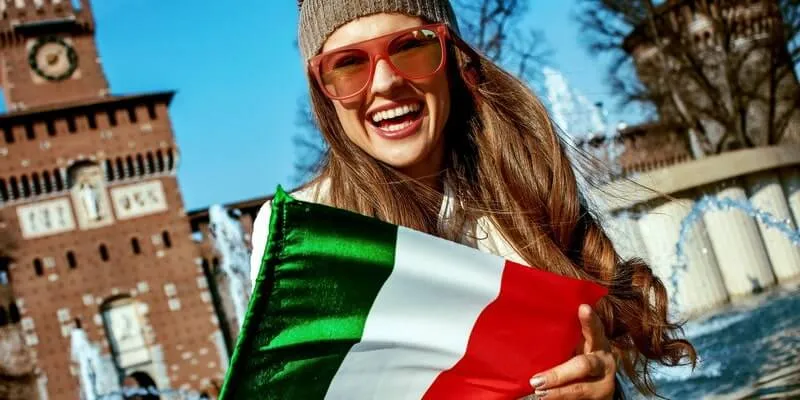
Renaissance paintings, twentieth-century cinema, runway fashion, television, and social media have promoted different ideals at different times. These images reveal art and commerce more than they reveal how every Italian woman looks or wants to look.
Contemporary Italy includes natural makeup, cosmetic treatments, body-positive perspectives, classic tailoring, streetwear, and many local styles. The useful lesson is not that one ideal replaced another, but that beauty standards keep changing while individual appearance remains diverse.
Italian Beauty Standards in Modern Life
Modern Italian beauty standards often balance polished presentation with the idea that style should appear personal rather than copied. Healthy-looking skin, well-maintained hair, expressive brows, coordinated clothing, and confidence appear frequently in media. None of these preferences is compulsory, and many Italian women reject parts of the beauty industry altogether.
Italian beauty is also shaped by age. Younger women may combine international makeup trends, streetwear, vintage pieces, and social-media aesthetics. Women in their thirties and forties may adapt style to work, parenting, travel, or changing priorities. Older Italian women are often visible in fashion wearing strong tailoring, natural gray hair, dramatic accessories, or understated classics.
Beauty routines can involve skincare, hair appointments, cosmetic procedures, exercise, or no formal routine at all. It is inaccurate to claim that Italian women avoid cosmetic treatment or remain attractive because of one diet. Personal resources, health, taste, and access matter more than nationality.
When complimenting an Italian woman, choose something she controls or intentionally presents: her outfit, smile, sense of color, photograph, or confidence. Avoid evaluating individual body parts or telling her that she matches a national fantasy. A thoughtful compliment creates conversation; a catalogue of Italian facial features can make her feel observed rather than understood.
Bella Figura and Personal Presentation
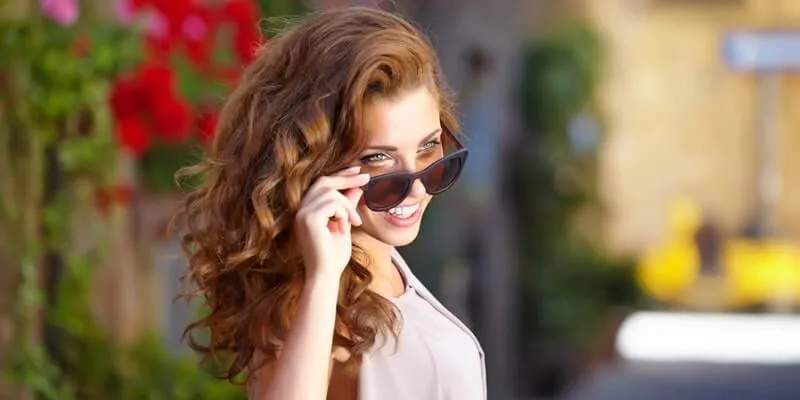
Bella figura refers broadly to making a good impression through presentation and behavior. It can include clothing, manners, confidence, and awareness of the occasion. It does not mean that every woman wears luxury brands or spends hours preparing.
A well-chosen coat, clean shoes, a fitted jacket, thoughtful accessories, or neat casual clothing may communicate attention without extravagance. Milan fashion, Roman elegance, beachwear, student style, and everyday neighborhood clothing all belong to modern Italy.
Food Culture Without Body Stereotypes
Food can be a social language in Italy: meals create time for family, friends, and conversation. Recipes and dining habits differ by region, household, schedule, health needs, and personal taste. An Italian woman may love cooking, rarely cook, follow a traditional diet, or prefer international food.
Avoid claims that pasta, olive oil, seafood, or wine automatically creates a particular body, skin condition, energy level, or reproductive health. Nutrition is complex, and a dating article should not turn meals into medical promises.
What Italian Women Wear Today

Italian style is often associated with tailoring, quality materials, leather goods, sunglasses, and confident accessories. Daily wardrobes are much broader: denim, sneakers, business clothing, dresses, athleisure, vintage pieces, and practical seasonal layers all appear.
Climate and city matter. Clothing in Milan winter differs from a summer evening in Sicily. Profession and transport matter too. The features of Italian women are not expressed through one dress code, and a stylish appearance does not prove a particular personality.
What do Italian girls wear? is a common search, but age, city, work, season, and personal taste matter more than one national wardrobe. Looking at the occasion provides a better answer than expecting every Italian woman to choose fitted dresses, heels, or designer accessories.
Timeless staples and practical wardrobes
Coats, jackets, denim, knitwear, dresses, trousers, leather shoes, sneakers, and simple accessories can all form part of an Italian wardrobe. The important pattern is often coordination and suitability for the occasion rather than a specific garment. A practical commuter and a fashion professional may both appear intentional in completely different ways.
Formal events and everyday clothing
A wedding, business dinner, family celebration, beach day, and neighborhood coffee call for different levels of formality. Italian women may enjoy dressing up without treating every day as a runway. Men dating in Italy should notice the setting and make a comparable effort instead of assuming that casual clothing is always sufficient.
Accessories, makeup, and individual expression
Jewelry, bags, glasses, scarves, fragrance, lipstick, or a distinctive haircut may become part of personal style. Other women prefer minimal accessories and no visible makeup. Both choices belong to modern Italian women appearance, and neither reveals whether someone is traditional, confident, romantic, or serious about relationships.
Italian Women Traits and Communication

Italian women traits are frequently described as expressive, socially confident, family-aware, and attentive to relationships. These are cultural tendencies rather than guarantees. Some women communicate energetically; others are private, quiet, or highly reserved.
Conversation and disagreement
Animated speech or gestures do not automatically mean anger. Pay attention to words, tone, and context. If disagreement appears, ask a calm question rather than labeling her as dramatic.
Confidence and boundaries
A woman may express preferences clearly and expect them to be respected. Confidence is not an invitation to argue, pursue after rejection, or make personal comments about her body.
Family involvement
Relatives may be important, but involvement varies. Do not assume she lives with family, wants children, cooks traditionally, or expects a large wedding. Ask how family fits into her actual life.
Sociability and community life
Cafes, evening walks, local events, friendship groups, and family gatherings can create an active social rhythm. Sociability does not mean constant availability or automatic romantic interest. Notice whether she specifically makes time for you instead of interpreting general friendliness as attraction.
Resilience and adaptability
Italian women may balance careers, study, family responsibilities, relocation, and changing economic conditions. Resilience is best understood through the individual's choices, not praised as an automatic national trait. Ask how she handles change and share how you respond to difficulty as well.
Cultural identity and local pride
Art, architecture, language, music, football, food, and local celebrations may form part of her identity. She may also feel critical of traditions or more connected with an international lifestyle. Genuine curiosity allows both pride and complexity rather than expecting a performance of Italian culture.
Culture, Family and Individual Choices

Italy combines Catholic history, secular modern life, strong local identities, migration, education, and changing family structures. Career, marriage, religion, household roles, and independence cannot be predicted from nationality.
The best approach is curiosity. Ask about the city where she grew up, the traditions she values, and the life she has chosen. Cultural interest becomes attractive when it helps you understand her rather than fit her into a ready-made image.
Age and generation
A university student, a woman building a career in her thirties, and a divorced woman dating later in life may have very different priorities. Some want frequent messages and spontaneous plans; others prefer an organized schedule. Expectations around marriage, children, relocation, and financial independence should be discussed directly rather than inferred from age.
Work, education and independence
Italian women work across every field, and many balance demanding careers with friendships and family responsibilities. Reliable planning can therefore be more appealing than constant attention. Respect her time, do not interpret a delayed reply as rejection, and avoid assuming that a serious relationship requires her to reduce her ambitions.
Language and cultural curiosity
Many women speak English or another language, but fluency varies. Learning a few Italian phrases can show effort, provided it does not become a performance. When a meaning is unclear, ask rather than making jokes about her accent. Mutual patience creates a better connection than expecting one person to carry every conversation in a second language.
Myths About Italian Women
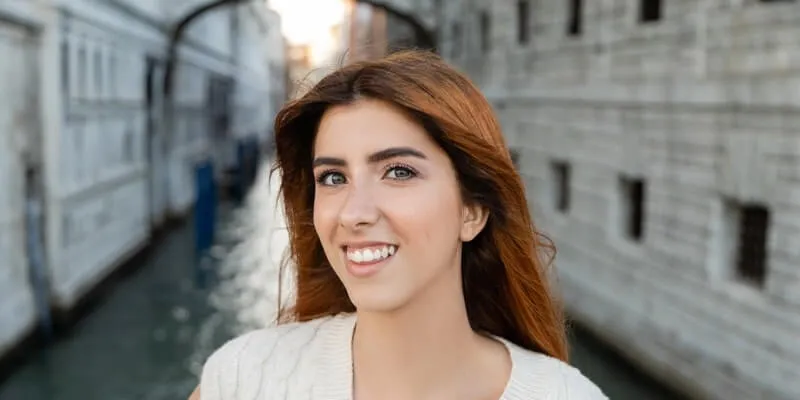
Every Italian woman has dark hair and olive skin
Italy includes many appearances. The familiar Mediterranean image represents part of the population, not every region or family.
Italian women are loud and dramatic
Expressive communication exists, but temperament is individual. Calm, introverted, formal, and highly private women are also Italian.
Italian women all cook and want traditional families
Cooking skill and family goals differ. A woman may want marriage and children, prioritize career, prefer a different partnership, or still be deciding.
Italian style is always glamorous
Presentation can matter, but daily life includes practical clothing, limited budgets, busy schedules, and many aesthetic preferences.
Readers comparing southern and eastern European dating directions can also explore Slavic brides, while keeping country, language, and individual expectations separate.
Dating Italian Women Online

When dating Italian women, start with the individual profile. Mention a real interest, place, book, profession, or activity she shared. Avoid opening with comments about curves, passion, cooking, or the idea of a "typical Italian beauty."
Use online dating to establish a consistent conversation. When mutual interest grows, live video chat can reveal tone and chemistry before either person discusses travel.
- Be clear about your relationship intentions.
- Respect boundaries and a direct no.
- Avoid comparing northern and southern women as better or worse.
- Discuss language, distance, schedules, and expenses openly.
Consistency matters more than intensity. A burst of compliments followed by several days of silence may feel less sincere than a steady exchange that respects both schedules. Share enough about your own life to make the conversation balanced: work, interests, ordinary routines, and what you hope to build with the right person.
Watch for reciprocity. A promising conversation includes questions from both sides, remembered details, willingness to clarify misunderstandings, and gradual movement toward voice or video. Chemistry matters, but so do reliability and the ability to discuss practical subjects without pressure.
If the relationship is international, establish identity and trust before discussing tickets, money, or relocation. Never send funds because of urgency in a new connection. A genuine partner should be comfortable with reasonable verification, patient planning, and decisions that protect both people.
Italian Dating Culture and Signs of Serious Interest
Italian dating culture includes local introductions, apps, friendship groups, nightlife, university communities, work connections, and international platforms. There is no single courtship script. Either person may initiate, suggest a place, or follow up, while expectations around exclusivity and paying differ by generation and individual preference.
Interest often becomes visible through consistency: she asks follow-up questions, remembers previous conversations, proposes a specific time to talk, and makes room for another meeting. Warm conversation and expressive friendliness can be genuine without meaning that a relationship is already serious. Look for reciprocal action over time.
When dating Italian women, discuss exclusivity rather than assuming it after an enjoyable date. Ask how she prefers to communicate and what kind of relationship she wants. One Italian woman may enjoy daily contact, while another protects work and personal time. Neither approach proves stronger feelings by itself.
Family introductions can be meaningful, but their timing varies. Meeting relatives early may reflect an active family life rather than an immediate marriage plan. Another woman may wait until the relationship is established. Ask what the introduction means to her and avoid performing a stereotype about impressing an Italian mother or father.
International relationships require practical compatibility. Before making promises, discuss language, careers, residence, travel costs, future visits, children, and family responsibilities. These subjects can develop gradually, but a connection that never moves beyond compliments and vague travel ideas is not yet a realistic relationship.
From a First Message to a Real Date
A useful first message is personal and easy to answer. Ask about something she selected for her profile and share a related detail about yourself. The goal is conversation, not proving how much you know about Italy.
For example, if her profile mentions architecture, ask which place in her city she would show a visitor and explain why you enjoy discovering cities on foot. If she likes cooking, ask about a dish connected with her region rather than assuming she spends every evening in the kitchen. Specific questions invite stories and avoid the repetitive compliments that many women receive.
A cafe, walk, gallery, market, or relaxed meal can work better than an elaborate performance. For local context, read where to meet women in Rome or where to meet women in Milan. Confirm plans and communicate early if anything changes.
After the date, say clearly whether you would like to meet again. Mutual effort, reliable communication, and practical compatibility are stronger indicators than national stereotypes about passion.
Do not rush exclusivity because a first meeting felt exciting. Discuss communication frequency, distance, future visits, and whether both people are dating with similar intentions. A healthy connection becomes clearer through repeated actions: keeping plans, listening carefully, apologizing when needed, and making room for two independent lives.
Explore Italian Dating and European Culture

This article owns informational intent around appearance, culture, and traits. Readers ready to browse profiles can continue to Italian women online.
For the current local market, read dating in Italy today. Men based in Italy who are considering cross-border relationships can use international dating for Italian men.
The online international dating guide covers profiles, messages, video, trust, travel, and the path toward a realistic relationship.
How Are Italian Women Different from Other Western European Women?
Comparisons can clarify cultural context when they avoid ranking nationalities. The patterns below are broad tendencies, not tests for identifying an Italian woman or predicting compatibility.
| Area | Italian context often discussed | What to verify individually |
|---|---|---|
| Communication | Expressive tone, gestures, and active conversation | Her actual directness, privacy, and conflict style |
| Presentation | Attention to occasion, coordination, and bella figura | Her budget, profession, routine, and personal taste |
| Social relationships | Visible family, friendship, and local community networks | How much involvement she wants in a partnership |
| Dating pace | Warm interaction can develop alongside practical caution | Exclusivity, communication needs, and long-term intent |
For broader regional context, compare this country-specific page with European women features. The useful goal is understanding cultural differences, not deciding that Italian or other Western European women are better partners.
FAQ
What are common features of Italian women?
The features of Italian women vary considerably by region and family background. Familiar descriptions include dark or light hair, varied complexions, expressive personal style, and confident communication, but no combination defines every Italian woman.
What do Italian women look like?
There is no single Italian appearance. Northern, central, southern, island, and multicultural communities include many skin tones, hair colors, facial structures, heights, and body types.
Are Italian women family-oriented?
Family relationships can be important in Italian culture, but each woman sets her own priorities and boundaries. Career, independence, marriage, children, and family involvement should be discussed rather than assumed.
What is dating an Italian woman like?
Dating may involve expressive conversation, social plans, food, style, and family context, but personality matters more than nationality. Clear intentions, punctual communication, and respect for boundaries remain essential.
How can I meet Italian women online?
Use a complete profile and write a personal message based on her interests. Build a consistent conversation, move to video when both people are comfortable, and discuss a public meeting only after mutual interest is clear.
Conclusion
The features of Italian women include regional diversity, changing fashion, varied communication styles, and individual relationship goals. Italy provides cultural context, but compatibility can only be learned through respectful conversation and mutual effort.
Let the individual profile guide your first message
Ask about something she chose to share. Do not infer family expectations, location, or interest in moving abroad from Italian nationality.

 Start Live chat
 Send Message