Dating Abbreviations: 30+ Acronyms to Know Before You Swipe

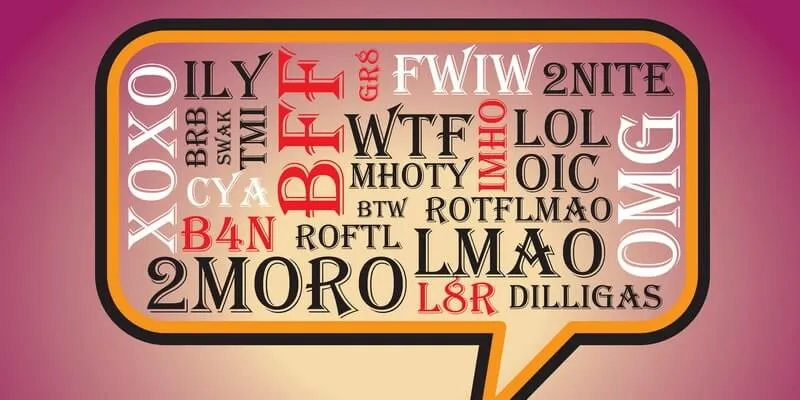
Dating abbreviations compress relationship intentions, identity, lifestyle, and texting habits into a few letters. LTR usually means long-term relationship, FWB means friends with benefits, ENM means ethical non-monogamy, and DTR means define the relationship. Knowing the common terms helps you screen profiles, but an acronym never replaces a direct conversation.
Meanings can vary between apps, countries, generations, and communities. Some terms in older personal ads are now uncommon, while new labels appear quickly. Treat this page as a translation guide, then ask the person what a term means to them before making assumptions.
Dating Acronyms at a Glance
| Acronym | Common meaning | What to clarify |
|---|---|---|
| LTR | Long-term relationship | Commitment, exclusivity, and future plans |
| STR | Short-term relationship | Expected duration and emotional boundaries |
| DTR | Define the relationship | Current status and what each person wants |
| FWB | Friends with benefits | Friendship, intimacy, exclusivity, and contact |
| NSA | No strings attached | Boundaries and expectations after meeting |
| ONS | One-night stand | Consent, safety, and no assumed continuation |
| ENM | Ethical non-monogamy | Disclosure, agreements, and existing partners |
| LDR | Long-distance relationship | Time zones, visits, costs, and future location |
| IRL | In real life | When and how to move offline safely |
| NMNK | Never married, no kids | Confirm because usage is not universal |
Why Dating Profiles Use Abbreviations
A profile has limited space, so people use acronyms to communicate a preference quickly. A term can save both people time when the meaning is shared. Someone seeking an LTR can recognize that a profile marked ONS or NSA probably serves a different intention. Someone practicing ENM can disclose that structure before a match assumes exclusivity.
The limitation is that short labels remove nuance. Two people may both select LTR but imagine different futures. One may want marriage and children, while the other wants a committed partnership without either. Use acronyms as conversation starters, not contracts.
Relationship Intention Abbreviations

LTR: long-term relationship
LTR usually indicates interest in a lasting, committed relationship. It does not automatically mean marriage, monogamy, cohabitation, or children. Ask what a serious relationship looks like to that person and whether their timeline and life plans fit yours.
STR: short-term relationship
STR generally means a connection that is not expected to become long term. It may describe casual dating, a temporary stay in a city, or openness to companionship without future planning. The boundaries still need to be mutual.
DTR: define the relationship
DTR describes a conversation about status and expectations. It may clarify whether you are seeing other people, becoming exclusive, using partner labels, or continuing casually. There is no universal day for this conversation; have it when ambiguity begins to affect decisions.
LDR: long-distance relationship
LDR means the partners live far apart. A profile mentioning LDR may signal openness to international dating. Discuss communication frequency, video calls, travel budgets, visits, and whether the distance could eventually close.
NMNK: never married, no kids
NMNK appears in some profiles and personal ads, but it is not understood everywhere. It describes history rather than future intent. It does not tell you whether someone wants marriage or children later, so ask rather than extrapolating.
Casual and Non-Monogamous Dating Acronyms

FWB: friends with benefits
FWB usually combines friendship with sexual intimacy without an assumed committed partnership. The letters do not answer whether either person dates others, how often they communicate, or what happens if feelings change. Those boundaries need an explicit discussion.
NSA: no strings attached
NSA generally signals a casual physical connection without an expectation of commitment. It does not mean no communication, no consent, or no responsibility. Anyone using the label should still respect health, privacy, and boundaries.
ONS and DTF
ONS means one-night stand. DTF is an explicit slang abbreviation indicating willingness to have sex. Neither is compatible with every user or platform. Receiving an unsolicited explicit message is different from seeing a consensually stated preference in a profile; context and conduct matter.
ENM and CNM
ENM means ethical non-monogamy, while CNM means consensual non-monogamy. Both describe arrangements in which the people involved know that exclusivity is not expected. Cheating is not ENM because the missing partner has not agreed. If a match has an existing partner, ask what agreements, availability, and boundaries apply.
Poly or polyam
Poly and polyam are shortened forms of polyamorous. Polyamory may involve multiple consensual romantic relationships, not simply casual sex. Do not assume every ENM person practices polyamory or that every polyamorous relationship uses the same structure.
Browse profiles and compare relationship intentions before starting a chat
Profile, Appearance, and Lifestyle Shortcuts
GSOH: good sense of humor
GSOH is common in older personal ads and some profiles. It expresses a preference but reveals little by itself. Humor can be warm, dry, playful, or sarcastic, so conversation tells you more than the acronym.
HWP: height-weight proportionate
HWP is an appearance-based label that some people use to describe themselves or a preference. Its meaning is subjective and can sound judgmental. Current, accurate photographs are more useful than trying to decode someone through a body category.
BBW and BHM
BBW usually means big beautiful woman; BHM means big handsome man. These may be self-descriptions or search preferences. Use the labels respectfully and do not assume body size reveals personality, health, sexual availability, or relationship goals.
DINK: dual income, no kids
DINK most often describes a couple with two incomes and no children. In dating, someone may use it to describe a preferred future lifestyle. Ask whether "no kids" means currently child-free or a long-term decision.
420 friendly
This is not an acronym, but it often appears beside them. It generally signals acceptance of cannabis use. Laws and personal boundaries differ, so clarify frequency and lifestyle compatibility instead of assuming what "friendly" means.
Identity and Orientation Terms in Dating Profiles

Identity labels describe the person, not automatic preferences or consent. Use the language and pronouns someone uses for themselves. Gender identity, gender expression, and sexual orientation are different concepts.
- Cis is short for cisgender, meaning a person's gender identity aligns with the sex assigned at birth.
- Trans is short for transgender, an adjective for a person whose gender identity differs from the sex assigned at birth.
- Nonbinary describes identities outside an exclusively man-or-woman binary. Some people write enby; abbreviations can be ambiguous.
- Bi or bi+ refers to bisexual identities and attraction to more than one gender.
- Pan is short for pansexual. A person may experience attraction regardless of gender, but definitions remain personal.
- Ace commonly refers to the asexual spectrum. It does not automatically define romantic attraction, behavior, or willingness to date.
- Aro commonly refers to the aromantic spectrum. Aromantic and asexual are not interchangeable.
Some older profile abbreviations are now considered imprecise or disrespectful. Do not apply a label to another person because of their appearance, clothing, or medical history. When relevant, ask how they describe themselves and follow their wording.
Messaging Abbreviations You May See
Not every abbreviation is about dating status. Messages often include general internet shorthand:
- DM: direct message.
- IRL: in real life, often used when discussing an offline meeting.
- IMO or IMHO: in my opinion or in my humble opinion.
- TBH: to be honest.
- BTW: by the way.
- IDK: I do not know.
- BRB: be right back.
- ILY: I love you; context matters, especially early in an online connection.
Shorthand can make a fast exchange easier, but excessive abbreviations may create confusion when people have different first languages or communication styles. In international dating, plain wording often prevents unnecessary misunderstandings.
How to Decode a Profile Without Guessing

Read the whole profile. "LTR, open to LDR" suggests a serious goal and willingness to consider distance, while "ENM, partnered" signals an existing consensual relationship structure. Even then, the combination is only a starting point.
Ask one neutral question: "You mention LTR. What would a long-term relationship ideally look like for you?" or "I saw ENM in your profile. What agreements and availability should a new person understand?" A clear answer is more useful than an online definition because it connects the label to that person's life.
Do not interrogate someone about every acronym before exchanging basic information. Start with the terms that affect compatibility. If the conversation develops, move from dating chat to video dating so tone and chemistry are easier to understand.
When an Acronym Is Not the Red Flag

LTR is not automatically a green flag, and FWB, ENM, or NSA is not automatically a red flag. A label can reveal that your intentions differ, which is useful information. The actual warning signs are dishonesty, pressure, contempt, manipulation, refusal to respect a no, and inconsistency between the profile and behavior.
Be cautious when someone claims immediate love, pressures you to leave the platform, refuses every reasonable video call, or creates an urgent need for money. Sexual shorthand does not excuse unsolicited explicit content. ENM does not excuse hiding an existing partner. LDR does not require financial support before you have met.
If something feels unclear, consult the fuller guide to dating chat red flags and learn how to verify a dating profile. Evaluate behavior across time instead of assigning moral value to a few letters.
Dating Abbreviations That Depend on Context
Some combinations have multiple meanings outside dating. NSA may also refer to an organization; NB can mean nonbinary, "nota bene," or something else; LD can mean long distance or another phrase. Platform-specific communities may develop their own shorthand. Capitalization and surrounding text help, but asking is safer.
Be skeptical of lists that present every obscure acronym as universally recognized. If neither you nor your match understands a term, it is not improving communication. Write the full phrase once or replace it with plain language.
How to Use Dating Acronyms in Your Own Profile
Use only abbreviations that communicate something important and that your likely audience will understand. Writing "Looking for an LTR and open to an LDR" can be useful when the rest of your profile explains what commitment and distance mean in practice. A line made entirely of acronyms may save characters but gives potential matches little sense of your personality.
Spell out a less familiar term the first time you use it. If you practice ethical non-monogamy, describe your current relationship status and the kind of connection available instead of relying on ENM alone. If you do not want children, distinguish between having no children now and being intentionally child-free. Precision reduces matches that were based on incompatible assumptions.
Do not use body labels, identity terms, or relationship structures as jokes. Avoid presenting preferences as insults toward people outside them. A useful profile combines clear intentions with a few human details: how you spend your time, what you value, and what a first conversation could explore. Acronyms should support that introduction, not replace it.
Frequently Asked Questions
What does LTR mean in dating?
LTR means long-term relationship. In a profile, it usually signals that someone hopes to build a committed relationship, but you should still ask what commitment, exclusivity, and a shared future mean to that person.
What does DTR mean in dating?
DTR means define the relationship. A DTR conversation clarifies whether two people are dating casually, exclusive, partners, or still deciding. It is a conversation, not a fixed deadline.
What do FWB and NSA mean?
FWB means friends with benefits, while NSA means no strings attached. Both usually indicate a casual connection, but boundaries, exclusivity, communication, and consent still need to be discussed directly.
What does ENM mean on a dating profile?
ENM means ethical non-monogamy: consensual relationships in which everyone involved knows that exclusivity is not expected. The word ethical implies disclosure and agreement; secrecy or cheating is not ENM.
What does NMNK mean in dating?
NMNK usually means never married, no kids. It is less universal than LTR or FWB, so confirm the meaning if the rest of the profile does not make it clear.
Are dating abbreviations red flags?
An abbreviation is not automatically a red flag. It may reveal an intention that does not match yours. The warning signs are deceptive behavior, pressure, financial requests, boundary violations, or unwillingness to explain expectations.
What should I do if I do not understand an acronym in a profile?
Ask politely instead of guessing. Acronyms can differ by platform, country, age group, and community. A short question such as "What does that abbreviation mean for you?" also opens a useful conversation about expectations.
Final Thoughts
Dating acronyms help you scan a profile, but compatibility cannot be abbreviated. Translate the term, check whether the stated intention fits yours, and confirm its personal meaning through conversation. Clear words, respectful questions, and consistent behavior remain more reliable than any combination of letters.
Explore profiles, compare intentions, and begin a clear conversation
 Start Live chat
 Send Message