How to Find a Serious Relationship After 50

Finding a serious relationship after 50 is less about meeting the largest number of people and more about identifying one person whose behavior, values, and practical plans are compatible with yours. Attraction begins a connection, but reliability, emotional availability, family context, location, money, health, intimacy, and shared direction determine whether it can last.
Life after 50 is rarely empty space. You may have adult children, an established home, a demanding career, retirement plans, a divorce, the loss of a spouse, or responsibilities to aging relatives. A serious partner does not simply enter that structure. Both people decide how their lives can change without one person doing all the adapting.
This guide explains how to assess your own readiness, search in places where intentions are visible, recognize reciprocal effort, discuss exclusivity, and move from online communication toward a relationship grounded in real life.
To find a serious relationship after 50:
- define the relationship and lifestyle you can genuinely offer;
- meet people through channels where goals and availability are visible;
- look for reciprocal effort instead of relying on early intensity;
- move from messages to video and safe in-person meetings;
- discuss exclusivity and practical compatibility before major commitments.
What Does a Serious Relationship Mean After 50?
A serious relationship is not defined only by marriage, frequency of messages, or how quickly two people say they are in love. It means both partners have agreed on the nature of the connection and are gradually organizing parts of their lives around it.
For one couple, seriousness may lead to marriage and a shared home. Another couple may remain exclusive while keeping separate homes. International partners may spend months building communication and arranging visits before relocation becomes realistic. The form can vary, but mutual responsibility cannot.
Serious relationships usually include:
- clear and compatible intentions;
- consistent communication rather than attention only when convenient;
- respect for boundaries, privacy, and independent lives;
- willingness to address conflict instead of disappearing;
- practical effort toward meetings and shared time;
- honest conversations about future decisions.
If you need a broader definition independent of age, read what a serious relationship means. This article focuses specifically on finding and evaluating one after 50.
Make Sure You Are Ready, Not Simply Tired of Being Alone
Loneliness can motivate useful action, but it can also make immediate attention feel like compatibility. Before searching, ask whether you can tolerate the uncertainty of getting to know someone without demanding a fast guarantee.
Readiness does not require perfect healing or complete confidence. It does mean you can talk about a previous relationship without making a new person responsible for repairing it. You should be able to hear no, set your own boundaries, and change your opinion when evidence contradicts attraction.
Signs that you are ready include:
- you want a partner, not a replacement for an ex or late spouse;
- you can make regular time for communication and meetings;
- you are willing to describe your present life honestly;
- you can discuss important needs without issuing demands;
- you are open to compromise while protecting genuine non-negotiables.
Someone recently divorced may need a different route from someone dating after bereavement. Use dating after divorce at 50 or the guide to dating after losing a spouse when those experiences are central.
Define Relationship Goals Without Building an Impossible Checklist
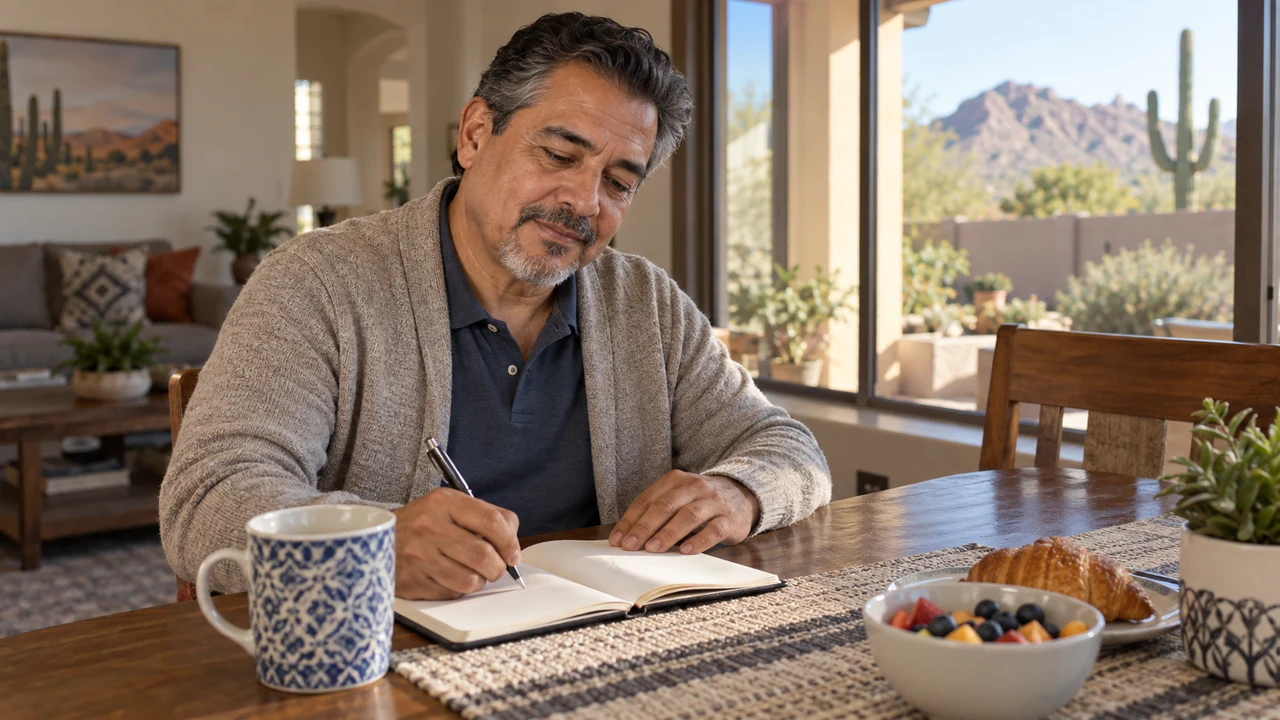
A useful search begins with three categories: needs, preferences, and details you can discover only through experience. Confusing these categories eliminates compatible people or keeps you attached to an unsuitable match because attraction is strong.
Needs are conditions without which the relationship cannot work. Examples may include honesty, exclusivity, emotional availability, compatible location plans, or respect for family responsibilities. Preferences are qualities you value but can negotiate, such as age range, hobbies, height, city size, or a particular travel style.
The third category includes things no profile can prove: how someone responds to disagreement, whether silence feels comfortable, how both people make decisions, and whether affection remains consistent outside romantic moments.
Keep the list short. Five genuine needs are more useful than thirty specifications. A serious relationship requires discernment, not ordering a person to exact dimensions.
Where to Find Love and a Serious Relationship After 50
Look for environments where people can reveal character over time and where relationship intentions are reasonably visible. Friends, volunteering, adult education, cultural events, travel communities, faith groups, and recurring interest-based activities can create natural introductions.
Online dating is useful because it expands the search beyond an existing circle and allows early comparison of age, location, lifestyle, and relationship goals. This can be especially important for adults in smaller communities, men and women with specialized interests, or people open to an international relationship.
The platform is only the introduction. A serious connection still needs real conversation, video, safe meetings, and practical planning. Browse current senior dating profiles when you are ready to apply the criteria in this guide. Men who want a broader strategy can also use dating after 50 for men.
Can Online Dating Help You Find a Serious Relationship After 50?
Online dating can make a serious search more efficient because profiles provide early information about age, location, interests, and relationship goals. It is especially useful when your local social circle is small or you are open to meeting someone in another city or country.
No dating site can verify emotional compatibility from a profile or guarantee lasting love. Use the platform to identify plausible matches, then test the connection through consistent conversation, video, and safe meetings. Useful services should offer detailed profiles, communication tools, support, and a practical way to report suspicious behavior.
The best dating site for a serious relationship after 50 is therefore one that fits your geography and helps you move carefully from discovery to real interaction. LadaDate's senior dating catalog provides profiles and communication options, while the decisions about trust, exclusivity, and commitment remain with both people.
Use an Honest Profile to Attract Compatible People
A profile should show the life you are inviting someone to join. Use recent photographs and describe your present routines, values, interests, location, and relationship goal. Mention travel or relocation only when you can realistically support it.
Avoid presenting yourself as endlessly flexible to attract more responses. If family keeps you near one city, say so. If you want marriage, do not describe yourself as open to anything. If you prefer separate homes, hiding that preference until attachment develops creates avoidable conflict.
Do not lead with demands, financial success, sexual expectations, or complaints about former partners. A positive profile is not dishonest; it focuses on what you can build rather than on everyone you want to exclude. See online dating profile tips for men over 50 for photographs, bio examples, and privacy guidance.
How Men Over 50 Can Look for a Serious Partner
Men over 50 often benefit from taking clear initiative without trying to control the pace. Send a specific first message, suggest video when communication becomes consistent, and propose a realistic meeting rather than allowing months of vague contact to replace progress.
Emotional availability is as important as practical stability. A career, home, or retirement plan may show responsibility, but a serious partner also needs to know that you can listen, express affection, discuss disagreement, and make room for her existing life. Avoid treating income or constant problem-solving as substitutes for emotional presence.
Watch for mutual effort. You should not carry every conversation or plan, but neither should you wait for the woman to prove interest while you remain passive. The broader dating guide for men over 50 covers profile presentation, first messages, family, safety, and first dates.
Look for Reciprocal Effort, Not Constant Intensity
Early intensity can feel serious because messages arrive all day and personal stories appear quickly. Yet intensity is not the same as dependability. A suitable partner may communicate more calmly while showing consistent interest across weeks.
Reciprocal effort means both people:
- initiate conversations instead of leaving all contact to one person;
- ask questions and remember important answers;
- make time for calls and explain genuine scheduling changes;
- respect a slower pace without punishing or withdrawing;
- participate in planning a meeting;
- show curiosity about everyday life, not only romance.
You do not need to count messages or demand perfectly equal behavior. Look at the direction of the relationship. Are both people gradually making the connection more real, or is one person supplying all attention, plans, and emotional labor?
Ask Questions That Reveal Everyday Compatibility
Good questions sound like conversation, not screening. Begin with routines and preferences, then move toward subjects that affect a shared future as trust grows.
- What does a satisfying ordinary week look like for you?
- How much time do you like to spend together and independently?
- What role do family and close friends play in your life?
- How do you usually address disagreement?
- Would you consider relocating or dividing time between two places?
- What does commitment mean to you now?
- Which future plans are already fixed, and which could change?
Listen for specificity and consistency rather than a perfect answer. Someone may need time to consider relocation or marriage. Uncertainty is not automatically avoidance, but changing stories and refusal to discuss every practical issue deserve attention.
Move From Messages to Video and Real Interaction

Messaging creates a controlled version of communication. Video adds voice, timing, facial expression, and spontaneous response. It does not guarantee honesty, but it makes it easier to assess whether conversation feels natural and whether the person's presentation remains consistent.
Use several calls rather than treating one performance as a final test. Talk at different times and about ordinary subjects as well as romantic hopes. Notice whether both people listen, tolerate minor misunderstandings, and remain respectful when the conversation is less exciting.
For a local match, suggest a public meeting once communication is consistent and mutual interest is clear. For an international match, use video before booking travel and discuss the visit in detail. The guide to video dating for men over 50 covers preparation and safe progression; when the connection is ready to move offline, follow the practical steps for traveling to meet an online partner after 50.
How to Tell Whether Someone Wants a Serious Relationship
When you are evaluating one particular connection, use the focused guide on how to know if a woman is serious about you after 50 to compare communication, reciprocity, real-life inclusion, boundaries, and future plans.
Serious intention becomes visible through a pattern rather than one declaration. Someone can sincerely want commitment and still move carefully. Focus on whether words, availability, and decisions support each other.
Promising signs include:
- their identity, relationship status, and daily circumstances remain consistent;
- they make reliable time for you without demanding constant access;
- they are willing to use video and plan a safe meeting;
- they ask how your family, location, and plans affect a relationship;
- they can discuss concerns without threats or disappearance;
- future plans gradually become specific and reciprocal.
Be cautious when someone declares love immediately, pressures you to become exclusive before basic verification, repeatedly avoids video, keeps major facts secret, or introduces financial emergencies. Compare patterns using dating over 50 red flags and green flags.
Discuss Exclusivity Instead of Assuming It
Frequent contact, intimacy, or a successful trip does not automatically define a relationship. When both people are investing regularly and ambiguity could cause harm, ask directly whether you are dating exclusively and what that means.
A useful conversation covers:
- whether either person is still communicating romantically with others;
- what level of contact both expect;
- how distance and travel will be handled;
- whether exclusivity is a step toward marriage, cohabitation, or another form of commitment;
- which decisions still require more time and real-world experience.
Do not use exclusivity as a substitute for trust. It is an agreement that creates clearer responsibility, not proof that every compatibility question has been answered.
Evaluate Compatibility in the Parts of Life That Matter After 50
| Area | What to understand | Why it matters |
|---|---|---|
| Location | Relocation, separate homes, or time divided between places | A serious relationship needs realistic access to shared time. |
| Family | Adult children, grandchildren, caregiving, and boundaries | Family responsibilities affect time and major decisions. |
| Finances | Travel budgets, independence, retirement, and shared expenses | Unspoken assumptions can create pressure or vulnerability. |
| Health | Relevant limitations, support needs, and lifestyle | Honesty helps both partners plan without reducing anyone to a diagnosis. |
| Intimacy | Affection, consent, sexual health, and exclusivity | Comfort and expectations should be mutual, not assumed. |
| Daily life | Social habits, travel, work, retirement, and personal space | Long-term satisfaction is built mostly in ordinary routines. |
Include Adult Children Without Giving Them Control
Adult children may worry about safety, inheritance, grief, or family change. Hear legitimate concerns, especially if they notice inconsistency or pressure that you have overlooked. At the same time, a healthy adult relationship cannot require family approval at every stage.
Do not introduce a new partner after only a few calls or use children as investigators. Wait until the relationship has stability and both partners agree that an introduction makes sense. Protect financial and personal privacy on both sides.
A serious partner should respect your family bonds without trying to control them. You should offer the same respect to her relationships and responsibilities.
Talk About Money Without Turning Romance Into a Transaction
Money becomes relevant when couples plan travel, regular visits, living arrangements, or marriage. Begin with concrete shared decisions rather than demanding a complete financial disclosure early in dating.
Keep accounts and identity documents private while the relationship is new. Never send money to solve an online emergency, invest through a romantic contact, or use expensive gifts to secure commitment. For international travel, agree in advance who pays for flights, accommodation, meals, and local transport.
As commitment grows, discuss debt, retirement expectations, property, and financial independence honestly. Legal and tax decisions should be reviewed with qualified professionals rather than solved through romantic promises.
Build a Future Plan From Real Experience
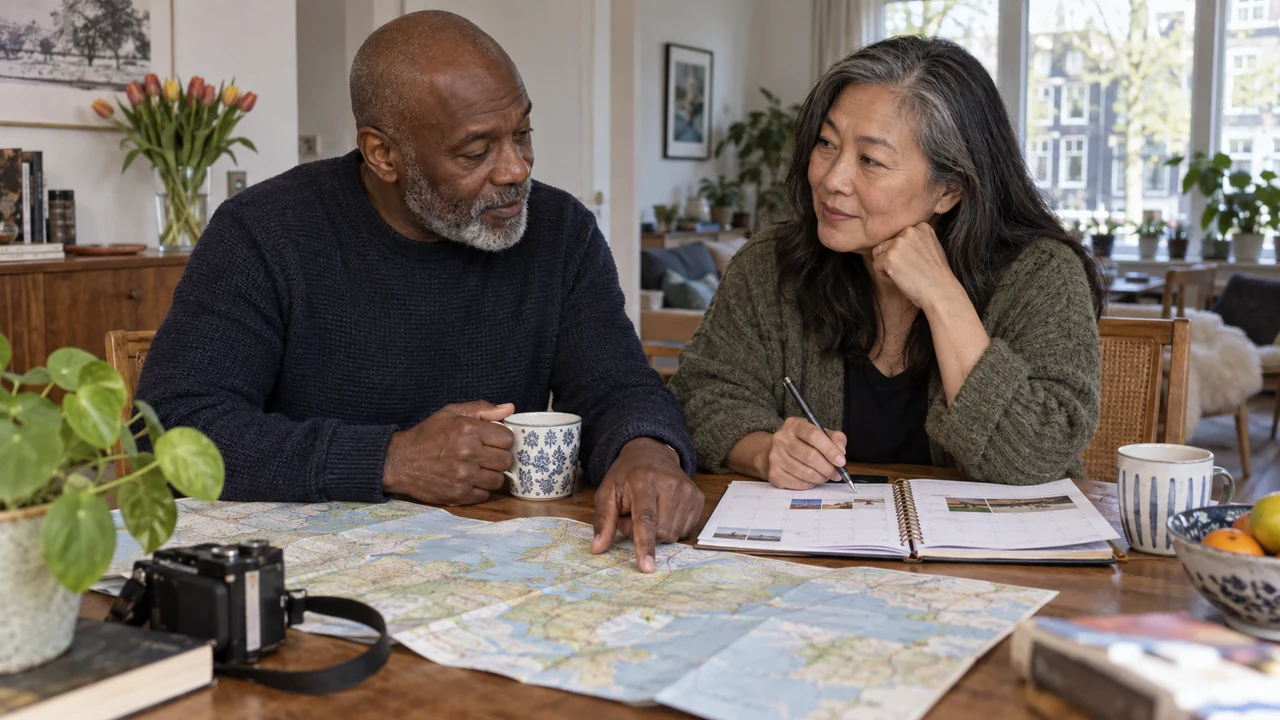
Future planning should become more specific as the relationship gains real-world evidence. Early hopes can be broad. After several calls and meetings, discuss the next visit. After repeated time together, compare location, family, finances, and living arrangements.
A strong plan contains reciprocal effort. One person should not always travel, pay, wait, relocate, or sacrifice family time. Equality does not require identical contributions, but both partners should understand what each is giving and why the arrangement feels fair.
Plans can change. Health, family, work, or immigration realities may require adjustment. The important signal is whether both people solve problems together instead of allowing obstacles to remain permanently vague.
Can an International Relationship After 50 Become Serious?
Yes, but it needs a path beyond messages. International couples must manage time zones, language differences, travel costs, family expectations, and eventually the question of where they could live.
Do not choose a partner based on national stereotypes or promises that women from one region are automatically more loyal, traditional, or compatible. Learn about the individual and verify shared goals through sustained communication and visits.
Use international dating over 50 to prepare for cultural and geographic differences, and long-distance dating after 50 for communication schedules, travel, and relocation planning.
A Practical Progression Toward a Serious Relationship
- Clarify your goal. Know what commitment and everyday partnership mean in your current life.
- Meet intentionally. Use suitable offline settings and profiles with visible relationship goals.
- Observe reciprocity. Let repeated effort carry more weight than intense declarations.
- Use video. Add spontaneous communication before major emotional or travel commitments.
- Meet safely. Compare online impressions with real behavior in public settings.
- Define exclusivity. Discuss the relationship rather than relying on assumptions.
- Test practical compatibility. Address family, location, finances, health, intimacy, and future plans.
- Build shared experience. Make commitment follow reality, not replace it.
Frequently Asked Questions
Can you find a serious relationship after 50?
Yes. Serious relationships remain realistic when both partners are emotionally available, communicate consistently, and have compatible plans for everyday life and the future.
Where can singles over 50 find a serious relationship?
Relationships can begin through friends, recurring activities, volunteering, community events, travel, or online dating. Choose channels that make intentions visible and allow behavior to be observed over time.
How do you know someone wants a serious relationship after 50?
Look for consistent contact, reciprocal effort, respect for boundaries, willingness to use video and meet, and gradual participation in practical future planning.
How soon should you discuss exclusivity after 50?
Discuss it when contact has become regular and assumptions could cause confusion. Define what exclusivity means rather than relying on an arbitrary number of dates.
What should couples discuss before committing after 50?
Discuss relationship goals, family, location, health, finances, travel, intimacy, retirement, and living arrangements. The conversations can happen gradually, but major incompatibilities should not stay hidden.
Can a long-distance relationship after 50 become serious?
Yes, when it progresses from messaging to video, safe visits, reciprocal travel effort, and a realistic plan for spending more time in the same place.
How long does it take to find a serious relationship after 50?
There is no reliable deadline. Readiness, search range, compatibility, and the transition from online contact to real meetings all affect timing. Consistent progress matters more than forcing commitment within a fixed number of dates.
What is the best dating site for a serious relationship after 50?
Choose a site with informative profiles, communication and video tools, support, moderation, and a suitable geographic audience. A platform should help you evaluate compatibility, not promise guaranteed love.
Final Thoughts
To find a serious relationship after 50, replace urgency with evidence. Choose people whose goals are compatible, watch whether effort moves in both directions, and let video and real meetings test what messages suggest.
Commitment should become clearer as two lives become more connected. The right relationship will not require instant certainty, financial rescue, or one-sided sacrifice. It will create enough honesty and stability for both people to discuss difficult realities while continuing to choose each other.

 Start Live chat
 Send Message