Online Dating Safety After 50: Scams, Privacy, and First Meetings

Online dating safety after 50 is not about distrusting every new person. It is about keeping control of your identity, money, time, and decisions while a promising connection proves itself. Experience can help you recognize pressure, yet loneliness, recent divorce, bereavement, or unfamiliar technology can make a carefully designed story feel unusually convincing.
The most useful rule is simple: warmth can develop quickly, but access should develop slowly. A match does not need your banking information, home address, identity documents, retirement details, or financial help to build a relationship. Genuine interest can survive reasonable questions, several video calls, and a first meeting arranged on safe terms.
This guide focuses on risks that matter especially to daters over 50: retirement savings, property, adult children, identity theft, romance scams, international travel, and the pressure to make up for lost time. For broader preparation, read the guide to starting dating again after 50.
Why Online Dating Safety Changes After 50
People over 50 are not automatically less confident with technology, and scammers do not succeed because their targets are foolish. They succeed by studying ordinary human needs. A person returning to dating may want companionship, reassurance, or a serious relationship without years of uncertainty. Fraudsters convert that understandable hope into urgency.
Your financial and personal footprint may also be larger than it was in your twenties. You may own a home, have savings, receive a pension, manage a business, or support relatives. Public records and social media can reveal a job history, family names, travel habits, and approximate wealth. Small facts gathered separately can become useful for impersonation or account recovery attempts.
Safety after 50 therefore includes more than avoiding a bad date. It means protecting the life you have built while giving a new relationship enough room to become real.
Protect Personal Information Before You Start
Decide in advance what you will not share during early conversations. This removes the need to make privacy decisions while excited, flattered, or under pressure. You can be honest about your values and lifestyle without supplying information that opens accounts or locates your home.
- Use a first name and general area rather than a full legal name and exact address.
- Do not show identity documents, property records, tax forms, tickets, or financial statements.
- Keep pension providers, account balances, investment platforms, and banking relationships private.
- Avoid sharing passwords, verification codes, security answers, or photographs of payment cards.
- Do not disclose private details about adult children, grandchildren, former partners, or vulnerable relatives.
- Remove visible mail, work documents, family photographs, and location clues from a video-call background.
A boundary is not secrecy. You can say that you are retired, divorced, or close to your family without naming an employer, describing a settlement, or revealing where relatives live.
Secure Your Dating Account, Email, and Phone
Use a unique password for the dating account and a different password for the email connected to it. Turn on multifactor authentication where available. A separate email address for dating can reduce the amount of personal history exposed if a conversation moves beyond the platform.
Keep your phone and browser updated. Do not install remote-access software because a match offers technical help. Avoid opening unexpected files or signing into a page reached through a message link. If a person sends a link, find the company or service independently rather than trusting the address provided.
Review the public view of your social accounts. A profile photograph reused across dating, business, and social pages may make your full identity easy to discover. That is not always dangerous, but it gives a stranger more information before trust exists.
Romance Scam Warning Signs After 50
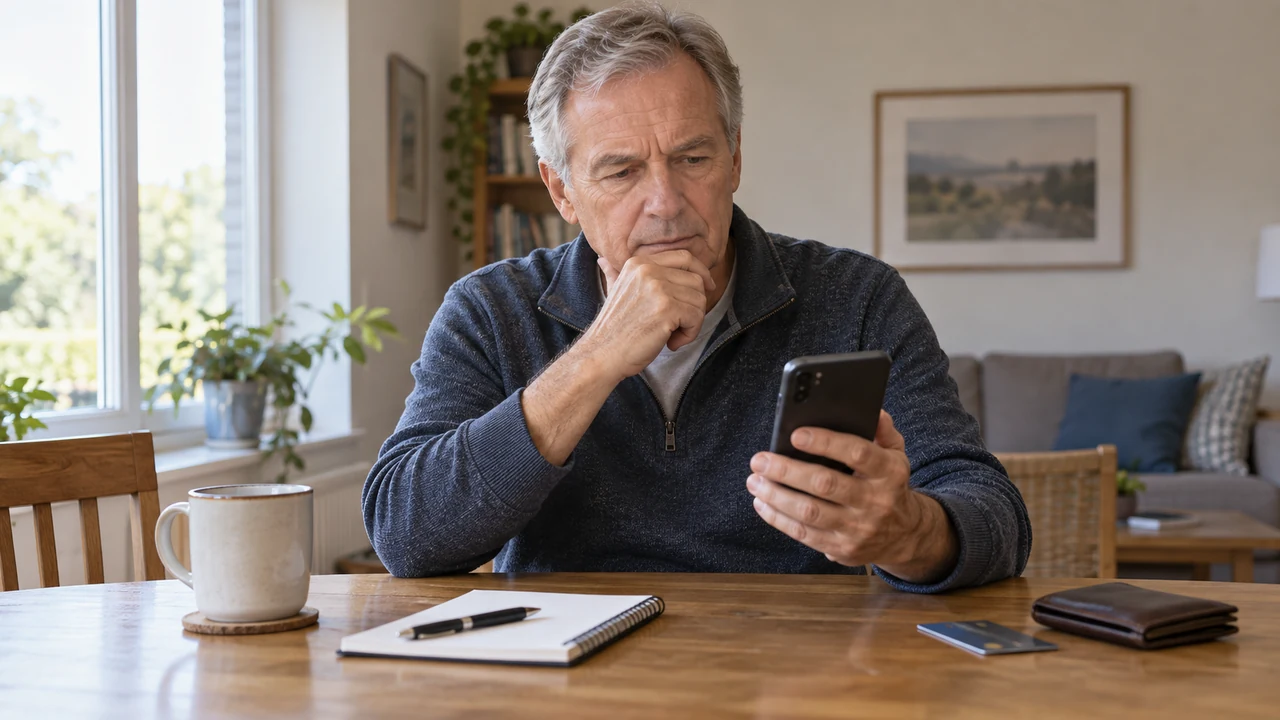
A romance scam rarely begins with an obvious request. It usually begins with attention. The person appears unusually compatible, communicates constantly, mirrors your hopes, and introduces a serious future before enough shared experience exists. The request arrives after emotional obligation has been created.
One imperfect detail does not prove fraud. Look for a pattern:
- intense affection, exclusivity, or marriage plans after very little contact;
- repeated excuses that prevent ordinary live video or an achievable meeting;
- basic facts that change across the profile, messages, voice calls, and video;
- pressure to leave the platform immediately or keep the relationship secret;
- a crisis that only your payment, account, signature, or personal contact can solve;
- investment advice presented as a shared future or proof of trust;
- anger, guilt, silence, or threats when you set a financial or privacy boundary.
Use the dedicated guides to spot real dating profiles and recognize international dating red flags when several concerns appear together.
Common Stories Used to Create Financial Urgency
The details change, but the structure is often the same: a credible identity, a sudden obstacle, a deadline, and a reason ordinary payment or verification is impossible. Common stories involve medical treatment, a broken phone, rent, travel tickets, visa fees, customs charges, inheritance paperwork, a frozen account, military deployment, or a business problem.
Another pattern replaces emergency with opportunity. A match introduces cryptocurrency, foreign exchange, a private investment platform, or a profitable business. Early gains may even appear on a controlled website. The relationship is used to make caution feel disloyal.
Do not test the story by sending a smaller amount. Do not receive or forward money, open an account for another person, buy gift cards, cash checks, or move funds between wallets. You could lose money, expose your identity, or become involved in transferring stolen funds.
Move from Text to Video Safely
Text can hide timing, identity, and conversational flexibility. A short live call adds useful information, especially before emotional, financial, or travel decisions. Suggest video after enough chat has established basic comfort, but before months of imagination replace direct interaction.
Keep the first call on the platform when possible. Check the background for private documents and disable notifications that may reveal names or account information. You do not need to display your home, possessions, vehicle, or workplace. Men who have not dated on camera can use the practical guide to video dating for men over 50.
What Video Can and Cannot Verify
Video can show that a person broadly resembles the profile and can take part in a spontaneous conversation. It can reveal communication style, comfort, and whether ordinary details sound natural. It cannot prove a legal identity, financial claim, relationship status, or future intention.
Recorded video, altered media, controlled calls, and a real participant working with someone else are possible. More often, the warning is simpler: the person appears on camera but still applies pressure, avoids normal questions, or introduces money. Review video chat red flags before treating one successful call as verification.
Check Consistency Without Turning the Date into an Interview
Ask ordinary questions connected with previous conversations. If she mentioned a family celebration, ask later how it went. If work hours affect calling, notice whether the schedule remains plausible. Genuine people can forget details or explain something badly; consistency should be assessed across time, not with a trap.
Do not demand passports, private records, or intrusive proof. Those requests create risk for the other person too. Verification works best as a sequence of normal interaction: a complete profile, varied messages, voice, live video, stable details, respected boundaries, and eventually a safely planned meeting.
Financial Boundaries for Daters Over 50
Financial compatibility matters in a serious relationship, but account access does not belong in early dating. Discuss attitudes toward work, retirement, travel, and independence in general terms. Keep assets, debts, property, beneficiary arrangements, and legal documents private until the relationship is established offline and independent advice is appropriate.
- Never use money to prove affection or seriousness.
- Do not cosign, guarantee a loan, or add a new partner to an account or property title.
- Do not change a will, beneficiary, power of attorney, or ownership arrangement under romantic pressure.
- Consult your own lawyer or financial adviser, not a professional introduced by the match.
- Pause immediately when secrecy, urgency, or guaranteed returns appear.
A person who cares about you will not ask you to weaken protections built for your future and family.
Adult Children, Friends, and a Trusted Second Opinion
Adult children can become overprotective, while a dater may hide a relationship to avoid criticism. Neither extreme is ideal. Choose one calm person who can hear the facts without humiliating you or taking over your decisions. Tell that person before major travel, transfers, legal changes, or plans to share a home.
Listen when someone identifies a concrete inconsistency. A trusted observer may notice urgency or isolation that feels romantic from inside the relationship. At the same time, nationality, age difference, or online origin alone does not prove dishonesty. Ask for evidence, not assumptions.
Protect the new person's privacy as well. Do not circulate her photographs or private messages to a group. Share only what is necessary to discuss a genuine concern.
Safe First Meetings After 50
A first meeting should reduce uncertainty, not create dependence. Choose a public place with staff and other visitors. Arrange your own transport, carry your own phone, and keep control of medication, documents, keys, and payment methods. Tell a trusted person where you are going and when you expect to return.
For a local date, keep the first meeting manageable: coffee, lunch, a museum, or a walk in a busy area. Do not invite a stranger to your home or rely on the date for the ride back. Limit alcohol so that judgment remains clear.
If anything feels wrong, leave. Courtesy does not require staying through pressure, insults, sexual coercion, requests for money, or unexplained changes of venue.
International Dating and Travel Safety After 50
Safety is one part of a workable cross-border connection. The full guide to long-distance dating after 50 covers communication, budgets, health, family, visits, and relocation planning.
Distance adds practical risks without making every international relationship unsafe. Use several live calls before booking travel, and read the broader international dating safety tips. Research entry requirements through official sources and make reservations yourself.
- Book your own hotel rather than staying in a private home on the first trip.
- Keep passport, insurance, medication, cards, and return arrangements under your control.
- Share the itinerary and regular check-in times with someone at home.
- Meet publicly and avoid carrying large cash amounts or valuable gifts.
- Do not make visa, marriage, relocation, or property promises during the first visit.
Travel should confirm a relationship that already behaves consistently. It should not be used to solve uncertainty, rescue someone, or meet a deadline created by pressure.
What to Do if You Suspect a Scam
Slow the conversation before confronting the person. Save relevant messages, usernames, dates, payment instructions, and profile details. Do not click new links or send additional information while investigating. Change passwords if you reused them, and contact the platform through its official reporting route.
Ask a trusted person to review the pattern. Search official fraud guidance for the specific money method or identity claim. If the person responds to a reasonable boundary with threats, guilt, or a new emergency, stop communication and block the account.
If You Already Sent Money or Personal Information
Act quickly and avoid shame. Contact the bank, card issuer, payment service, or cryptocurrency exchange through an official number. Ask whether the transfer can be stopped and whether accounts or cards should be secured. Change exposed passwords and tell the relevant identity, credit, or government services if documents were shared.
Report the profile and preserve evidence before deleting anything. Do not pay a person who promises to recover lost money; recovery scams often target people immediately after the first fraud. Emotional support also matters. A sophisticated manipulation can affect anyone, and isolation makes recovery harder.
Online Dating Safety Checklist After 50
- My dating and email accounts use unique passwords and available multifactor authentication.
- My profile and photographs do not reveal an exact address, financial position, or family details.
- The person's profile, messages, voice, and several live calls remain reasonably consistent.
- No one is asking for money, investments, account access, documents, or secrecy.
- I can set a boundary without being punished, rushed, or guilted.
- A trusted person knows about major travel or relationship decisions.
- The first meeting uses a public venue, independent transport, and a check-in plan.
- I am making decisions from evidence rather than urgency or fear of losing the connection.
Frequently Asked Questions
Is online dating safe after 50?
It can be safe when you protect personal and financial information, use trusted platform tools, verify gradually, move to live video, and meet publicly on your own terms.
What are common romance scams targeting older adults?
Watch for emergency requests, medical or travel stories, investment and cryptocurrency pitches, customs fees, impersonation, and very fast romance followed by financial pressure.
How can people over 50 verify an online date?
Compare details over time, ask normal follow-up questions, use several live video calls, and look for respectful, consistent behavior. No single photo, document, or call is complete proof.
Should you send money to someone you met online?
No. Do not send transfers, gift cards, cryptocurrency, tickets, or emergency payments to someone you know only online.
What personal information should you keep private?
Protect your exact address, account details, passwords, codes, identity documents, pension and property information, and private data about relatives.
How do you meet an online date safely?
Meet in public, control transport and accommodation, tell someone your plan, keep documents and phone with you, and leave if pressure or inconsistency appears.
Final Thoughts
Online dating after 50 can bring companionship, affection, and a serious new relationship. Safety keeps that possibility open by separating genuine trust from manufactured urgency. Protect access to your identity and finances, use video as one part of verification, involve a trusted person in major decisions, and let consistent behavior earn each next step.

 Start Live chat
 Send Message