Dating a Widow or Widower: Building Trust After Loss

Dating a widow or widower can feel emotionally different from other relationships because grief, memories, family routines, and emotional recovery may still be part of everyday life. At the same time, many widows and widowers are deeply capable of building caring, stable, and meaningful relationships again.
The most important thing to understand is that grief does not follow one universal timeline. Some people need years before they feel emotionally open again, while others begin rebuilding their personal life much earlier. Emotional readiness matters more than outside expectations.
This guide explains how modern widow dating works today: emotional pacing, trust, grief, children, communication, online dating, and healthy relationship expectations after loss.
Widowed readers who are considering their own first steps can begin with how to start dating again after 50, then return here for the specific emotional and family context of dating after loss.
Start meaningful conversations and meet new people online
How Dating a Widow or Widower Is Different
Dating after the loss of a spouse is different from dating after a breakup or divorce because the emotional connection to the late partner may still exist in memory, family life, and personal identity.
That does not mean a widow or widower is emotionally unavailable. In healthy situations, people learn how to carry grief while still opening themselves to new experiences and emotional connection.
| Healthy Signs | Potential Challenges |
|---|---|
| Emotionally mature communication | Fear of emotional loss happening again |
| Clear relationship priorities | Grief triggers during anniversaries or holidays |
| Appreciation for stability | Comparison anxiety in a new relationship |
| Stronger empathy and patience | Complex family dynamics or children |
| Realistic relationship expectations | Emotional guilt about moving forward |
How to Know Someone Is Emotionally Ready to Date Again
There is no perfect timeline for dating after loss. Some people become emotionally open within months, while others need several years. What matters more is emotional stability and willingness to build something new.
A person may be emotionally ready for dating when:
- they can speak about the past without becoming emotionally overwhelmed every time;
- they are interested in building future experiences, not only revisiting old memories;
- they communicate honestly about boundaries and emotional pace;
- they no longer compare every new partner to the late spouse;
- they show emotional consistency instead of emotional avoidance.
Being emotionally ready does not mean grief disappears completely. It simply means grief no longer controls every part of the relationship.
Online Dating for Widows and Widowers
Online dating can feel easier for widows and widowers because it allows communication to develop gradually without immediate emotional pressure.
Many people rebuilding their confidence after loss prefer calm online conversations before meeting in person. Platforms focused on online dating, dating chat, and video dating can help people communicate naturally and safely.
Video communication can also help build trust and emotional comfort before investing heavily into travel or serious commitment. For live interaction, many people now use live video chat tools to understand compatibility better.
Dating Someone With Children After Loss

Children can make widow dating emotionally more complex because they are also processing grief and family change.
Every child reacts differently after losing a parent. Some become emotionally open quickly, while others need more time and emotional security before trusting a new adult figure.
The healthiest approach is usually patience rather than forced closeness.
- Do not pressure children to accept you immediately.
- Respect existing family routines and emotional boundaries.
- Avoid trying to replace the late parent.
- Focus on trust and emotional safety first.
- Allow relationships to develop naturally over time.
Healthy blended relationships usually grow slowly through consistency and respect.
Common Emotional Challenges in Widow Dating
Widow dating can include emotional situations that feel unfamiliar if you have never experienced grief closely before.
| Challenge | Healthy Response |
|---|---|
| Photos or memories of the late spouse | Understand that memories are not competition. |
| Emotional withdrawal during anniversaries | Give emotional space without taking it personally. |
| Fear of new emotional attachment | Build trust gradually through consistency. |
| Comparison anxiety | Avoid competing with the past. |
| Family pressure or opinions | Focus on communication inside the relationship. |
Young Widows and Emotional Recovery
Young widows and widowers often face unique emotional pressure because society does not always expect grief and loss at a younger age.
Many younger people rebuilding relationships after loss focus strongly on:
- financial independence;
- emotional recovery;
- mental health support;
- rebuilding confidence;
- creating stability for children or family.
For this reason, emotional pacing matters more than dramatic romance. Trust usually grows through reliability, calm communication, and emotional safety.
Trust, Grief, and New Relationships

One of the biggest fears after losing a spouse is emotional vulnerability. Some widows and widowers fear becoming deeply attached again because they know how painful loss can feel.
That is why trust-building matters so much. Healthy widow relationships usually develop through:
- consistent communication;
- emotional honesty;
- respect for personal pace;
- low-pressure emotional support;
- shared long-term goals.
The goal is not to erase the past. The goal is to create a future where both people feel emotionally safe and respected.
Healthy Communication Matters
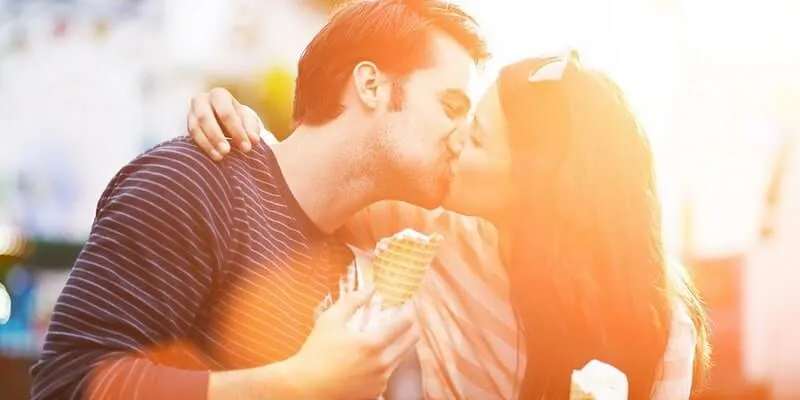
Healthy widow dating works best when both people can discuss emotional expectations openly and respectfully.
Important conversations may include:
- relationship pace;
- communication style;
- children and family boundaries;
- grief triggers and emotional difficult dates;
- future expectations and commitment.
Honest communication usually prevents misunderstanding and comparison anxiety from growing silently.
Dating Safety and Emotional Awareness

People rebuilding relationships after grief can sometimes become emotionally vulnerable to manipulation or unhealthy attachment.
Healthy online dating usually includes:
- gradual emotional trust-building;
- video calls before major commitments;
- realistic expectations;
- clear financial boundaries;
- open communication about intentions.
According to Cruse Bereavement Support, grief recovery is highly individual and emotional support can help people rebuild confidence and healthy connection after loss.
FAQ About Dating a Widow or Widower
Is dating a widow or widower different from dating after divorce?
Yes. Dating after the loss of a spouse often includes grief, emotional recovery, family memories, and a different emotional timeline compared with divorce.
How long should someone wait before dating again after loss?
There is no universal timeline. Emotional readiness matters more than a fixed number of months or years.
Can a widow or widower still love a new partner?
Yes. Loving a new partner does not erase the love someone had for a late spouse. Healthy relationships can exist without replacing the past.
What are the biggest challenges when dating a widow or widower?
Common challenges include grief triggers, emotional pacing, comparison anxiety, children, family dynamics, and rebuilding trust after loss.
Should you talk about the late spouse in a new relationship?
Yes, but naturally and respectfully. Healthy relationships usually allow open conversation without turning the past into a constant comparison.
Is online dating useful for widows and widowers?
Yes. Online dating can help people rebuild confidence, communicate gradually, and meet others outside their existing social circles.
Bottom Line
Dating a widow or widower is not about competing with the past. It is about building a new relationship with emotional maturity, patience, communication, and mutual respect.
Healthy relationships after loss usually grow slowly through trust, consistency, emotional safety, and realistic expectations.
Start chatting and meeting new people today

 Start Live chat
 Send Message