Interfaith Relationships: Tips, Challenges, and How to Make Them Work
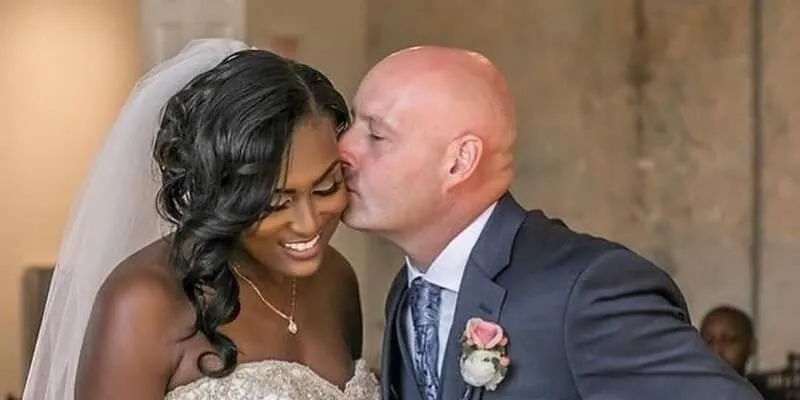
Interfaith relationships can be challenging because partners may have different religious beliefs, traditions, customs, and expectations. These differences can affect daily life, family relationships, celebrations, marriage plans, and the way children are raised.
Today, strong interfaith relationships usually depend less on “winning” religious debates and more on respect, honest communication, and shared long-term values.
Can a Christian woman date a Muslim man? Can a religious couple with different beliefs still build a happy future together? Yes, it is possible. But it requires tolerance, clarity, and willingness to understand each other more deeply.
Common Mistakes in Interfaith Relationships

Different religious beliefs can become a source of tension if couples do not address them honestly. Some of the most common mistakes include:
- Ignoring differences and assuming love alone will solve everything;
- Assuming religious differences automatically make the relationship impossible;
- Refusing to look for compromise;
- Trying to impose personal beliefs on a partner;
- Rejecting another point of view without trying to understand it;
- Pressuring children into one belief without discussion;
- Failing to notice shared values and moral similarities.
The Difficulties of Interfaith Relationships
A relationship between people of different faiths can be complicated, but that does not mean it is doomed. Many interfaith couples build stable and loving relationships when they approach their differences with maturity.
You may have different holidays, traditions, expectations around intimacy, or ideas about how to raise children. In some families, parents strongly influence marriage decisions and may resist the relationship from the beginning. These issues are real, but they can often be managed when both people stay respectful and committed.
How to Make an Interfaith Relationship Work
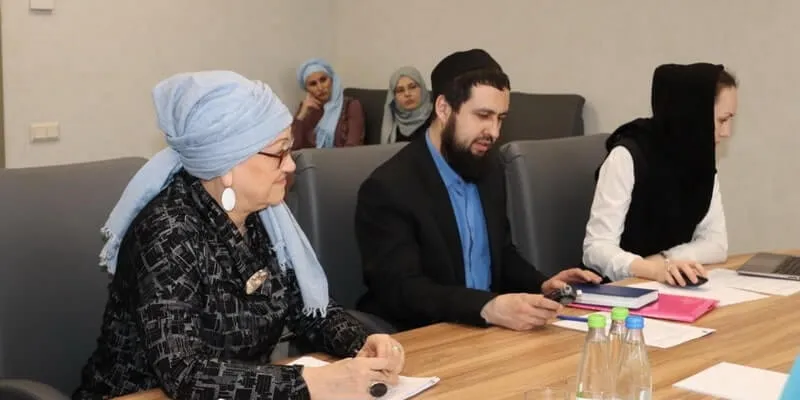
Interfaith couples can have happy and meaningful relationships. The key is to stay tolerant, honest, and open to discussion.
- Learn how faith shapes your identity and your partner’s identity. Ask questions respectfully and try to understand what religion really means in everyday life.
- Acknowledge differences instead of pretending they do not exist. Avoidance usually creates bigger problems later.
- Share personal experience. Tell your partner about the traditions, memories, and values that matter to you.
- Consider therapy or counseling if religion becomes a serious source of conflict. A good specialist can help both of you communicate better and manage tension.
- Build your relationship on more than one topic. Shared interests, values, and goals matter as much as religious discussion.
What You Should Think About in Interfaith Relationships
- What helps each of you go through hardships?
- What role does religion actually play in your daily life?
- How important is family approval?
- What beliefs or practices could you never accept?
- Are you open to learning from each other instead of trying to win arguments?
How Interfaith Couples Can Find Compromise

Dating someone of a different religion can be a new and eye-opening experience. Interfaith couples often learn a lot from one another. The challenge is to make that difference productive rather than painful.
- Do not make religion the only focus of the relationship. Emotional warmth, trust, and affection still matter.
- Respect each other’s holidays and celebrations. In some couples, celebrating both traditions becomes a strength rather than a conflict.
- Talk openly about intimacy, boundaries, and expectations before misunderstandings build up.
- Stay calm in disagreements. A different belief system is not an attack on your identity.
- Discuss children early. It is better to talk about religious upbringing before the question becomes urgent.
- Read, learn, and ask thoughtful questions about your partner’s religion.
- Do not rush breakup decisions during moments of frustration. Some issues need time, patience, and perspective.
- Do not try to change your partner by force. Real compromise is not the same thing as pressure.
When an Interfaith Relationship May No Longer Work
Interfaith relationships can be exciting and deeply rewarding, but sometimes the differences are too serious to overcome. It may be time to step back when:
- Your partner does not respect your beliefs and openly mocks them;
- One of you refuses compromise in every major issue;
- Family pressure becomes overwhelming and impossible to manage;
- You have completely opposite views on children, marriage, or conversion;
- There is a language barrier that leads to constant misunderstandings;
- The relationship involves dangerous or abusive traditions that you cannot accept.
In these situations, honest discussion is better than denial. It is painful to end a relationship, but staying in one that destroys your peace or dignity is worse.
Where to Meet a Partner from a Different Religion
You can meet someone of a different religion while traveling, studying abroad, through social circles, or online. For many people, international dating platforms make this process easier because they allow you to talk, ask questions, and learn about someone before making major decisions.
Online communication can be especially useful in interfaith relationships because it gives both partners time to talk through values, traditions, and goals before meeting in person.
Why Some People Seek Interfaith Relationships Online
Many singles want a partner who is serious, respectful, and open-minded, even if they do not share the same religion. Some are more interested in emotional maturity, loyalty, and family values than in belonging to the same faith community.
At the same time, it is important not to idealize any group. A healthy relationship still depends on the individual, not on a label like “religious” or “traditional.”
How to Treat Each Other in Interfaith Relationships
A relationship between people of different faiths can be difficult, but mutual respect remains the main rule. You should accept your partner as a whole person, not as a project to change.
If you have a long-distance relationship, make your communication feel meaningful. Talk about preferences, future plans, family expectations, and the role of faith in daily life. Find ways to make online meetings feel personal and warm.
A sense of humor can help, but religious beliefs should never become the target of jokes. If you say something hurtful, apologize sincerely and learn from the mistake.
Trust also matters. If you decide to become exclusive, show your partner that they are important to you. Small thoughtful gestures, consistency, and emotional honesty often matter more than grand promises.
Interfaith relationships can be difficult, but they can also be deeply rewarding when both partners choose respect, patience, and honest communication. Shared values, emotional maturity, and willingness to compromise often matter more than religious difference alone.
FAQ About Interfaith Relationships
Can interfaith relationships work?
Yes. Interfaith relationships can work when both partners respect each other’s beliefs, communicate openly, and are willing to discuss boundaries, traditions, and long-term expectations.
What are the biggest challenges in interfaith relationships?
The biggest challenges usually involve family expectations, holidays, marriage traditions, children, diet, and differences in how religion affects daily life.
How do interfaith couples compromise?
Healthy compromise starts with honest conversation. Interfaith couples usually do better when they discuss celebrations, family roles, children, and religious boundaries early instead of avoiding them.
When do interfaith relationships become too difficult?
They often become too difficult when one partner is disrespectful, refuses compromise, pressures the other to change beliefs, or when major life goals are completely incompatible.
Should interfaith couples talk about children early?
Yes. It is better to talk about children, religious upbringing, and family expectations early, because these topics can become major sources of conflict later.
How can interfaith couples build respect?
They can build respect by listening carefully, asking questions without judgment, learning about each other’s traditions, and avoiding pressure, mockery, or dismissive behavior.

 Start Live chat
 Send Message