Mexican Women Features: Appearance, Personality and Culture
Mexican women features cannot be reduced to one face, body type, or personality. Mexico includes large cities, coastal communities, northern industrial centers, central highlands, southern states, Indigenous nations, and families with many different histories. An individual woman's region, generation, profession, education, and personal taste often explain more than a national stereotype.
This guide answers what Mexican women look like, how fashion and beauty standards vary, which cultural values may influence communication, and what to understand before dating a Mexican woman online. The focus is on useful context without treating appearance or nationality as a prediction of character.
Meet Mexican women and begin a respectful conversation online
What Do Mexican Women Look Like?
Mexico's population reflects Indigenous, European, African, Asian, Middle Eastern, and mixed family backgrounds. Dark brown or black hair and brown eyes are common, but they are not universal. Mexican women also have auburn, light brown, blonde, or colored hair and hazel, green, gray, or blue eyes.
Skin tones range from light through olive and warm medium shades to deep brown. Hair may be straight, wavy, curly, or coily. These variations do not divide women into fixed personality groups and should not be used to infer education, social class, relationship goals, or cultural identity.
Typical Mexican women's facial features
Searches for typical Mexican women's facial features often mention expressive eyes, defined cheekbones, full lips, thick eyebrows, and oval or round faces. All of these can occur, but so can angular, heart-shaped, long, or softly structured faces. Nose shape and facial proportions vary across individuals and families.
Terms such as average Mexican woman or traditional Mexican girl describe a search intent, not a reliable visual category. Profile photographs, makeup, lighting, age, and personal styling create additional variation. The most accurate answer is that Mexican appearance is diverse rather than built around a single template.
Hair, eyes and skin tones
Dark hair is visually associated with Mexico, and many women wear it long, layered, straightened, naturally textured, or in practical shorter styles. Urban salon trends include highlights, balayage, copper shades, vivid colors, and contemporary cuts. Eye and skin color also vary independently, so familiar combinations should be treated as examples rather than rules.
Height, Body Types and Physical Appearance
Mexican women have every height and body type. Petite, tall, slender, athletic, curvy, plus-size, and differently proportioned bodies are all represented. National averages can describe populations for public-health research, but they do not help predict what an individual woman looks like or whether she follows a particular lifestyle.
Body ideals also change across age groups, social circles, media, cities, and regions. Some environments may celebrate curves, while fitness culture, fashion, and global social media promote other standards. Many women reject narrow ideals entirely and prioritize comfort, health, sport, or personal expression.
| Aspect | Common association | More accurate context |
|---|---|---|
| Hair | Dark, thick, straight, or wavy | All colors and textures occur naturally or through styling |
| Eyes | Brown or dark brown | Hazel, green, gray, and blue eyes also occur |
| Skin tone | Warm, olive, or medium | Mexican complexions range from light to deep brown |
| Body type | Curvy or petite | Height, build, fitness, and proportions vary individually |
| Style | Colorful or feminine | Modern Mexican fashion ranges from minimal to expressive |
What Do Mexican Women Wear?

Everyday fashion depends on climate, city, work, age, budget, and occasion. Jeans, T-shirts, blouses, dresses, trainers, sandals, office wear, streetwear, sportswear, and international fashion are all ordinary. Mexico City, Guadalajara, and Monterrey have distinct creative and professional scenes, while coastal or rural settings may encourage different practical choices.
Traditional clothing and regional identity
Garments such as the huipil and rebozo have important cultural and regional histories. Embroidery, weaving, and local textiles may appear at celebrations, community events, formal occasions, or in contemporary designs. They are not a costume worn by every Mexican woman in daily life, and particular designs can belong to specific Indigenous communities.
A respectful compliment focuses on the woman's actual choice rather than calling every colorful garment "traditional." Ask about a textile, designer, or occasion when she has chosen to share it. This shows curiosity without turning her culture into decoration.
Urban and everyday style
Modern style may be polished, casual, minimalist, romantic, alternative, athletic, or experimental. Climate matters: northern heat, central highland evenings, tropical coasts, and rainy seasons create different wardrobes. There is no single Mexican fashion sense that can predict personality.
Mexican Beauty Standards and Self-Care

Mexican beauty standards combine local preferences, family influence, television, international fashion, social media, and growing body-positive movements. Groomed hair, skincare, defined brows, expressive makeup, or a polished outfit may be appreciated in some circles, while other women prefer minimal makeup and practical routines.
Beauty practices should not be presented as biological traits. Smooth skin does not prove health, and a particular body shape does not reveal heritage or lifestyle. Individual women decide how much time and money to invest in salons, cosmetics, fitness, clothing, or no formal beauty routine at all.
When dating, avoid comments about weight, skin color, fertility, or how closely she matches a Latina image. A specific compliment about her smile, style, profile photograph, or confidence is more personal and less likely to sound copied.
Mexican Women Personality Traits
Mexican women personality traits are often described through warmth, resilience, sociability, cultural pride, and strong family connections. These ideas may reflect visible values in parts of Mexican society, but they are tendencies people discuss, not qualities guaranteed by nationality.
Warmth does not mean instant intimacy
A friendly or expressive conversation can be ordinary politeness rather than immediate romantic interest. Look for reciprocity, questions, initiative, and willingness to continue communicating. Respecting the pace of the individual matters more than interpreting a culturally warm interaction as attraction.
Family values can take different forms
Some women speak with relatives daily, participate in frequent gatherings, or consider family opinion when relationships become serious. Others maintain more distance or build independent lives in another city or country. Close family ties do not automatically mean traditional household roles or early marriage.
Tradition and independence can coexist
A woman may celebrate regional holidays, value Catholic or Indigenous family traditions, pursue a demanding career, support gender equality, and prefer an equal partnership at the same time. Modern identity does not require rejecting heritage, just as cultural pride does not prove conservative beliefs.
Communication styles are individual
Some people communicate expressively; others are measured and private. Jealousy, control, raised voices, and pressure should never be reframed as proof of passion. Healthy affection includes consent, emotional regulation, and respect for separate friendships and responsibilities.
Regional Differences Across Mexico
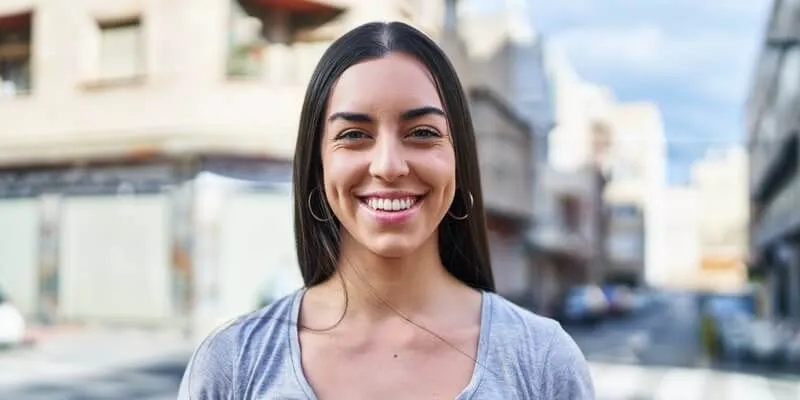
Mexico should not be treated as one social environment. Mexico City has a vast professional, academic, creative, and international population. Monterrey is shaped by business and northern regional culture, Guadalajara combines technology and cultural traditions, and coastal or southern communities have their own languages, histories, and rhythms.
Region does not determine character, but local context can influence language, food, family proximity, dating opportunities, climate, and everyday routines. Ask where she grew up, where she lives now, and what she values about that place. Do not expect one person to represent the whole country.
Spanish is the national majority language, while Mexico also includes many Indigenous languages and bilingual communities. If you are learning Spanish, a simple accurate phrase can show effort, but do not make her your unpaid teacher or assume that every Mexican woman has the same accent.
Modern Life, Careers and Relationship Expectations
Women in Mexico study and work across medicine, education, technology, business, public service, science, hospitality, agriculture, creative industries, and many other fields. Career opportunities and expectations differ by region and economic background, but it is inaccurate to describe modern Mexican women only through domestic or family roles.
A woman may want marriage and children, prefer a long period of dating, remain child-free, focus on a career, or combine several goals. Ask what a serious relationship means to her. The phrase can refer to exclusivity, long-term planning, marriage, shared residence, or simply dating with honest intentions rather than casual contact.
Family involvement and personal boundaries
Family can be emotionally important without controlling the relationship. Some couples meet relatives early because gatherings are frequent; others wait until the connection is established. Do not pressure her for an introduction or assume that family approval replaces her own decision.
If an international relationship becomes serious, discuss location, language, careers, finances, travel, and responsibilities toward relatives. Cultural attraction is not a plan for relocation. Both partners need a realistic picture of what daily life would require.
Equality and traditional gestures
Opening a door, bringing flowers, or offering to pay may be appreciated, but no gesture has one national meaning. Ask rather than testing her with a rule. A healthy partnership can include romance and generosity while still sharing decisions, expenses, household work, and emotional responsibility in a way both people accept.
Myths and Stereotypes About Mexican Women
Broad stereotypes often combine Mexican identity with generalized images of Latin women. They can make even a flattering message feel impersonal.
| Myth | Reality |
|---|---|
| Every Mexican woman is fiery and jealous | Emotional style varies, and controlling behavior is not cultural romance |
| All Mexican women have the same curvy body | Women have every height, build, proportion, and fitness level |
| They are submissive or dependent | Women make different choices about education, careers, money, and partnership |
| Every woman is deeply religious | Beliefs range from observant to secular and cannot be assumed |
| Family always comes before the relationship | Family involvement and boundaries differ in every household |
Ask about actual values instead of trying to confirm a stereotype. The broader guide to Latin women features explains why countries and individuals within Latin America should not be treated as interchangeable.
Dating Mexican Women Online

This article explains appearance and culture; the practical guide to meeting Mexican women online covers profile selection, first contact, verification, and planning. The Mexican women for American men guide addresses USA-specific distance, language, travel, and relationship decisions. Profiles on the Mexican women page provide the commercial next step without changing the informational purpose of this guide.
Begin with a detail she chose to share. A question about travel, books, food, work, music, or a profile location is more effective than "I love passionate Latinas." Use online dating and dating chat to find a sustainable rhythm and avoid making every message about appearance.
When interest becomes mutual, live video chat helps both people understand tone, humor, and chemistry. It also reduces idealization before travel. Keep financial information private, never send money because of an urgent story, and discuss a real meeting only after repeated, consistent contact.
From a first message to a real conversation
The guide to a first message in international dating provides practical examples. Keep the opening short, specific, and easy to answer. Mention one profile detail, share a related fact about yourself, and ask one genuine question instead of sending several compliments.
As the conversation develops, move beyond culture and appearance. Ask how she spends weekends, what she is working toward, which relationships matter in her life, and what kind of future she imagines. Offer your own answers so she can evaluate you as well. Mutual disclosure is a stronger sign of progress than message frequency alone.
Dating etiquette without rigid rules
Do not assume a man must always pay, collect a woman from home, or meet her family immediately. Ask how she prefers to handle the date. For a first in-person meeting, choose a public location and let both people arrange transport independently. Clear consent and practical safety are more important than performing a traditional role.
Family introductions can be meaningful when a relationship is established, but timing varies. If you meet relatives, politeness, punctuality, and genuine interest are safer than memorized claims about Mexican family culture.
Building a Relationship Beyond Appearance
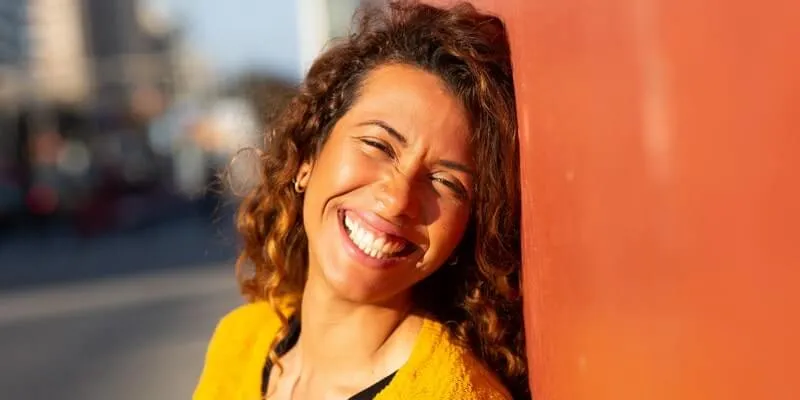
Attraction may begin with appearance, but compatibility becomes visible through ordinary subjects: work, money, family boundaries, children, religion, relocation, communication frequency, and conflict. Learn whether your expectations match before turning cultural curiosity into promises.
Offer information about your own life as well. International dating should not become an interview in which only the woman explains her country and intentions. Mutual questions and shared initiative show whether a connection is developing evenly.
For a broader regional perspective, read about dating Latin women. Use comparisons to understand cultural context, not to rank Mexican women against Colombian, Brazilian, European, or Asian women.
FAQ
What are common Mexican women features?
Mexican women features are highly diverse. Dark hair and brown eyes are common, but women in Mexico have many skin tones, hair textures, eye colors, facial structures, heights, and body types shaped by individual and family backgrounds.
What do Mexican women usually look like?
There is no single Mexican look. Familiar descriptions may include dark hair, expressive brown eyes, warm or olive undertones, and defined cheekbones, yet light hair, lighter or deeper complexions, hazel or green eyes, and many other combinations are also part of modern Mexico.
What are Mexican women like in relationships?
Relationship expectations vary by person. Family connections, affectionate communication, independence, career goals, religion, and personal space can all matter in different ways. Ask about her actual values rather than assuming that nationality predicts behavior.
Do all Mexican women have strong family values?
Family is culturally important to many people in Mexico, but the meaning of family involvement differs. Some women maintain close daily contact with relatives, while others live independently, set firm boundaries, or prioritize career and travel alongside family.
How can I meet Mexican women online?
Use a complete profile and send a message based on her interests. Build a reciprocal conversation, use video chat when both people are comfortable, and discuss distance or travel only after trust and clear intentions have developed.
What should I avoid when dating a Mexican woman?
Avoid stereotypes about passion, jealousy, body type, religion, submissiveness, or marriage. Do not assume she wants traditional gender roles or that every family follows the same customs. Respect boundaries and let her describe her own background.
Conclusion
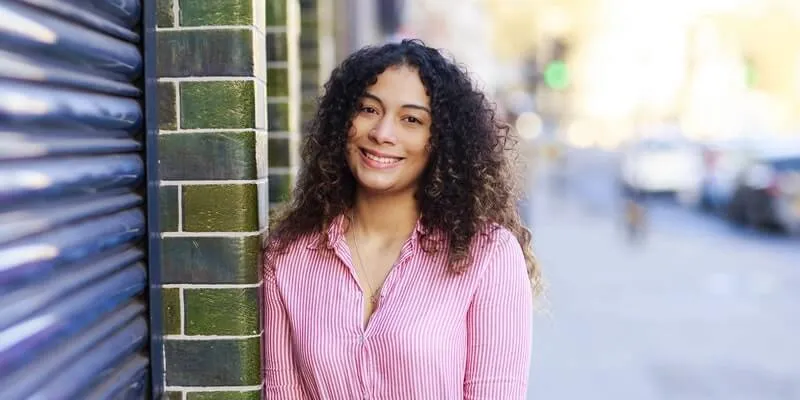
Mexican women features include wide variation in appearance, fashion, communication, beliefs, and relationship goals. Mexico's regional and cultural diversity provides valuable context, but it cannot replace learning about the individual woman.
Start with a personal message, remain curious without stereotyping, and let trust develop through reciprocal chat and video. That approach reveals more about compatibility than any list of typical traits.
Explore Mexican profiles and start a personal conversation today

 Start Live chat
 Send Message