Spanish Women: Appearance, Facial Features and Beauty Standards
Spanish women features cannot be reduced to dark hair, olive skin, flamenco, or an expressive personality. Spain includes distinct regions, several languages, large international cities, islands, coastal communities, and changing generations. Appearance, communication, style, and relationship goals vary accordingly.
This guide explains Spanish women appearance, personality traits, cultural context, and practical dating expectations without turning familiar images into rules. You will learn what broad patterns may be visible, where regional differences matter, and which signals are more useful when deciding whether an online connection has real potential.
Discover the person beyond the first impression
Explore Spanish dating profiles and information, check current availability, and read individual interests. Confirm where someone lives and what kind of connection she wants before making plans.
What Do Spanish Women Look Like?
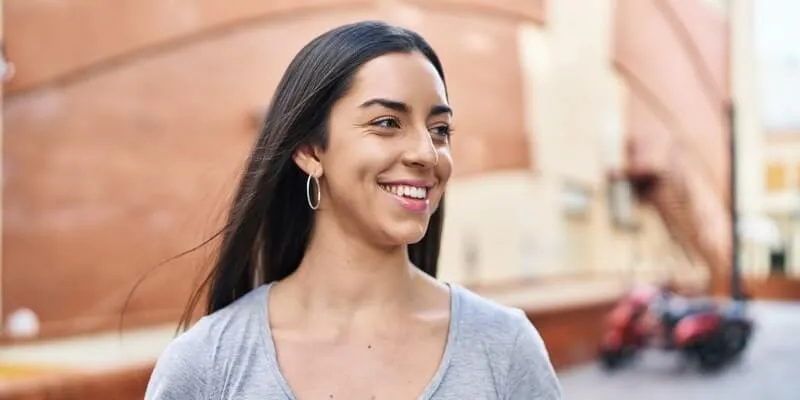
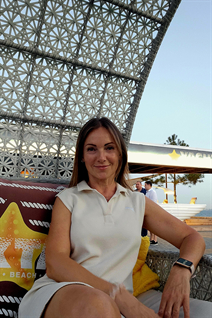
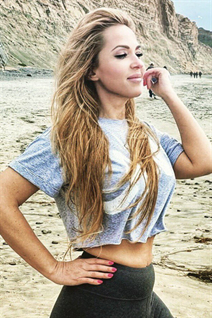
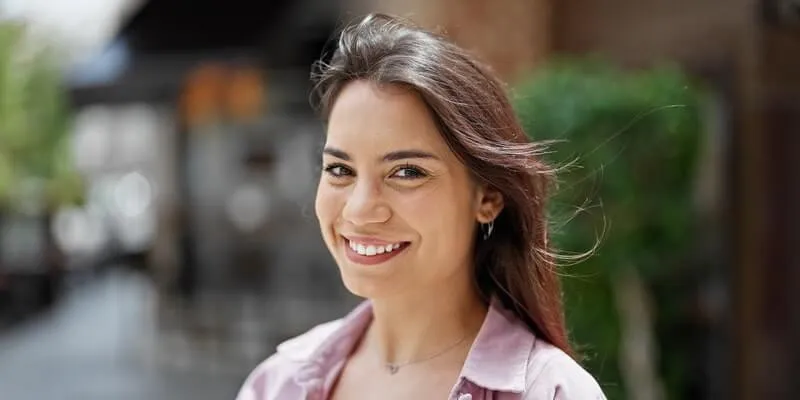
There is no single answer to what Spanish women look like. Brown or black hair, brown or hazel eyes, and warm complexions appear frequently in traditional Mediterranean imagery. Spanish women may also have blonde, red, gray, or light-brown hair; blue, green, or gray eyes; fair, olive, or darker complexions; and every height and body type.
Searches for an average Spanish woman often produce measurements and a narrow visual profile. Averages cannot describe an individual and are particularly weak in a country with substantial regional and family diversity. Height, build, face shape, and coloring should not be used to predict health, temperament, or relationship compatibility.
Photography affects perception as well. Makeup, lighting, filters, camera angles, and selected profile pictures can emphasize certain Spanish female features. Look across the full profile and use a natural video conversation before treating one photograph as a complete representation of the person.
Spanish Women Features by Region
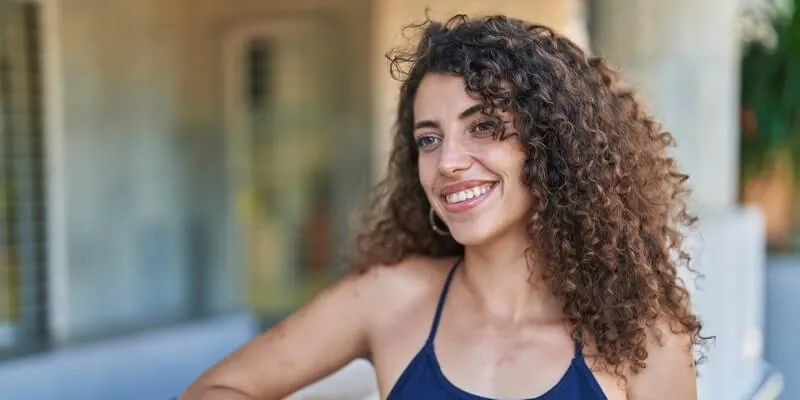
Regional identity in Spain can influence language, accent, food, local traditions, social routines, and personal style. It does not create a fixed appearance or personality, but it provides better cultural context than treating the country as one Mediterranean type.
| Area | Useful context | Avoid assuming |
|---|---|---|
| Madrid and central Spain | Metropolitan schedules, national migration, professional and international circles | That capital-city life creates one personality or relationship goal |
| Catalonia and Barcelona | Strong regional identity, Catalan and Spanish language context, global city influences | Her language, politics, or identity from her location alone |
| Andalusia and the south | Distinct local traditions, varied cities, warm climate, visible community culture | That every woman is loud, relaxed, or constantly social |
| Galicia, Asturias, and the north | Atlantic climate, regional languages and identities, different city and rural rhythms | That northern appearance or temperament follows one pattern |
| Basque Country | Distinct language and cultural identity, urban and coastal lifestyles | Her beliefs or family background before asking |
| Balearic and Canary Islands | Island identities, tourism, migration, seasonal work, and international communities | That resort imagery represents ordinary local life |
A woman who moved from Seville to Madrid or from a smaller town to Barcelona may combine several identities and routines. Ask where she feels at home, which languages she uses, and what traditions matter to her. Those questions invite a personal answer instead of asking her to represent an entire region.
Spanish Female Facial Features and Physical Diversity
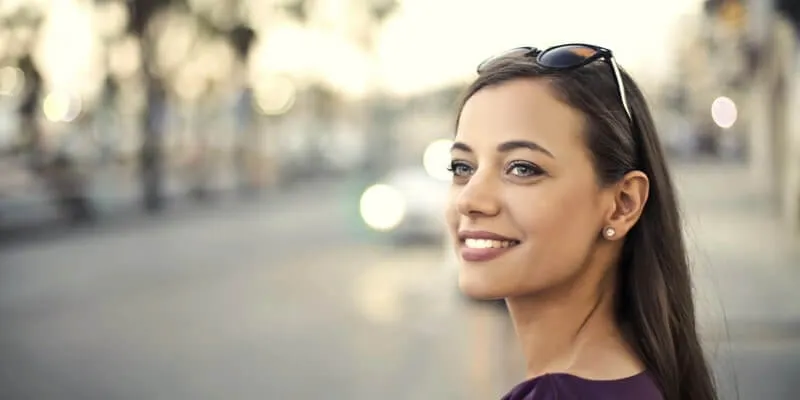
Descriptions of Spanish facial features often mention expressive brown eyes, defined brows, oval or angular faces, prominent noses, full or narrow lips, and visible cheekbones. Every one of these traits also appears outside Spain, and none is required for a woman to be Spanish.
Face Shape, Brows, and Cheekbones
A description such as an oval face or defined cheekbones is about visible structure, not national identity. Two women from the same Spanish city may have very different jawlines, noses, lips, and coloring. Similar features can appear in people from unrelated places. A face is not evidence of someone's language, birthplace, or cultural background.
For a more accurate impression of a profile, look at photographs from different occasions. Side lighting can emphasize a cheekbone; a close camera angle can change apparent proportions. A relaxed expression in ordinary light may look different from an evening portrait without either image being dishonest.
Natural Features and Personal Presentation
Inherited appearance is also different from grooming. Hairstyles, brow shaping, skincare, makeup, tanning, and clothing can highlight particular features. Choices change with age, profession, city, budget, season, and personal taste. They should not be presented as biological characteristics of Spanish women.
Older articles sometimes claim that climate, food, or ancestry produces a specific body shape, skin condition, or personality. Those claims oversimplify genetics and health. A modern features guide should describe visible diversity and cultural presentation without turning nationality into a medical or racial category.
Spanish Beauty Standards: Style and Grooming
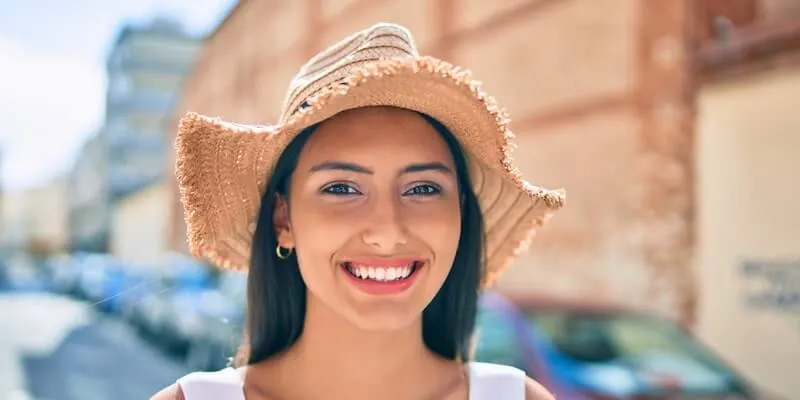
Spanish style ranges from practical everyday clothing to formal tailoring, streetwear, vintage fashion, resort wear, and bold evening looks. Weather matters: clothing for a Madrid winter differs from a summer in Valencia or an Atlantic day in Galicia. Work, transport, and the occasion may influence presentation more than nationality.
Some women prefer natural-looking makeup and simple hair, while others enjoy defined makeup, salon treatments, colorful clothing, or statement accessories. Spain has fashion brands, designers, local scenes, and global influences, but no single national dress code for modern women.
Everyday Style and Dressing for an Occasion
To understand Spanish beauty standards, distinguish everyday routines from selected images of holidays, celebrations, and nightlife. A carefully styled event photograph shows one occasion, not an obligation to look that way every day. Someone may enjoy both minimal weekday grooming and a dramatic evening look without belonging to a single style category.
Ask about the venue when planning a date rather than guessing what a Spanish woman expects you to wear. A short walk, a gallery visit, and a formal dinner call for different practical choices. Being comfortable and appropriately dressed leaves more attention for the conversation.
Personal presentation can communicate attention to the occasion. A man does not need expensive clothing to make a good impression. Clean shoes, appropriate clothes, basic grooming, and respect for the venue usually matter more than luxury labels or an exaggerated attempt to look sophisticated.
Spanish Women Traits and Communication Style
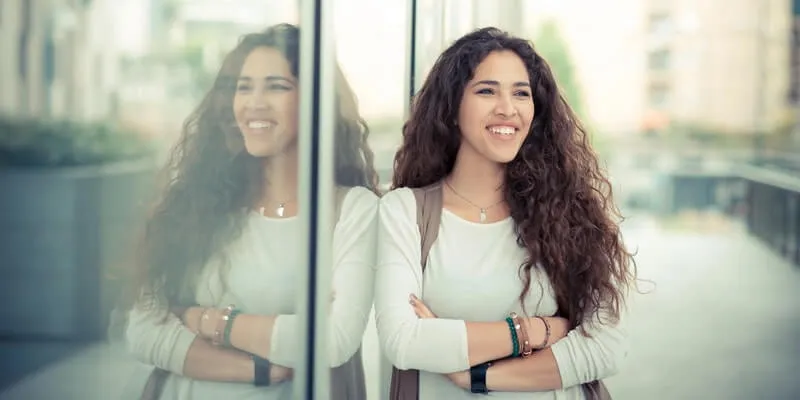
Spanish women traits are commonly described through sociability, confidence, warmth, direct expression, humor, and strong personal networks. These ideas reflect visible parts of Spanish social culture, not guarantees about an individual. Some women communicate energetically; others are quiet, formal, private, or slow to trust.
Conversation and emotional expression
Animated speech, facial expression, or gestures do not automatically indicate anger or romantic interest. Listen to the words and context. If a tone is unclear, ask calmly rather than labeling her as dramatic, fiery, or difficult.
Friendships, family, and social time
Close friends and relatives may remain important inside a relationship. That does not mean a woman wants constant family involvement or traditional household roles. Ask how she balances a partner with her existing relationships and respect the social life she had before meeting you.
Independence, education, and career
Modern Spanish women work across every profession and may prioritize education, mobility, financial independence, and personal development. A serious partner should not treat ambition as a temporary stage or assume she will relocate, reduce her work, or follow his decisions.
Time and planning
Spanish dining and social schedules may run later than in some countries, but individual routines differ. Work, children, commuting, and personal preferences all matter. Confirm plans clearly and arrive as agreed instead of using cultural clichés to excuse unreliability.
Family, Relationships and Changing Expectations
Spain combines Catholic history, secular life, regional identities, immigration, changing family structures, and broad attitudes toward gender and partnership. Some women want marriage and children; others prefer a different relationship model, want no children, or have not decided.
Family orientation is meaningful only after you learn what it means to the individual. It might involve weekly meals, daily calls, help with older relatives, holiday traditions, or simply emotional closeness. It does not automatically determine who cooks, earns more, makes decisions, or provides care.
Age and life stage also matter. A student, a professional in her thirties, a divorced mother, and a woman dating after fifty may approach time, commitment, and independence differently. Avoid turning a generational difference into a claim about all Spanish women.
Food, Social Life and the Spanish Daily Rhythm
Food often creates time for conversation in Spain, but it should not be used to define a woman's body or domestic role. She may enjoy traditional family recipes, cook only occasionally, follow a particular diet, or prefer international cuisine. Interest in Spanish food is a useful conversation starter when it invites her experience rather than assumes she will cook for a partner.
Meals can also have a social function. Lunches, tapas, coffee, and weekend gatherings may involve friends or relatives and last longer than a visitor expects. A partner who is comfortable joining some group activities may understand her life more quickly. At the same time, not every date needs to involve a large circle; many women value private time and one-to-one conversation.
The familiar idea of an endless fiesta hides ordinary responsibilities. Spanish women work, study, commute, care for relatives, exercise, manage homes, and plan around limited free time. A later dinner does not mean that schedules are casual or that punctuality is unimportant. Ask when she is actually available and respect the answer.
Health and appearance should remain separate from romantic mythology. Olive oil, seafood, sunlight, or a Mediterranean diet does not automatically produce a certain complexion, figure, mood, or aging pattern. Lifestyle varies by household and health is personal. Compliments should focus on the woman in front of you, not on claims about what Spanish food supposedly does to female beauty.
Language, Regional Identity and Cultural Curiosity
Spanish is widely spoken, but it is not the only language connected with identity in Spain. Catalan, Galician, Basque, Valencian, and other language varieties may be important in family, education, culture, or everyday life. Do not treat these languages as decorative versions of Spanish or assume which one a woman prefers from her city alone.
Many women speak English or another language, especially in international cities and professional settings, but fluency varies. International dating requires patience from both people. Use clear sentences, avoid obscure slang, and ask for clarification when a message sounds unusually blunt. Translation errors are more likely than a sudden change in personality.
Learning a few words can show effort if it remains natural. Pronounce her name carefully and ask how she uses language in daily life. Do not turn the conversation into a performance about how much you know about Spain, and do not expect her to become an unpaid teacher during every call.
Cultural questions work best when they are specific and open. Ask which local celebration she enjoys, what has changed in her city, or which place she would show a visitor. Avoid demanding a position on regional politics before enough trust exists. A Spanish woman can care deeply about identity without wanting every romantic conversation to become a political debate.
Myths About Spanish Women
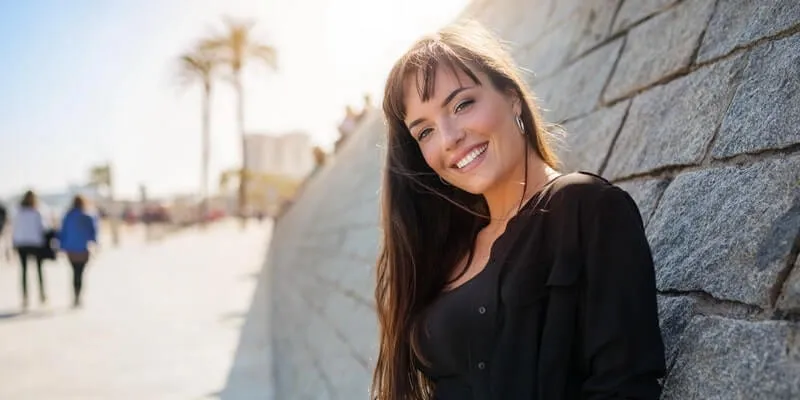
Every Spanish woman has dark hair and olive skin
This familiar Mediterranean image represents part of the population. Spain includes many hair colors, complexions, facial structures, and family backgrounds.
Spanish women are always passionate and outgoing
Expressive social culture does not produce one temperament. Introverted, calm, cautious, analytical, and private women are as Spanish as highly sociable women.
Every Spanish woman loves flamenco and fiestas
Flamenco has specific cultural roots, and festivals differ by region. A woman may value these traditions, enjoy them occasionally, or have little personal interest in them.
Late meals mean poor planning
Meal times and social schedules vary culturally, but people also organize life around work, family, and personal needs. Discuss timing instead of judging it through your own routine.
Spanish women only want local men
Relationship preferences are individual. Some women are open to an international relationship, while others prefer someone nearby. A profile and honest conversation reveal intent better than nationality.
Dating Spanish Women Online
When dating Spanish women, start with the individual profile. Mention a real interest, city, activity, profession, book, or travel detail she shared. Generic praise about Spanish beauty or passion sounds interchangeable and gives her little reason to answer.
Use online dating to establish a consistent exchange. Share enough about yourself to keep the conversation balanced. When mutual interest develops, live video chat can reveal tone, humor, and chemistry before either person discusses a visit.
- State whether you want casual conversation or a serious relationship.
- Respect a direct no and avoid repeated persuasion.
- Do not rank nationalities or compare your date with a stereotype of other women.
- Never send money because of urgency in a new online connection.
- Discuss language, distance, schedules, and travel costs honestly.
Serious interest becomes visible through reciprocity. She asks questions, remembers details, initiates some conversations, agrees to reasonable video calls, and helps make specific plans. No single action proves commitment, but a balanced pattern is more meaningful than intense compliments during the first week.
How a Relationship Becomes Serious
A connection usually becomes serious through repeated ordinary behavior. Both people make time, keep promises, repair misunderstandings, and become more honest about routines and limitations. A declaration of strong feelings can be sincere, but it does not replace the evidence created by several months of dependable communication.
Exclusivity should be discussed rather than assumed. Ask whether both people are still meeting others, what commitment means, and how much communication each person expects. One partner may enjoy daily contact while the other prefers fewer but longer conversations. The goal is not to choose a universal Spanish dating rule but to create a rhythm both people can sustain.
Conflict provides useful information. Differences in tone, timing, money, or family boundaries are normal. Healthy partners can explain what happened, listen without mockery, apologize when appropriate, and change a behavior. National culture may explain why a habit feels familiar, but it should never excuse insults, control, jealousy, or repeated broken promises.
International couples must eventually compare practical futures. Discuss careers, residence, language, children, family responsibilities, and the cost of regular visits before making relocation promises. These subjects can be approached gradually, but avoiding them indefinitely creates an online fantasy rather than a shared plan.
From a First Message to a Real Date
A strong first message is specific and easy to answer. If her profile mentions architecture, ask which place in Madrid or Barcelona she would show a visitor. If she enjoys cooking, ask about a dish connected with her family or region without assuming that cooking defines her role.
For Madrid, compare the current market in dating in Madrid today, practical expectations in how to date in Madrid, and venue ideas in where to meet women in Madrid. The guides to meeting women in Barcelona and meeting women in Valencia reflect two different coastal rhythms.
A cafe, walk, market, gallery, or relaxed meal often works better than an elaborate performance. Choose the plan together, confirm the place and time, and communicate early if anything changes. Discuss the bill naturally rather than turning it into a test of nationality or gender.
After the date, say clearly whether you would like to meet again. If the relationship is international, do not rush exclusivity or relocation. Compare communication needs, work, family plans, future visits, and where the relationship could realistically develop.
Explore Spanish Dating and European Culture

Appearance is only a starting point for getting to know someone. Readers interested in available profiles and practical dating information can continue to Spanish women online.
For a wider continental comparison, read European women features. The online international dating guide covers the complete path from profiles and messages to video, trust, safety, and a realistic meeting.
Frequently Asked Questions About Spanish Women
What do Spanish women look like?
Spanish women have diverse appearances. Dark hair and brown eyes are common in familiar Mediterranean imagery, but blonde, red, and light-brown hair, light eyes, fair complexions, and many facial structures also appear across Spain.
What are common Spanish women features?
Popular descriptions mention dark hair, brown eyes, defined brows, or olive skin, but these do not describe every Spanish woman. Facial shape, complexion, height, and personal style vary. Appearance cannot establish temperament or relationship preferences.
What are common Spanish female facial features?
Descriptions often mention defined brows, noticeable cheekbones, oval or angular faces, and brown eyes. These features also occur elsewhere, and many Spanish women have other combinations. No facial checklist can reliably identify a Spanish woman.
What are Spanish beauty standards?
Spanish beauty standards include different approaches to grooming, clothing, and presentation rather than one national ideal. Natural-looking makeup, bold evening looks, practical outfits, and formal styles coexist. Region, generation, occasion, and personal taste influence choices.
Is there a typical Spanish woman body type?
No. Spanish women have different heights, builds, and proportions. A population average cannot describe an individual, and nationality does not predict body shape, health, or dating preferences.
Are Spanish women family-oriented?
Family and close friendships can be important in Spanish life, but priorities differ by age, background, career, and personal goals. Ask an individual woman how family fits into the relationship she wants.
How should I start a conversation with a Spanish woman online?
Read her profile and mention a specific interest, place, activity, or opinion she shared. Ask one natural question and offer a related detail about yourself instead of using generic comments about beauty or passion.
Is video chat useful before meeting in Spain?
Yes. Several comfortable video conversations can help both people understand tone, identity, communication style, and chemistry before discussing travel. Video should be mutual and should never replace ordinary safety precautions.
What is a good first date with a Spanish woman?
A cafe, walk, market, gallery, or relaxed meal usually provides enough time for conversation without unnecessary pressure. Choose a plan together, confirm the details, arrive on time, and respect her preferred pace.
Conclusion
Spanish women features include broad regional diversity, many appearances, changing styles, varied communication habits, and individual relationship goals. Spain provides cultural context, but compatibility can only be learned through respectful questions, consistent behavior, and mutual effort.
Start a conversation around shared interests
Read currently available profiles and use dating chat to ask about something she chose to share. Mutual interest and realistic expectations matter more than fitting a national image.
 Start Live chat
 Send Message