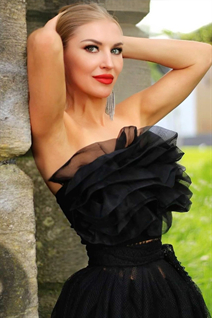
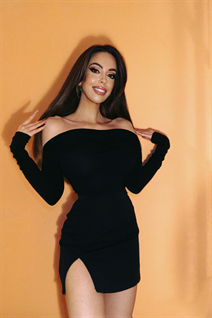
Latin Women: Appearance, Personality Traits, and Cultural Characteristics

Latin women are often discussed as if they belong to one single culture or look a certain way. In reality, Latin America is one of the most diverse regions in the world. Women from Colombia, Brazil, Mexico, Argentina, Venezuela, Peru, Chile, the Caribbean, and other Latin countries may have very different appearances, personalities, lifestyles, and cultural identities.
This guide is an informational overview of Latin women’s appearance, personality traits, style, and cultural characteristics. It is not a dating advice page. If you want relationship guidance, read dating Latin women. If you want to learn where to find profiles and how to start online communication, read how to meet Latin women online.
Explore Latin profiles and start meaningful conversations online
Why Latin Women Are So Diverse
Latin America includes many ethnic, cultural, and historical influences. Indigenous communities, European migration, African heritage, Asian migration, Caribbean culture, and local regional identities all shaped the way people look, speak, dress, and express themselves.
That is why it is inaccurate to describe all Latin women with one appearance or one personality type. A woman from Buenos Aires, Medellin, Mexico City, Rio de Janeiro, Caracas, Lima, or Santo Domingo may have completely different cultural references and lifestyle habits.
| Influence | How it affects diversity |
| Indigenous heritage | Visible in many regions through facial features, traditions, languages, and local identity. |
| European heritage | Common in countries such as Argentina, Uruguay, Brazil, Colombia, and Mexico in different forms. |
| African and Caribbean heritage | Strongly influences parts of Brazil, Colombia, Venezuela, the Caribbean, and coastal regions. |
| Urban lifestyle | Large cities often shape fashion, education, career goals, and modern social habits. |
| Regional identity | Local traditions, food, music, climate, and family life differ widely across countries. |
Latin Women’s Appearance: What to Know
There is no single “Latin look.” Latin women can have many different skin tones, hair textures, eye colors, body types, facial features, and fashion preferences. This variety is one of the main reasons Latin America is difficult to summarize with simple stereotypes.
Some women may have dark hair and brown eyes, while others may have lighter hair, green or blue eyes, curly hair, straight hair, or mixed features. Appearance often reflects regional history, family background, and personal style more than nationality alone.
- Latin women may have many different skin tones and ethnic backgrounds.
- Hair texture can range from straight to wavy to curly.
- Fashion style differs strongly between cities, climates, and lifestyles.
- Urban professionals may dress differently from women in smaller towns or coastal regions.
- Personal grooming and presentation can be culturally important, but not universal.
Appearance Differences by Region

Regional differences are important because Latin America is geographically and culturally broad. The table below gives a general overview, not a rulebook. Every country contains many internal differences.
| Country or region | Common diversity notes |
| Colombian women | Colombia has Andean, Caribbean, Pacific, Indigenous, European, and Afro-Colombian influences. |
| Brazilian women | Brazil is highly diverse, with European, African, Indigenous, Asian, and mixed heritage across regions. |
| Mexican women | Mexico includes strong Indigenous, European, regional, and urban cultural diversity. |
| Argentinian women | Argentina has strong European influence, especially in urban areas, alongside regional and Indigenous heritage. |
| Venezuelan women | Venezuela includes Caribbean, European, Indigenous, and Afro-Latin influences. |
| Latin women overall | The broader region includes many different languages, identities, appearances, and lifestyles. |
Common Personality Traits Associated with Latin Women
Some personality traits are often associated with Latin cultures, including warmth, expressiveness, sociability, and emotional openness. These traits can appear in family life, friendships, celebrations, and daily communication.
However, these should be understood as broad cultural tendencies rather than fixed personality rules. A Latin woman may be outgoing or quiet, traditional or modern, family-centered or highly independent, romantic or practical. Individual personality always matters more than a regional label.
| Trait often associated with Latin culture | Balanced interpretation |
| Expressive communication | Some people communicate warmly and openly, but others may be reserved or private. |
| Family connection | Family can be important, but the level of involvement differs by person and lifestyle. |
| Social confidence | Many cultures value social interaction, but not every woman enjoys large groups or nightlife. |
| Cultural pride | Food, music, language, and traditions may be meaningful parts of identity. |
| Emotional warmth | Warmth can be common in communication, but emotional style still varies individually. |
Family and Social Life
Family is often important in many Latin cultures. Parents, siblings, grandparents, cousins, and extended family may play a visible role in daily life, celebrations, holidays, and major decisions. This can shape how some women view relationships, community, and long-term planning.
Still, family values are not the same everywhere. A career-focused woman in a large city may have a different relationship with family traditions than someone from a smaller town. Some women may want strong family involvement, while others prefer more independence.
When family values matter to a relationship, ask how they work in her own life instead of assuming that relatives influence every decision. Personal boundaries and expectations differ even within the same country.
Style, Fashion, and Self-Presentation
Style is another area where Latin women are often stereotyped, but the reality is much broader. Fashion can depend on climate, city, profession, personality, age, and social environment. A woman in Rio de Janeiro may dress differently from a woman in Mexico City, Bogota, Buenos Aires, or Santiago.
In many urban Latin cultures, personal presentation can be important. This may include clothing, hair, makeup, fitness, accessories, or simply a polished everyday style. But it should not be reduced to vanity. Style can be a form of confidence, culture, creativity, or professional identity.
- Coastal cities may have more relaxed or colorful fashion habits.
- Business districts may encourage polished professional style.
- Creative neighborhoods may show more experimental self-expression.
- Traditional communities may prefer more modest or classic presentation.
- Personal style often reflects lifestyle, not just culture.
Language and Communication
Spanish is widely spoken across Latin America, while Portuguese is the main language in Brazil. Some regions also include Indigenous languages, English influence, French influence, Caribbean dialects, and local accents.
Language can strongly shape personality perception. A woman may seem more expressive in her native language than in English. A bilingual person may switch tone depending on context. This is why patience and cultural curiosity are important when communicating across languages.
When language levels differ, begin with a short profile-based message rather than slang or copied compliments. These first-message guidelines for international dating help keep the opening personal and easy to answer.
Education, Career, and Independence
Modern Latin women are not defined only by family or tradition. Many are university-educated, career-focused, entrepreneurial, creative, and globally connected. Large cities across Latin America have strong professional communities, international companies, universities, and digital work opportunities.
Because of this, Latin women may combine traditional cultural values with modern independence. Some may value family strongly while also prioritizing career growth, travel, education, and personal goals.
| Modern feature | What it may mean |
| Education | Many women pursue university studies, languages, and professional training. |
| Career goals | Work, business, and financial independence may be important. |
| Travel interest | Some women are open to international communication and cultural exchange. |
| Digital lifestyle | Social media, online dating, and video communication are common in many urban areas. |
Latin Women Are Not One Type
One of the biggest mistakes people make is treating “Latin women” as one simple category. The region includes many different identities, and each person has her own personality, family story, education, beliefs, and relationship expectations.
Better questions are:
- What country and region is she from?
- What language does she prefer?
- What role does family play in her life?
- What are her personal goals?
- How does she communicate emotionally?
- What kind of lifestyle does she want?
These questions lead to better understanding than stereotypes.
From Cultural Context to a Real Conversation
This page explains appearance, personality traits, and cultural characteristics. Once you understand that regional background is context rather than a personality template, the next step is a respectful conversation with an individual person.
| Communication stage | Useful next step |
| Starting a conversation | Use dating chat to ask about interests, daily life, and personal goals instead of testing cultural assumptions. |
| Confirming communication style | Move to live video chat when both people are comfortable enough to add voice, expressions, and real-time reactions. |
FAQ About Latin Women Features
What are Latin women usually known for?
Latin women are often associated with expressive communication, strong social connections, personal style, cultural pride, and close family ties, but every woman is different.
Do all Latin women look the same?
No. Latin America is very diverse, with Indigenous, European, African, Asian, Caribbean, and mixed cultural influences across different countries and regions.
What are common personality traits of Latin women?
Some common cultural tendencies may include warmth, sociability, emotional expression, family connection, and cultural pride, but personality always depends on the individual.
How do Latin women differ by country?
Brazilian, Colombian, Mexican, Argentinian, Venezuelan, and other Latin women may differ in language, lifestyle, style, traditions, family expectations, and cultural identity.
Are Latin women family-oriented?
Family can be important in many Latin cultures, but expectations vary by person, city, age, religion, lifestyle, and personal goals.
Where can I learn more about dating Latin women?
Use a relationship-focused guide when you want to understand communication and family expectations, and an online-meeting guide when you need practical help with profiles, opening messages, and early conversations.
Final Thoughts
Latin women are diverse in appearance, personality, lifestyle, and cultural background. Some may be expressive and family-oriented, others may be quiet, independent, career-focused, or highly modern. The most accurate way to understand Latin women is to recognize regional diversity and avoid reducing anyone to a stereotype.
Use this cultural background to ask better questions, not to predict a woman's character. A genuine profile, a personal opening message, and consistent two-way conversation reveal far more than any regional stereotype.
Browse profiles from Latin America and begin a respectful conversation with someone who shares your relationship goals
 Start Live chat
 Send Message