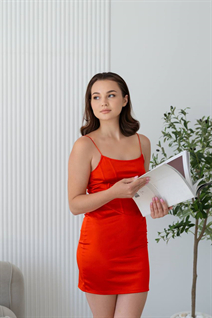
Dutch Women: Appearance, Style and Dating Culture
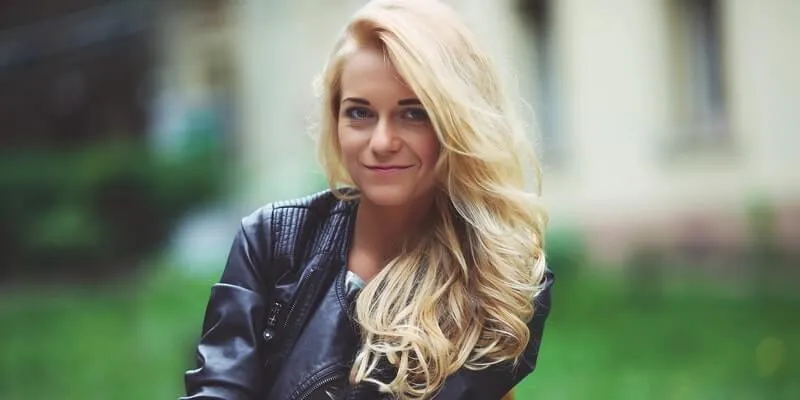
Dutch women features cannot be reduced to height, blonde hair, or a direct personality. The Netherlands is a diverse, urban, and internationally connected country. Appearance and lifestyle vary between families, generations, cities, and regions, while individual preferences matter more than a national image.
This guide explains what Dutch women look like, how communication and equality may influence dating, and which stereotypes should be left behind. It combines Dutch women appearance, personal style, cultural context, and practical relationship advice without treating broad tendencies as rules.
Explore dating beyond Dutch appearance
For local context, compare where to meet women in Amsterdam with where to meet women in Rotterdam. Registration below offers broader international dating, not guaranteed Dutch profile availability.
What Do Dutch Women Look Like?

The Netherlands is associated with taller average height, and many Dutch women are tall. That does not mean every Dutch woman has the same stature or body type. Height, build, complexion, hair, and facial structure vary widely, especially in a country shaped by regional movement and international migration.
Blonde or light-brown hair and blue, gray, or green eyes appear often in traditional Dutch imagery. Brown and black hair, darker eyes, and many skin tones are equally part of contemporary Dutch society. A useful description should recognize familiar regional patterns without presenting them as a beauty standard.
Dutch Facial Features and Physical Diversity

Searches for Dutch facial features often mention longer face shapes, defined cheekbones, straight noses, or stronger jawlines. These descriptions may appear in regional portraits, but none is exclusive to the Netherlands and none applies to the whole population.
| Feature | Common description | Useful context |
|---|---|---|
| Height | Dutch adults are often described as relatively tall | Individual height and body shape still vary considerably |
| Hair | Blonde, light brown, red, dark brown, or black | Modern Dutch appearance reflects many family backgrounds |
| Eyes | Blue, gray, green, hazel, or brown | Eye color says nothing about personality or compatibility |
| Complexion | Fair to dark, with many undertones | The Netherlands has a diverse contemporary population |
| Style | Practical layers, comfortable shoes, clean silhouettes | Fashion changes by city, profession, age, and personal taste |
Everyday Style and Dutch Beauty Standards

Cycling, walking, changing weather, and busy urban routines make practical clothing useful. Jeans, knitwear, rain-resistant outerwear, sneakers, boots, and layered outfits are common. Amsterdam, Rotterdam, The Hague, Utrecht, and smaller towns also have distinct fashion scenes, so convenience can coexist with luxury, streetwear, vintage style, or formal dressing.
Understated makeup and healthy-looking skin appear frequently in Dutch beauty imagery, but they are preferences rather than national rules. Some women enjoy minimal grooming, while others choose defined makeup, cosmetic treatments, or experimental fashion. Dutch women appearance is better understood through personal choices than through one standard of femininity.
City Life and Regional Differences in the Netherlands
Amsterdam has a large international population, busy tourism, creative industries, and an active app-based dating market. Rotterdam has its own modern, multicultural, and design-focused identity, while The Hague combines government, business, and international institutions. Utrecht's university life and compact center create another social rhythm.
Smaller cities and towns may offer tighter social circles and more recurring contact through work, sports, friends, or local events. That does not make local women less independent or more traditional. It simply means privacy, reputation, and introductions through existing networks may matter differently.
Regional context can explain schedules, transport, language use, and preferred activities, but it should not become a personality label. Ask where she feels at home and what she enjoys about the place. Her answer reveals more than assumptions about whether women from Amsterdam, the north, or the south behave in a certain way.
Dutch Women Traits and Communication Style

Dutch women traits are often discussed through directness, independence, equality, planning, and work-life balance. These ideas reflect recognizable social norms, but personality also depends on family, education, profession, age, and individual temperament.
Direct does not mean rude
A clear answer may be considered more respectful than vague politeness. If she disagrees or sets a boundary, respond to the content rather than treating honesty as hostility. Direct communication works best when both people remain considerate.
Equality and shared initiative
Either person may suggest a date, choose a place, pay, or define the next step. Do not assume that equality removes romance. Thoughtfulness, reliability, and attention still matter; the difference is that decisions are more likely to be discussed rather than assigned by gender.
Independence and personal schedules
Work, friends, family, hobbies, and private time may remain important inside a relationship. Constant messaging is not the only sign of interest. Look for mutual effort, kept plans, useful questions, and increasing openness over time.
Planning and practicality
Spontaneity can be welcome, but clear plans often make dating easier. Confirm the time and place, arrive when agreed, and communicate early if something changes. These small actions demonstrate reliability without exaggerated promises.
Dating Dutch Women Online
When dating Dutch women, begin with a profile that clearly shows your interests and intentions. A first message should refer to something specific she shared. Generic praise about blonde hair, height, or nationality may sound interchangeable and can reinforce stereotypes you are trying to avoid.
Start through online dating and establish a comfortable rhythm. If both people want a more natural conversation, use live video chat before discussing travel or commitment.
- Ask open questions and answer her questions honestly.
- Respect a direct no without negotiation or pressure.
- Do not compare Dutch women with Eastern European or Scandinavian women.
- Discuss expenses, schedules, distance, and intentions instead of guessing.
What serious interest can look like
A Dutch woman may show interest by making time in a planned schedule, suggesting a specific activity, introducing more personal subjects, or communicating directly about a second date. Frequent romantic language is not the only measure. Look for reciprocal effort and whether words match actions.
When a connection becomes more serious, discuss exclusivity instead of assuming it. People differ in how long they date before defining a relationship. The conversation can also cover communication frequency, personal space, holidays, family introductions, and expectations around shared expenses.
International couples need an additional practical layer. Before promising relocation, compare work options, residence requirements, language, housing, and the cost of repeated visits. Clear planning does not weaken affection; it helps determine whether the relationship can function beyond messages and short trips.
Test compatibility through ordinary conversation
Ask what a normal week looks like, how she spends free time, and what she expects from a partner when work becomes busy. Talk about friendships, travel, privacy, household responsibilities, and future goals without turning one call into an interview. Dutch directness can make practical subjects easier to discuss, but timing still matters. Mutual curiosity and comparable effort are better signals than immediate agreement on every topic.
Compatibility also includes the way both people handle disagreement. A clear difference of opinion does not need to become a contest. Listen, explain your position without exaggeration, and decide whether compromise is possible. Respectful disagreement often reveals more about a future relationship than polished flirting.
From Online Conversation to a Date
A good online connection becomes more specific over time. Conversations move beyond compliments toward routines, values, relationship history, future plans, and practical compatibility. Consistency matters more than intensity: a week of dramatic attention does not replace several months of dependable communication.
Choose a natural first date
Coffee, a walk, a museum, a market, or a relaxed meal can create room for conversation without unnecessary pressure. For local ideas, see where to meet women in Amsterdam.
Handle payment without performing a stereotype
You may offer to pay, suggest splitting, or ask what she prefers. The phrase "going Dutch" should not become a test of her nationality. A calm agreement is more attractive than turning the bill into a debate about gender or culture.
Keep the conversation balanced
A first date should not feel like an interview about the Netherlands or a debate about national differences. Share your own experiences, ask follow-up questions, and leave room for ordinary subjects such as work, travel, food, music, friendships, and weekend routines. Avoid turning directness into permission for intrusive questions about income, former relationships, marriage, or children before enough trust exists.
Humor and friendly disagreement can make the conversation lively, but notice how she responds. If a subject creates discomfort, change direction without demanding an explanation. Cultural curiosity is useful when it helps you understand her life; it becomes tiring when she is expected to represent every Dutch woman.
Judge progress through behavior
Useful signs include reciprocal questions, suggested plans, reliable replies, and willingness to discuss expectations. If communication remains one-sided, avoid pushing harder. Compatibility requires participation from both people.
After the date, a short message saying that you enjoyed the meeting is clearer than waiting several days to create mystery. If you want to meet again, suggest it directly. If either person is not interested, a respectful answer prevents unnecessary guessing.
Myths About Dutch Women

Every Dutch woman is tall and blonde
The familiar image exists for a reason, but it represents only part of the population. The Netherlands includes many appearances, ancestries, and body types.
Direct communication means a lack of emotion
Clarity can be a communication preference rather than emotional distance. Warmth may appear through reliability, shared time, practical care, and honest discussion.
Dutch women are unromantic or overly practical
Romance does not require unclear expectations or traditional roles. A planned date, remembered detail, sincere message, or shared experience can be both practical and affectionate.
All Dutch relationships follow the same rules
People differ in how they handle money, commitment, marriage, children, and personal space. National culture gives context, but direct conversation reveals the actual relationship.
Explore Dutch Dating and European Culture
For local apps, city differences, first-date norms, and offline meeting options, read the current guide to dating in the Netherlands today.
For broader regional appearance and culture, continue with European women features. This Dutch page remains focused on local traits and dating context rather than comparing women as better or worse by country.
Men living in the Netherlands can use the guide to international dating for Dutch men. Those comparing possible overseas directions can read the best countries for Dutch men to date.
The online international dating guide covers the complete path from profile and first message to video calls, trust, travel, and a realistic relationship.
FAQ
What are common Dutch women features?
Dutch women features are diverse. Popular descriptions often mention taller height, varied fair to medium complexions, blonde to dark hair, practical style, direct communication, and independence, but these tendencies do not define every Dutch woman.
What do Dutch women look like?
There is no single Dutch appearance. Women in the Netherlands have many ancestries, skin tones, hair colors, facial structures, heights, and body types. The familiar tall, blonde image represents only part of the population.
What are Dutch women like when dating?
Dutch dating often values direct communication, equality, personal independence, and shared initiative. Individual preferences still differ, so ask about expectations instead of assuming how a woman will behave because she is Dutch.
Do Dutch women prefer to split the bill?
Splitting or sharing expenses is common in the Netherlands, but it is not a mandatory rule. Discuss the plan naturally and be willing to contribute. Courtesy matters more than performing a stereotype about Dutch dating.
How can I meet Dutch women online?
Use a complete profile, write a message connected to her interests, and communicate consistently. If mutual interest grows, video chat can help both people understand chemistry and expectations before arranging a public first meeting.
Conclusion

Dutch women features include varied appearances, lifestyles, and personalities. Height, practical fashion, directness, and equality can be useful cultural reference points, but they cannot predict whether two people will be compatible.
Approach a Dutch woman as an individual: read her profile, communicate clearly, respect her independence, and let mutual effort guide the relationship.
Start a conversation around a genuine shared interest
Review available profiles for actual location and intentions. Clear communication matters more than assuming a particular Dutch personality.

 Start Live chat
 Send Message