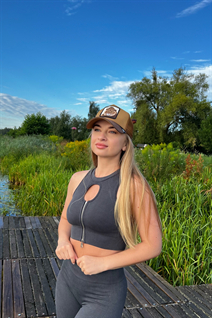
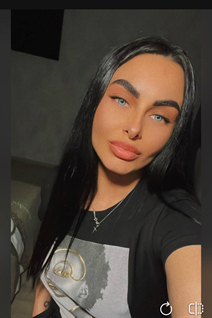
Norwegian Women Features: Looks, Personality, Lifestyle, and Dating Culture

Norwegian women features are often searched through a narrow Scandinavian stereotype: tall, blonde, athletic, and reserved. Some Norwegian women may fit parts of that image, but Norway is far more diverse than a single look or personality type. Modern Norwegian women live in large cities, coastal towns, mountain regions, student communities, international workplaces, and northern areas with strong Sámi cultural influence.
If you are wondering what Norwegian women look like, the short answer is natural, diverse, and often shaped by Nordic lifestyle: light or mixed hair colors, blue, grey, green, or brown eyes, practical fashion, outdoor habits, and calm self-presentation. A Norwegian woman may look classically Nordic, urban and international, Sámi, mixed-background, sporty, minimalist, or completely different from the stereotype.
This guide explains Norwegian women's appearance, personality traits, lifestyle, fashion, cultural identity, and relationship values without reducing them to clichés. It also connects these features with Norwegian dating culture, so men can understand the difference between visual stereotypes, real social norms, and relationship expectations.
Search language is not always grammatical or precise. Phrases such as “Norway women,” “Norwegians women,” “woman from Norway,” and “why are Norwegians so pretty” usually point to the same curiosity about appearance and culture. The useful answer is not a beauty ranking. It is a grounded look at population diversity, social context, and the choices an individual woman makes.
If you want to move from research to real communication, browse ladies online and start with profiles where interests, values, and relationship goals are visible before the first message.
Norwegian Women Features at a Glance
For a quick overview, Norwegian women are often associated with natural beauty, independence, practical elegance, outdoor confidence, and a communication style that can feel calm or reserved at first. Those traits are cultural patterns, not rules for every person.
| Feature area | Common association | What to remember |
| Appearance | Light hair, fair skin, blue or grey eyes, tall build | These traits are common, but Norway is much more diverse than the stereotype. |
| Style | Minimalist, practical, outdoor-ready, natural | Comfort and authenticity often matter more than heavy glamour. |
| Personality | Independent, honest, modest, equality-focused | Quiet communication does not always mean coldness or disinterest. |
| Dating culture | Low-pressure, private, equal, slow to define | Consistency and respect usually work better than dramatic gestures. |
Understand the dating context before choosing your next step
For local plans, read how to date in Oslo. If your search is international, browse available profiles and check location and relationship goals; this is not a Norway-only directory.
The Norwegian Look: Natural, Diverse, and Regionally Influenced
There is no single "Norwegian look." Many people associate Norwegian women with fair skin, light hair, blue or grey eyes, and tall height, and these traits can be common in parts of the country. But Norwegian appearance also reflects regional history, migration, modern urban life, and the Indigenous Sámi population in the north.
In Oslo, Bergen, Trondheim, Stavanger, and other cities, you can meet women with many different ethnic backgrounds, hair colors, facial features, and style preferences. Some women have classic Nordic features, while others have darker hair, mixed heritage, or a more global urban look. This is why "Norwegian woman" should be understood as a cultural and national identity, not one fixed face shape.
| Appearance factor | Balanced explanation |
| Hair color | Blonde and light brown hair are common, but darker hair and dyed styles are also normal. |
| Eye color | Blue, grey, and green eyes are common, but Norway is not limited to one eye color. |
| Height and build | Many Norwegian women are relatively tall, but body type varies widely by individual. |
| Skin tone | Fair skin is common, but modern Norway includes many different skin tones and backgrounds. |
| Regional identity | Coastal, urban, northern, southern, and Sámi influences all shape appearance and lifestyle. |
Facial Features and Natural Beauty Standards
Norwegian beauty standards usually value natural presentation, healthy skin, practical style, and confidence without excessive display. The idea of beauty in Norway is often closer to "healthy and authentic" than heavily polished or artificial.
Some Norwegian women have high cheekbones, defined facial structure, light eyes, and minimal makeup styles often associated with Scandinavian appearance. Others have softer facial features, darker hair, brown eyes, or mixed regional influences. The phrase Norwegian women features should describe a range, not a narrow beauty checklist.
Natural presentation is common because Norwegian lifestyle is shaped by weather, outdoor activity, and practical daily routines. A woman may prefer a simple hairstyle, warm clothes, and minimal cosmetics not because she lacks style, but because comfort and authenticity matter.
Height and Body Proportions
Norwegian women are frequently described online as averaging 168–173 cm. That range is useful only as a broad lifestyle shorthand, not as an official national average. Statistics Norway reported that women in its 2024 conscript data averaged 166.8 cm. Regional figures in the same source ranged from about 164.3 cm in Finnmark to 167.3 cm in Agder. Samples, ages, measurement methods, and publication dates explain why different pages show different numbers.
The practical conclusion is simple: many women from Norway are relatively tall by global standards, but height varies substantially. Long legs, balanced proportions, and athletic posture may contribute to the familiar Nordic image, yet petite, curvy, muscular, and fuller body types are equally Norwegian. Outdoor activity can influence fitness, while genetics, occupation, health, age, and preference all matter.
Dating content should not turn an average into a requirement. A number says nothing about warmth, compatibility, or relationship goals. When describing a real person, use the information she chooses to share rather than estimating her body from nationality.
Norwegian Facial Structure
Queries for “what does a Norwegian look like” or “Norwegian facial features female” often expect one diagram. No such face exists. Among majority-background Norwegians, oval or softly angular faces, high or visible cheekbones, fair complexions, light eyes, and straight or narrower nose profiles may appear often. Jawlines can look defined, especially when makeup and styling remain minimal.
These observations describe recurring traits, not biological boundaries. Norway's population includes Sámi women, long-established national minorities, adopted Norwegians, immigrants, and children of mixed families. Brown eyes, dark curls, warmer skin tones, round faces, broader noses, and many other features belong to modern Norwegian identity. Even siblings can differ noticeably.
Expression changes appearance as much as bone structure. Reserved eye contact during a first introduction may become animated among friends. Weather, daylight, sleep, skincare, and outdoor exposure affect how skin appears. A photograph captured in summer light cannot define how a woman looks throughout the year.
Norwegian Beauty Standards
Norway beauty standards often emphasize health, clean skin, natural hair, practical fitness, and an appearance that does not seem overworked. Minimal makeup may include light foundation, mascara, brows, and neutral lip color. At work or during the day, understated presentation can signal confidence rather than a lack of effort.
Norwegian beauty standards also reflect climate and daily movement. Moisturizer, sun protection, protective winter products, quality outerwear, and comfortable footwear can matter more than decorative trends. City nightlife, celebrations, media, and fashion communities naturally allow more dramatic looks. There is no rule that Norwegian women reject glamour.
The phrase “why are Norwegians so pretty” often mixes ancestry with lifestyle. Diverse genetics may shape visible traits, while outdoor activity, public health, grooming, and self-assured posture influence the total impression. Beauty remains subjective. A respectful compliment should focus on the individual and then make room for a real conversation.
Style, Fashion, and Self-Presentation
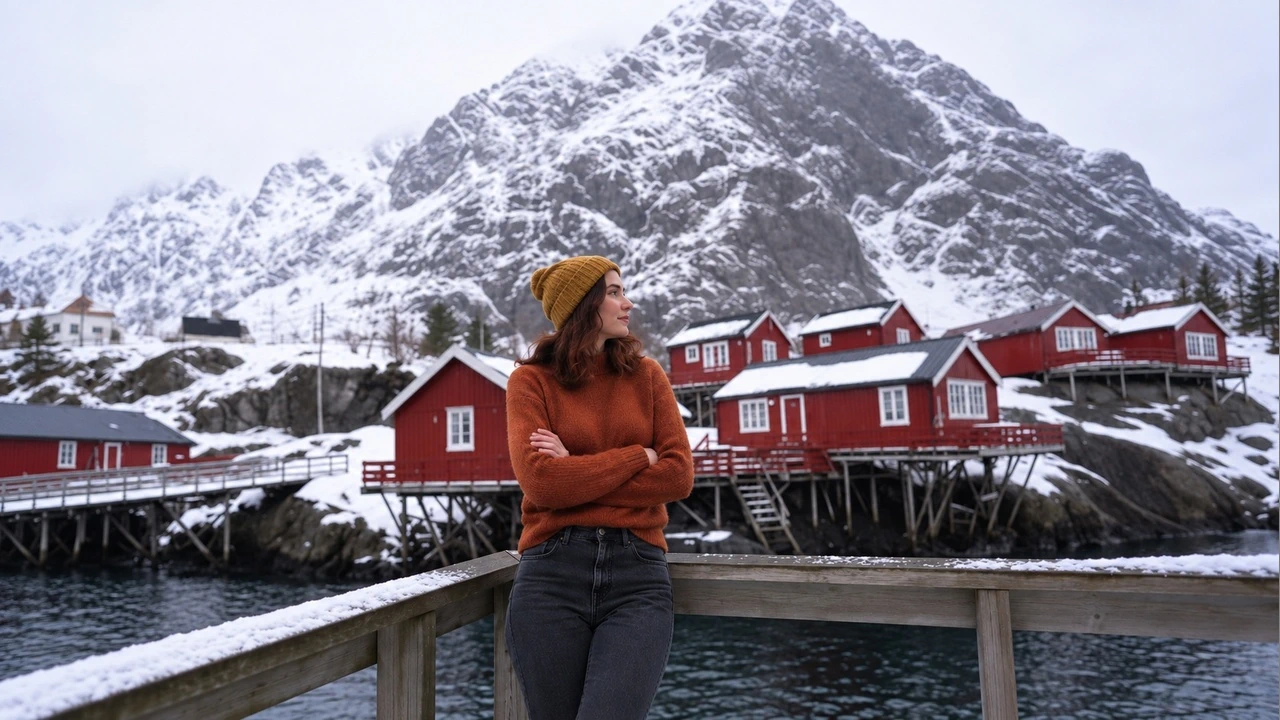
Norwegian fashion is practical, clean, and often minimalistic. Weather matters a lot. Rain, snow, wind, and cold temperatures make layering, wool, waterproof jackets, boots, and comfortable shoes normal parts of everyday style.
At the same time, Norwegian women can be stylish in a quiet way. Many prefer quality fabrics, simple colors, functional cuts, and natural details. In cities such as Oslo and Bergen, fashion may also include modern Scandinavian minimalism, streetwear, vintage pieces, and outdoor-inspired clothing.
- Everyday style: jeans, wool sweaters, sneakers, boots, warm coats, and practical layers.
- Urban style: minimalist outfits, clean lines, neutral colors, and subtle accessories.
- Outdoor style: hiking clothes, technical jackets, warm base layers, and comfortable footwear.
- Traditional elements: the bunad remains important for national celebrations, weddings, confirmations, and cultural events.
- Beauty habits: many women prefer healthy skin, natural makeup, and simple hair routines.
The result is a style culture where comfort and elegance can exist together. Norwegian women often look confident because their appearance fits their lifestyle rather than trying to impress constantly.
Norway, Equality, and Modern Lifestyle Context
Norway is known for high living standards, strong gender equality, and a lifestyle shaped by nature, work-life balance, and social trust. For broader country context, official demographic and social data is available through Statistics Norway, while travel and cultural context can be explored through Visit Norway.
This context matters because Norwegian women should not be understood only through appearance. Education, independence, equality, outdoor culture, regional identity, and personal lifestyle all shape how people present themselves and build relationships.
Equality affects ordinary expectations. A date may assume that both people can suggest plans, travel independently, manage money, and discuss domestic work directly if a relationship becomes serious. Offering kindness is welcome; presenting control as protection is not. Paying for a first coffee can be generous, but it should not create an obligation or become a test of femininity.
Modern lifestyle also includes demanding careers, long travel distances, housing costs, and carefully protected leisure time. A slow reply may mean work, family, training, or an outdoor weekend rather than strategic game-playing. Ask about communication preferences instead of monitoring availability. Independence works best with reliability: keep promises, arrive when agreed, and explain changes early.
Norway is multicultural, and equality is an aspiration expressed through institutions as well as a subject of continuing debate. Women differ in politics, faith, family structure, and ideas about gender. Cultural context can guide your manners, but it cannot replace a personal conversation.
Personality, Lifestyle, and Values
Norwegian women are often associated with independence, honesty, equality, modesty, and a strong connection to nature. These are cultural tendencies, not personality rules. A Norwegian woman may be quiet or outgoing, traditional or modern, career-focused or family-focused, highly social or private.
| Trait often associated with Norwegian culture | Balanced interpretation |
| Independence | Many women value personal freedom, career goals, and emotional autonomy. |
| Equality | Relationships often work best when both partners respect equal decision-making. |
| Honesty | Communication may be direct, calm, and practical rather than overly emotional. |
| Modesty | Janteloven and Nordic social norms can make bragging or showiness feel uncomfortable. |
| Love of nature | Outdoor life, walking, hiking, skiing, and cabin trips are important to many people. |
These values shape social life and relationships. Many Norwegian women appreciate reliability, calm confidence, respect for boundaries, and a partner who understands work-life balance. If you are reading this from a dating perspective, it helps to study dating in Norway today before assuming that reserved signals mean rejection.
Friendship circles may be established, especially outside large student or international communities. Joining a club, volunteer activity, course, or sports group can produce more natural contact than repeated cold approaches. The purpose should remain genuine participation. Familiarity grows when people see that you are dependable and interested in the activity itself.
Modesty is another useful concept. Constant self-promotion, name-dropping, or comparisons of salaries can feel tiring. Speak confidently about your life, but leave room for questions and disagreement. Humor may be dry or understated, so do not assume a calm reaction means that a joke failed.
Outdoor Lifestyle and Friluftsliv
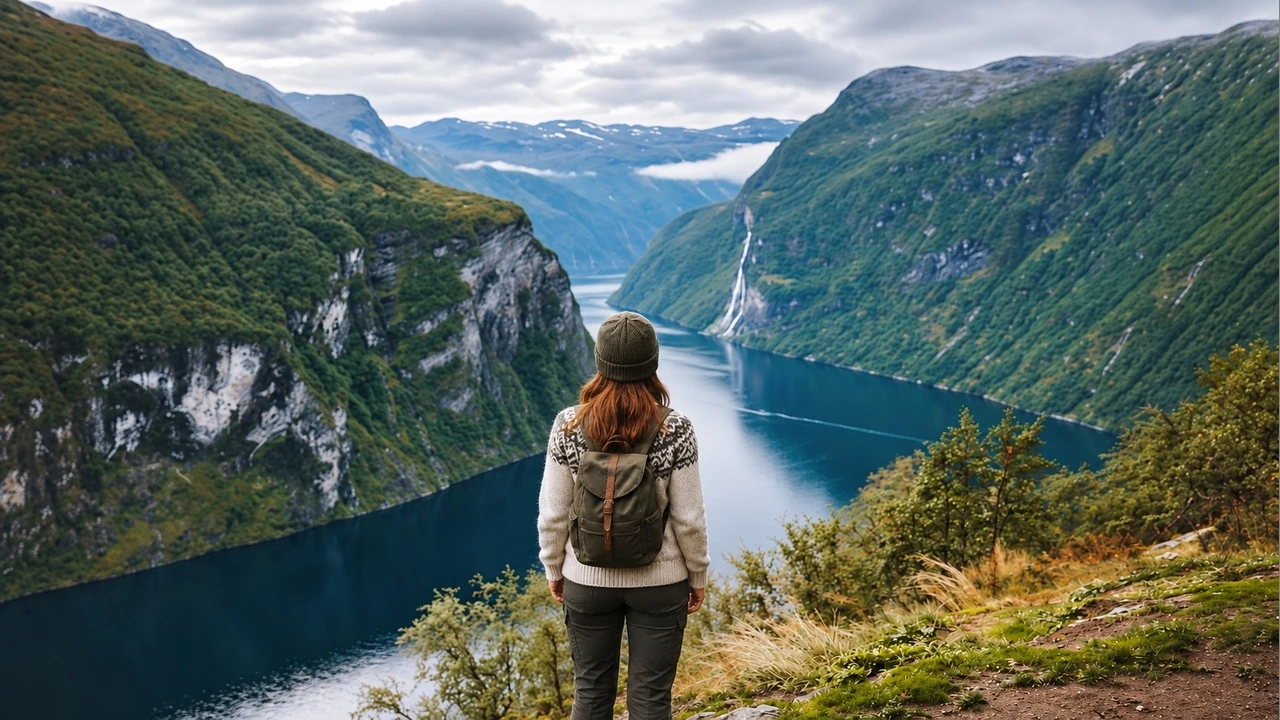
Outdoor life is one of the strongest parts of Norwegian culture. The idea of friluftsliv, or open-air living, influences weekends, holidays, friendships, family routines, and dating. Many people spend time hiking, skiing, walking near the fjords, visiting cabins, swimming, or simply being outside.
This does not mean every Norwegian woman is a skier or mountain athlete. It means nature is culturally close. Even people who live in cities often value access to parks, forests, coastlines, and outdoor weekends.
For relationships, this often means that simple plans can feel natural: a walk, a coffee after a hike, a weekend cabin trip, or a quiet evening near the water. Norwegian lifestyle often values shared comfort more than dramatic performance.
Friluftsliv is broader than difficult expeditions. It can mean walking the dog, collecting berries, sitting outside, swimming, skiing, or spending an afternoon in a hammock. Official Norwegian travel material describes it as open-air life available across ages and fitness levels. This wider meaning prevents the stereotype that every woman must be an elite athlete.
For an early date, choose an accessible route and discuss clothing, weather, distance, and transport. Do not invite someone you barely know to an isolated cabin. Public walks and organized groups are safer beginnings. If she prefers concerts, cooking, gaming, or indoor culture, respect that choice; national tradition is not a personal obligation.
Stereotypes vs Reality
Stereotypes about Norwegian women often mix real cultural patterns with oversimplified ideas. A better approach is to understand common social tendencies while still treating each person as an individual.
| Stereotype | More accurate view |
|---|---|
| All Norwegian women are tall blondes with blue eyes | These traits can be common, but Norway includes many appearances, backgrounds, and regional differences. |
| Norwegian women are cold | Many people are reserved at first, but that often reflects privacy and personal space, not lack of warmth. |
| All Norwegian women love skiing | Outdoor life is important, but hobbies differ. Some prefer gyms, cafés, art, travel, music, or city life. |
| Norwegian women are only career-focused | Many value career and independence, but family, friendships, and work-life balance also matter. |
| Norwegian women are difficult to impress | They may simply prefer sincerity, equality, and calm confidence over exaggerated gestures. |
Cultural, Regional, and Sámi Influences
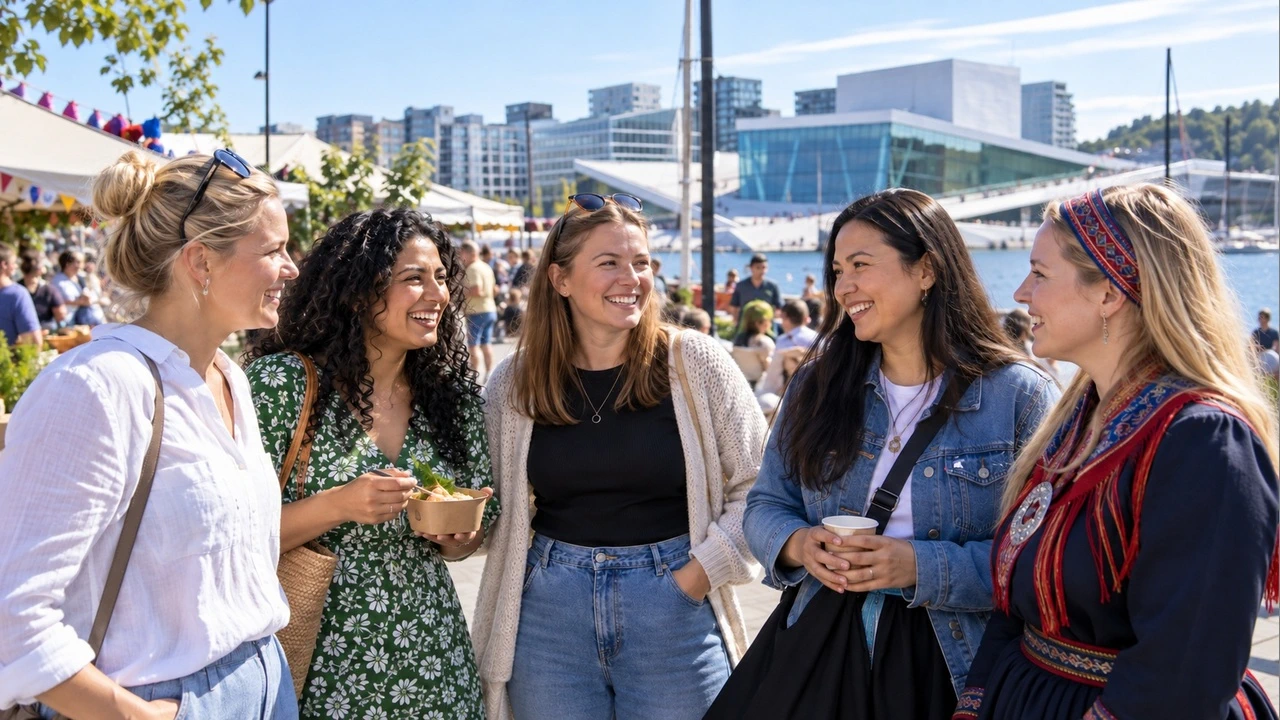
Norway is geographically long and culturally varied. The south, west coast, inland areas, northern regions, and larger cities all have different lifestyles. Oslo is more international and urban, Bergen is coastal and cultural, Trondheim has a strong student and technology environment, while northern Norway has its own rhythm, climate, and traditions.
The Indigenous Sámi population is an important part of Norway's cultural identity, especially in northern regions. Sámi culture, language, clothing traditions, and family heritage add another layer of diversity to Norwegian identity. Any serious description of Norwegian women should include this diversity rather than presenting one uniform national type.
| Region or influence | How it may shape lifestyle |
| Oslo | International, career-focused, app-driven, and urban. |
| Bergen and the west coast | Coastal culture, rain, music, students, and strong local identity. |
| Trondheim | University life, technology, and student social circles. |
| Northern Norway | Stronger seasonal contrast, Sámi influence, and close relationship with nature. |
| Modern migration | Norway's cities include women with many ethnic and cultural backgrounds. |
Norwegian Women and Relationships
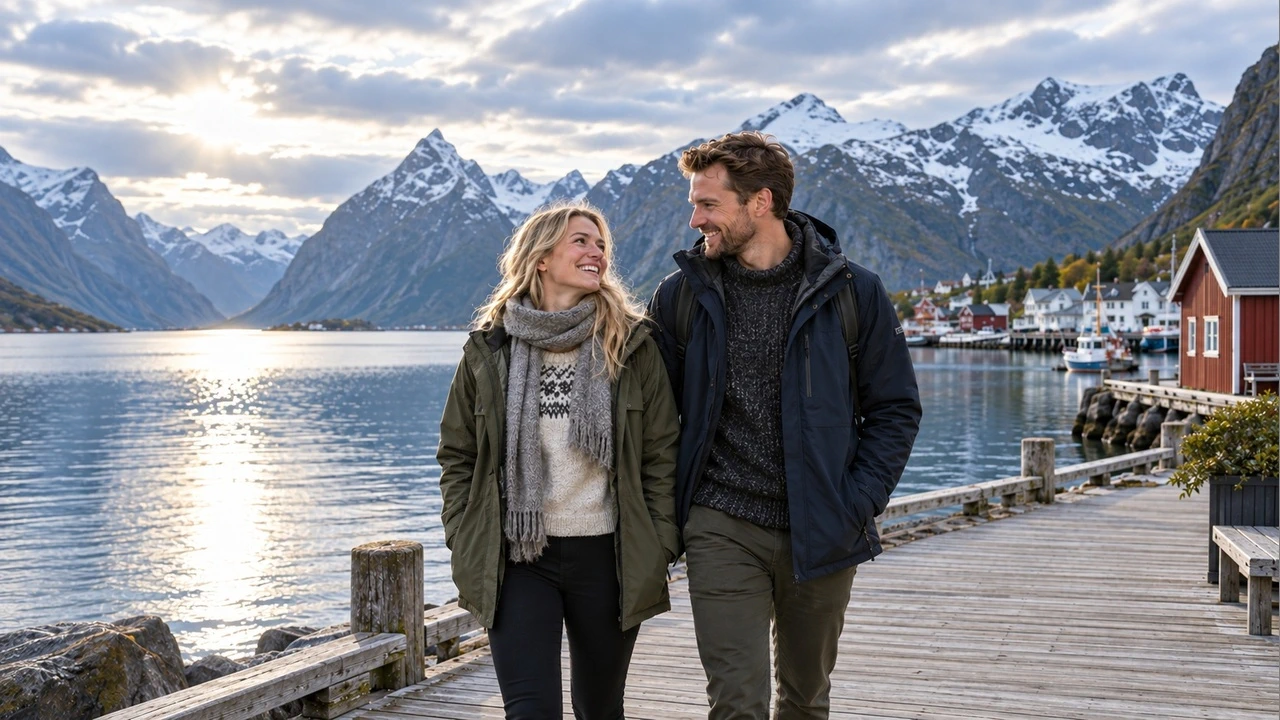
Norwegian relationships are often shaped by equality, privacy, honesty, and realistic expectations. Many women appreciate partners who respect independence rather than trying to control the relationship dynamic.
In dating, this means that overly intense compliments, pressure, or dramatic romantic gestures may feel uncomfortable. Calm sincerity often works better. A respectful conversation, shared activity, or simple plan can feel more natural than a highly staged date.
When communication begins online, dating chat works best if the tone is calm, specific, and not too intense. If trust grows, live video chat can help both people understand humor, comfort, and natural chemistry before making plans.
If you live in or near the capital, use how to date in Oslo and where to meet women in Oslo for local context.
Men living in Norway who are comparing local dating with international options can also read international dating for Norwegian men.
For men based in Norway, the guide to long-distance relationships for Norwegian men explains time zones, travel expectations, and communication rhythm.
Dating Norwegian Women Online
Dating Norwegian women online works best when the first message feels calm, specific, and respectful. Many Norwegian females are used to direct but low-pressure communication, so a natural question about interests, travel, nature, music, food, or daily life usually works better than exaggerated compliments.
If you are comparing profiles, focus on the person rather than the stereotype of a Norwegian girl. Read what she says about lifestyle, work, family, travel, and relationship goals. Then use ladies profiles or online dating tools to choose a conversation that fits her actual interests.
| Dating step | Better approach |
| First message | Mention one real profile detail and ask a simple question she can answer naturally. |
| Early chat | Keep the tone relaxed, avoid pressure, and let trust grow through consistency. |
| Video stage | Suggest video only after text communication feels comfortable for both people. |
| Serious interest | Talk openly about distance, expectations, family values, and long-term plans. |
What to Understand Before Dating a Norwegian Woman
A plan should fit her actual routine. If she mentions outdoor activities, ask which she enjoys rather than assuming she hikes every weekend. Suggest a specific meeting or call with room to decline. Reserve, fluent English, or enthusiasm for travel does not establish romantic interest; look for reciprocal effort.
Dating advice should never reduce Norwegian women to rules. Still, understanding cultural expectations can help prevent misunderstandings.
- Respect equality: many women expect mutual effort, shared decisions, and equal respect.
- Do not overdo compliments: sincerity usually works better than exaggerated praise.
- Respect personal space: privacy is important in Norwegian social culture.
- Be punctual: reliability and respect for time matter.
- Keep communication clear: direct but calm communication is often appreciated.
- Understand outdoor culture: nature and simple activities may be part of social life.
- Avoid stereotypes: every woman has her own lifestyle, goals, and personality.
Related Scandinavian Reading
This page focuses specifically on Norwegian women. For a broader Nordic comparison, read Scandinavian women features, which gives more context on appearance, culture, and personality traits across the region.
For current relationship norms, continue with the diagnostic guide to why dating is hard in Norway, which explains small dating pools, reserved communication, geography, and app fatigue.
If reserved communication feels confusing, compare it with why Scandinavian dating feels cold and how to build trust with Scandinavian women.
If you are a man based in Norway considering partners abroad, compare international dating for Scandinavian men with best countries for Norwegian men to date.
FAQ About Norwegian Women
What are Norwegian women usually known for?
Norwegian women are often associated with natural style, independence, outdoor lifestyle, equality, calm communication, and strong personal boundaries, but every woman is different.
Do all Norwegian women look the same?
No. Norway is diverse. While light hair and blue or grey eyes are common in many regions, Norwegian women can have many different hair colors, skin tones, body types, and cultural backgrounds.
What are common personality traits of Norwegian women?
Common cultural tendencies may include independence, honesty, modesty, love of nature, direct communication, and respect for equality, but personality depends on the individual.
Are Norwegian women family-oriented?
Many Norwegian women value family, but they also often value personal independence, career goals, and work-life balance. Family expectations vary by person.
What makes Norwegian dating culture different?
Norwegian dating culture often feels calm, equal, low-pressure, and privacy-focused. People usually appreciate honesty, personal space, and natural communication.
What should men know before dating Norwegian women?
Men interested in dating Norwegian women should understand equality, personal space, calm communication, punctuality, and natural relationship pacing. Respect matters more than exaggerated compliments.
Where can I learn more about dating in Norway?
For relationship-focused advice, use dedicated Norway dating and Oslo city guides when those pages are available.
What height are Norwegian women on average?
Statistics Norway reports an average of 166.8 cm for women in its 2024 conscript data. The 168–173 cm range seen on some lifestyle pages describes many taller women but should not be presented as the official national average.
What do Norwegian facial features typically look like?
Light eyes, fair skin, oval faces, visible cheekbones, and straight or narrow nose profiles may be common among some backgrounds. There is no single Norwegian face: Sámi, regional, immigrant, mixed-family, and individual features make the population diverse.
What are Norwegian beauty standards?
They often favor healthy skin, natural hair, practical fitness, minimal makeup, and understated Scandinavian clothing. These are broad tendencies rather than rules, and preferences vary across cities, age groups, professions, and individuals.
Conclusion
Norwegian women cannot be described through one look, one personality type, or one stereotype. Some have classic Nordic appearance, others reflect modern urban diversity, Sámi heritage, migration, or regional identity. Some are quiet and private, others are outgoing and globally minded.
The best way to understand Norwegian women is to look at the full picture: natural style, equality, independence, outdoor lifestyle, modesty, honesty, and individuality. These traits can help explain cultural patterns, but the person in front of you always matters more than the category.
Start a conversation that respects both schedules
Describe what you are looking for, ask about an actual shared interest, and give the other person room to respond. Choose profiles by compatibility rather than expecting a particular Norwegian personality.
 Start Live chat
 Send Message