Dating in the Netherlands Today: Culture, Apps, and Real Connections

Dating in the Netherlands today combines app-based discovery, active social lives, compact cities, international communities, and a communication style that can feel refreshingly clear or unexpectedly reserved. There is no single Dutch dating script. A student in Groningen, a professional in Amsterdam, a parent in Eindhoven, and an expat in The Hague may have completely different expectations.
The most useful approach is practical: understand the local setting, make a clear invitation, respect independence, and pay attention to reciprocal effort. This page explains the Dutch dating scene itself. For appearance and cultural context, read Dutch women: appearance, style, and dating culture. Dutch men considering relationships abroad should use the separate international dating guide.
Meet relationship-minded women online and start with a genuine conversation
What the Dutch Dating Scene Looks Like
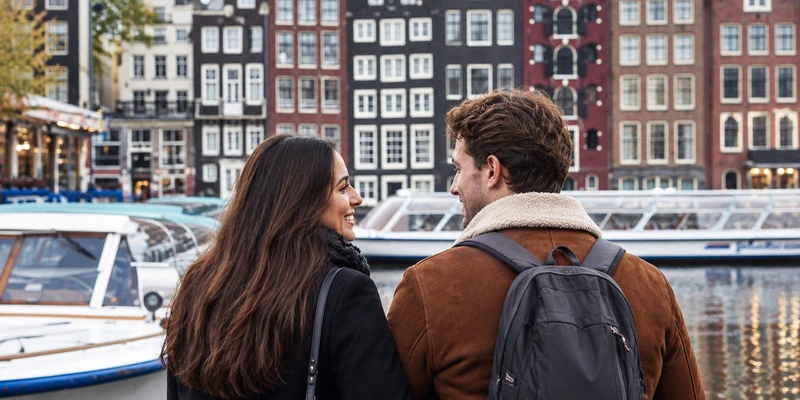
The Dutch dating scene is broad rather than uniform. Apps may introduce people who would not meet through their existing circles, while work, universities, sports, festivals, neighborhood events, and mutual friends still create many connections. The country is geographically compact, but travel time, work schedules, and social routines still influence who actually meets.
Independence is often visible. Many singles maintain established friendships, hobbies, careers, and separate homes. A new relationship may be expected to fit into a full life instead of immediately replacing it. This can make early dating feel measured, but it also gives both people space to evaluate compatibility.
Clear intentions help. Someone may be open to a serious relationship without wanting rapid exclusivity. Another person may prefer casual dating. Ask rather than interpreting a friendly conversation, a kiss, or frequent messages as an agreement that has not been discussed.
Direct Communication Is Useful, Not a License to Be Rude
Dutch communication is often described as direct. In dating, that may mean a straightforward invitation, an honest answer about availability, or a clear statement that chemistry is missing. For people used to indirect hints, this can feel abrupt. In many cases, the intention is efficiency rather than hostility.
Directness works best with warmth. "Would you like coffee in Utrecht on Saturday afternoon?" is clearer than weeks of vague chat. "I enjoyed meeting you, but I do not feel a romantic match" is more respectful than disappearing. Clarity should never become pressure, mockery, or disregard for boundaries.
Not every Dutch person communicates this way, and international residents may use different norms. Observe the individual. If a message seems ambiguous, ask a calm follow-up instead of assigning it a national explanation.
Dating Apps Expand Choice but Do Not Guarantee Progress
Dating apps make discovery easier, especially in larger cities and among people with busy schedules. Different services emphasize broad matching, profile prompts, location, or relationship goals, but the basic challenge remains the same: a match must become a real conversation and eventually a meeting.
A useful profile gives others something to answer. Include current photos, a few specific interests, your city or realistic travel radius, and what kind of connection you want. Avoid a list of demands or generic claims about loving travel and good food.
After matching, refer to one detail from the profile and ask one natural question. If conversation is reciprocal, suggest a simple date instead of maintaining indefinite messages. If answers remain minimal or plans are repeatedly avoided, reduce your investment rather than trying to perform harder.
Where to Meet Dutch Singles Offline
Offline dating often works through repeated contact. Sports clubs, running groups, climbing gyms, dance classes, volunteer projects, language exchanges, professional events, cultural venues, and neighborhood activities let people become familiar before deciding whether interest is romantic.
Cafes and bars can work, but context matters. Interrupting a stranger who is working, wearing headphones, or clearly engaged with friends may be unwelcome. Social events designed for interaction give both people an easier reason to talk.
Recurring activities are particularly useful. Seeing the same people over several weeks reduces the pressure of a cold approach and gives you real information about personality. The goal is not to join a club only to collect dates; choose an activity you would still enjoy without a romantic result.
Amsterdam Dating: Large Pool, Fast Turnover
Amsterdam offers a large and international pool of singles. English is commonly usable in many social and professional settings, and new residents continually enter the city. That variety creates opportunity, but it can also produce choice overload and temporary connections.
Busy calendars, tourism, expensive housing, and frequent travel can make consistency difficult. Ask how long someone expects to remain in the city and whether your relationship goals align. A promising match who plans to leave in two months may still be worth meeting, but the situation should be understood honestly.
Choose date locations that support conversation and are convenient for both people. A neighborhood cafe, walk, museum, or relaxed public venue often works better than an elaborate plan that requires crossing the entire city during a busy period.
Rotterdam, Utrecht, The Hague, and Other Cities
Rotterdam has an international, modern, and working-city character with neighborhoods that feel different from Amsterdam's tourist center. Utrecht's compact center and large student and professional population can make casual meetings practical. The Hague combines government, international organizations, expat communities, and coastal life.
Eindhoven has a strong technology and international professional presence. Groningen and other university cities may have younger and more mobile dating pools. Leiden, Delft, Haarlem, Maastricht, and smaller cities offer their own mix of local networks, students, commuters, and international residents.
Do not assume that a short distance on the map makes every connection convenient. Compare train schedules, cycling routes, late-evening transport, and work patterns. A sustainable relationship needs meetings that both people can repeat without one person doing all the travel.
How to Ask Someone on a First Date
A good invitation is specific and easy to decline: suggest an activity, place, and approximate time. Offering two options can help when schedules are busy. Avoid creating a high-cost or highly romantic event before basic chemistry has been established.
Coffee, a walk, a casual drink, a market, or a short cultural activity can provide enough time to talk without trapping either person in a long evening. Confirm the plan on the day and arrive when agreed. Punctuality communicates respect, although transport disruptions can happen.
If the first meeting goes well, say so and suggest another activity. If it does not, a brief and honest message is enough. Neither person owes continued dating because the conversation was pleasant.
Paying, Planning, and Independence
Splitting the bill or paying separately is common enough that it should not be treated as rejection. One person may still offer to pay, especially after making the invitation. The simplest approach is to handle the moment naturally and accept the other person's preference without turning it into a test.
Planning effort should also be reciprocal. If one person always chooses the venue, travels, initiates messages, and follows up, the imbalance matters more than who paid for coffee. Healthy independence includes the ability to contribute time, attention, and practical effort.
Do not use stereotypes about Dutch frugality to judge an individual. Financial compatibility becomes important later, but one bill cannot reveal someone's generosity or seriousness.
English, Dutch, and Expat Dating
Many international residents can date in English, particularly in larger cities, universities, and global workplaces. That does not mean language never matters. Dutch may become important for local friendships, family interaction, administration, and a sense of belonging.
If you are an expat, be clear about how long you expect to stay. Temporary residents and established locals may approach commitment differently because relocation risk is real. Learning Dutch can show that you are investing in life beyond a short assignment, but language study should not be used as a romantic performance.
Mixed-language couples should decide how to handle group conversations and family meetings. The partner who speaks both languages should not be responsible for translating every interaction indefinitely.
Why Some Singles Feel Stuck
A large pool can produce shallow browsing rather than better choices. People may maintain several chats, delay meetings, or abandon a promising connection because another profile appears. Others use apps inconsistently and then conclude that the entire market is unavailable.
Reduce the number of active conversations and give compatible matches enough attention to develop. Improve prompts and photos, widen the radius only when travel is realistic, and move to a simple meeting after mutual interest appears.
Offline routines can also become closed. If work, friends, and hobbies involve the same small group, add one recurring activity that brings you into contact with new people. The objective is not constant dating; it is creating more natural opportunities.
Safety and Boundaries in Dutch Online Dating
Meet in public, arrange your own transport, tell someone where you are going, and protect financial and account information. Do not send money or documents because of an urgent story. A local-looking profile can still be misleading, and an international profile is not automatically suspicious.
Use voice or video when identity or intentions remain unclear. Review how to verify a dating profile and recognize red flags in online dating chats. Respect the same precautions when the other person uses them.
Consent applies throughout the date. Direct communication makes boundaries easier to state, but silence or politeness is not agreement. A respectful person responds well to a clear no.
When Dutch Singles Look Beyond Local Dating
Some people expand internationally because they have cross-cultural experience, speak multiple languages, travel often, or meet a compatible person abroad. Others feel frustrated locally and imagine that another country will remove dating difficulties. Geography can widen the pool, but it does not remove the need for compatibility and trust.
Dutch men exploring this direction can use international dating for Dutch men as the main strategy page, compare countries for Dutch men to date, and review the likely international dating costs.
International dating should be a positive choice, not an argument against Dutch women or the local dating scene. Avoid promises based on nationality and evaluate one person at a time.
FAQ About Dating in the Netherlands Today
What is dating in the Netherlands like today?
Dating in the Netherlands is varied, but many people value independence, clear communication, manageable plans, and respect for personal schedules. City, age, lifestyle, and relationship goals matter more than a single national dating rule.
Where can singles meet in the Netherlands?
Singles meet through dating apps, friends, work and study networks, sports clubs, cultural events, language exchanges, volunteer groups, cafes, and recurring local activities. The best setting is one where conversation can develop naturally.
Are Dutch people direct when dating?
Direct communication is common, but individuals differ. A clear invitation or honest answer may be intended as practical rather than cold. Directness still needs tact, consent, and attention to how the other person communicates.
Who usually pays on a date in the Netherlands?
There is no universal rule. Splitting the bill or paying separately is common, while one person may also offer to pay. Discuss it naturally instead of using payment as a test of affection or gender roles.
Is dating in Amsterdam different from other Dutch cities?
Amsterdam has a large, mobile, and international dating pool, but busy schedules and temporary residents can make consistency harder. Rotterdam, Utrecht, The Hague, Eindhoven, Groningen, and smaller cities each have different social rhythms.
Can Dutch singles build serious relationships through online dating?
Yes. Online dating can lead to serious relationships when profiles are honest, communication is reciprocal, video or voice confirms comfort, and both people move toward realistic meetings instead of maintaining endless chat.
Build Better Connections in the Netherlands
Dating in the Netherlands today works best when people combine clarity with patience. Apps can introduce you, cities can create opportunity, and direct communication can reduce confusion, but none of those elements replaces mutual interest.
Keep your profile specific, choose sustainable meeting plans, respect independence, and look for reciprocal effort. Whether the connection remains local or becomes international, a serious relationship grows through ordinary consistency rather than a perfect dating strategy.
Explore verified profiles and start a meaningful online conversation

 Start Live chat
 Send Message