Dating an Engineer: Pros, Cons, and Relationship Tips
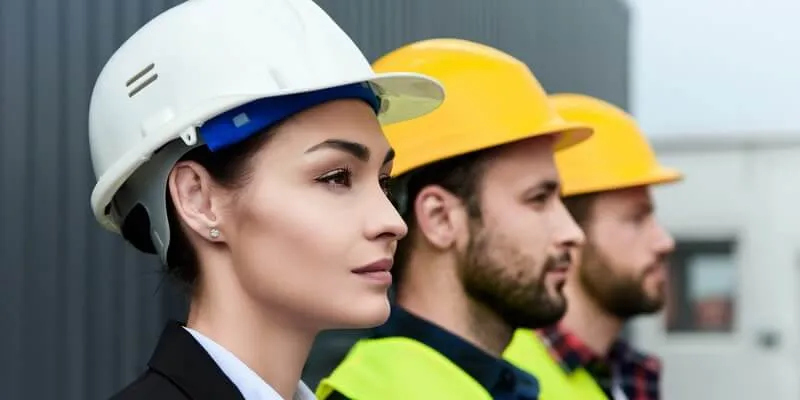
Dating an engineer may mean hearing about a difficult project, adjusting plans around a deadline, or watching someone turn an everyday inconvenience into a solvable system. It does not mean your partner will automatically be shy, unemotional, wealthy, practical, or good at repairing everything.
Engineering includes many fields and working conditions. A software engineer working remotely, a civil engineer visiting construction sites, and a marine engineer spending time away may have little in common beyond technical training. Personality, values, experience, and relationship skills still matter more than the job title.
This guide covers the realistic pros and cons of dating an engineer, communication habits that may appear in analytical work, scheduling differences by field, and practical ways to build connection. Use the profession as context for better questions, not as a personality test.
Meet thoughtful singles and start with interests beyond a job title
What Is Dating an Engineer Really Like?
The honest answer is that it varies. Engineers can be expressive or reserved, spontaneous or highly organized, social or private. Technical work may reward precision, documentation, risk assessment, and problem-solving, but people do not leave every other part of themselves at the office.
The profession can affect a relationship in practical ways. Project launches, site visits, production incidents, professional exams, travel, or rotating shifts may change availability. Some partners carry analytical habits into personal conversations; others deliberately separate work from home.
Ask about the actual routine. What does a normal week look like? Are deadlines predictable? Can the person disconnect after work? How do they prefer to communicate during busy periods? These answers tell you more than a list of engineer stereotypes.
Engineer Personality in Relationships: Pattern, Not Rule
People who enjoy engineering may be curious about how systems work and comfortable breaking a large problem into smaller steps. That can be useful in planning travel, comparing options, or organizing shared responsibilities. It can also create friction if every emotional experience is treated like a technical fault that needs immediate correction.
An analytical communication style is not the same as low empathy. Likewise, a creative or emotionally expressive person can be an engineer. Watch what your partner actually does: whether they listen, ask questions, respect boundaries, admit mistakes, and make room for feelings that do not have a quick solution.
If quietness or overanalysis is a broader relationship pattern, the guides to introvert dating and dating an overthinker provide more relevant advice than assigning everything to profession.
Pros of Dating an Engineer
The following qualities may appear in an engineer partner, but they should be verified through behavior rather than assumed from education or employment.
Curiosity Can Keep Conversation Interesting
Someone who enjoys understanding systems may bring curiosity to travel, hobbies, current events, design, science, or everyday decisions. The attractive quality is not knowing every answer; it is being interested enough to ask better questions and explore an idea together.
Planning Skills Can Support Shared Life
Project experience may help with comparing travel routes, budgeting, organizing a move, or dividing a complicated task. Planning becomes a relationship strength when both partners contribute and can revise the plan. It becomes control when one person treats their preferred solution as the only rational choice.
Practical Support Can Feel Caring
Some engineers express care by researching a problem, fixing a process, or making daily life easier. That support can be meaningful, especially when it responds to something you requested. It should accompany, not replace, emotional attention and affection in the forms both people value.
Comfort with Learning Can Help a Couple Adapt
Healthy relationships require new skills: conflict repair, shared budgeting, communication across cultures, parenting, or managing distance. A partner willing to learn and update an approach can be valuable. The key is intellectual humility, not technical credentials.
Cons and Challenges of Dating an Engineer
These are potential work and communication pressures, not defects shared by all engineers.
Project Schedules Can Disrupt Personal Time
Deadlines, incidents, client demands, testing, or site conditions may extend the workday. Instead of accepting permanent unavailability, agree on what happens during busy periods: a short check-in, a protected date, and a clear point when normal time together resumes.
Problem-Solving Can Replace Listening
You may describe a difficult day and receive five solutions when you wanted understanding. This mismatch is common in many couples. Say what would help: “I need you to listen for a few minutes” or “Can we think through options together?” A caring partner should be able to adapt rather than insist that advice is always the rational response.
Precision Can Become Unhelpful Correction
Attention to detail is useful at work, but constant correction can make ordinary conversation exhausting. Distinguish mistakes that affect a decision from details that do not matter. Both partners should be able to ask, “Is accuracy important here, or are we sharing a story?”
Technical Talk Can Crowd Out Shared Interests
Enthusiasm is attractive, but one person should not lecture while the other performs interest indefinitely. Ask enough to understand why the work matters, then build topics and activities that belong to both of you. Engineers also need space to be more than their profession.
Engineering Fields Create Different Relationship Schedules
| Field | Possible work pattern | Useful question |
|---|---|---|
| Software | Remote work, releases, on-call incidents, or flexible hours | When are you truly off work and available? |
| Civil or construction | Site visits, early starts, weather delays, and project phases | Which weeks are predictable enough for plans? |
| Mechanical or manufacturing | Plant schedules, testing, maintenance windows, or shift work | How far ahead do you know your shifts? |
| Aerospace | Long development cycles, compliance demands, and testing periods | What happens to your schedule near a major test? |
| Marine | Rotations, travel, ports, or extended time away | How do you maintain a relationship during assignments? |
These patterns are examples. Employers, seniority, country, and current projects can change them completely. Use the table to start a scheduling conversation, not to decide whether someone is available before asking. For a public-safety schedule with different privacy and authority boundaries, compare the guide to dating a police officer.
How Do Engineers Show Love?
There is no engineering love language. One engineer may be verbally affectionate; another may prioritize time, touch, gifts, practical help, or carefully planned experiences. A repaired laptop may be thoughtful, but it does not automatically replace a needed apology or emotional conversation.
Ask directly: “What makes you feel cared for?” and explain your own answer. Notice whether affection is reciprocal and flexible. If one person always provides practical support while the other wants verbal reassurance, neither style is wrong, but both need translation.
Do not romanticize emotional distance as logical brilliance. If a partner mocks feelings, refuses accountability, or dismisses your needs as irrational, the problem is behavior rather than engineering.
How to Communicate with an Engineer Partner
Clear communication helps most relationships and can be especially useful when two people process problems differently.
- Name the kind of response you need. Ask for listening, comfort, advice, or practical action.
- Use concrete examples. Describe what happened, how it affected you, and what change would help.
- Do not hide every request inside a hint. Your partner cannot respond fairly to an expectation they cannot identify.
- Leave room for emotion. Feelings can be valid even when no immediate solution exists.
- Schedule difficult talks thoughtfully. A production incident or site deadline is rarely the best moment, but “busy” cannot postpone every important conversation.
- Review the agreement. Ask later whether the solution worked for both people instead of declaring the issue closed.
Direct does not mean harsh. Tone, timing, and curiosity still matter. A useful sentence is: “When this happens, I feel disconnected. Could we try this instead?”
Date Ideas for an Engineer Without Turning It into Work
A museum, architecture walk, planetarium, maker event, escape room, or technology exhibition may appeal to someone who enjoys technical subjects. But after a demanding week, that same person may prefer a quiet café, concert, cooking class, comedy show, park, or film.
Choose from the profile rather than the profession. Offer two options and let the other person help shape the plan. For a first meeting, keep it public, easy to leave, and simple enough for conversation.
Useful prompts are available in the guide to questions to ask on a first date. Ask about interests and values before turning the date into a technical interview about projects, salary, or credentials.
Dating a Busy Engineer without Competing with Work
A temporary deadline is different from a relationship in which work receives every protected hour. Ask what busy means, how long it will last, and what connection remains realistic. A ten-minute call or planned breakfast may preserve closeness during a difficult week, but only if both people agree.
Do not demand instant replies during work, and do not accept indefinite silence without explanation. A reliable partner can usually communicate constraints in advance and follow through on the next plan.
Keep your own friendships, interests, and routine. Independence reduces pressure, but it should not become an excuse for living separate lives with no shared time.
Long-Distance Dating with an Engineer
Remote work does not always mean geographic freedom, and an on-site role does not always prevent travel. Discuss the actual employer rules, time zone, vacation allowance, travel cost, and project calendar before imagining relocation.
Use text for everyday connection and video for richer conversation. Put both local times in call plans, especially around shift work or international schedules. If you are preparing for a first video meeting, review the guide to first video date tips.
A long-distance relationship needs a path toward meeting. Do not let shared spreadsheets or perfect planning substitute for booking a realistic visit after trust and safety checks.
Red Flags Are Not Engineering Traits
Do not excuse disrespect because someone is “just logical” or “not good with emotions.” Profession does not justify controlling behavior, ridicule, dishonesty, financial pressure, sexual pressure, monitoring, or refusal to communicate.
Likewise, being introverted, concise, or highly focused is not automatically a red flag. Evaluate impact and accountability. Can the person hear a concern, explain without contempt, and change harmful behavior? That is more important than whether their style resembles yours.
In online dating, watch for inconsistent identity or work claims, indefinite refusal to video call, requests for money, and pressure to move off-platform immediately. Use the guide to dating chat red flags for message-specific warning signs.
Frequently Asked Questions About Dating an Engineer
What is dating an engineer like?
It depends on the individual. Engineering work may affect schedule, stress, and communication habits, but it does not determine personality or relationship goals.
What are the pros and cons of dating an engineer?
Possible strengths include curiosity, planning, and practical thinking. Challenges may include deadlines, travel, or solving a problem when empathy is needed.
How do engineers show love?
Through words, time, touch, gifts, practical help, or other forms of care. Ask the individual rather than assigning one engineering love language.
How do you communicate with an engineer partner?
Explain whether you need listening, comfort, advice, or action. Use concrete examples while respecting that both partners may process problems differently.
Do engineers make good partners?
Some do. Kindness, reliability, accountability, emotional availability, boundaries, and compatible goals matter more than profession.
What are good date ideas for an engineer?
Choose from personal interests. Museums and maker events may work, but cafés, concerts, outdoor activities, cooking classes, and simple conversation can be equally good.
Build the Relationship with the Person, Not the Profession
Dating an engineer can involve interesting conversation, thoughtful planning, practical support, and unusual schedules. None of those outcomes is guaranteed. The profession provides context for questions; behavior provides evidence about compatibility.
Learn the real work pattern, communicate the response you need, protect shared time, and make room for both logic and emotion. A good relationship does not require either partner to become less analytical or more technical. It requires both to listen, adapt, and treat each other's needs as real.
Meet compatible singles and start a conversation beyond job titles

 Start Live chat
 Send Message