Where to Meet Women in Milan: Beyond Fashion and Nightlife
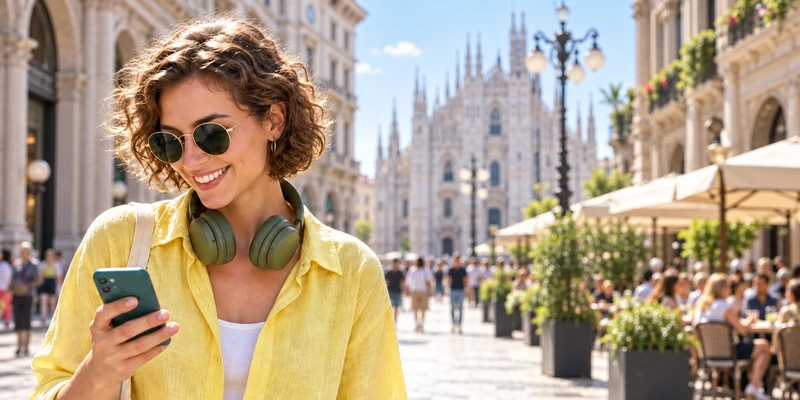
Milan sells spectacle well, yet dating here is governed by calendars more than catwalks. Work, commuting, aperitivo plans, exhibitions, training, and long-standing friends compete for the same evening. A useful place to meet women is therefore not simply fashionable; it is somewhere your presence has continuity, such as a design talk, language course, sports club, volunteer project, professional association, or neighbourhood programme.
Milan is international, but it is also strongly local. Brera, Porta Venezia, Isola, Navigli, Tortona, and residential districts attract different routines. This guide explains how to participate respectfully rather than treating the city as a list of venues. For the wider national picture, begin with dating in Italy today.
Match with intention, then propose a Milan plan polished enough to feel considered and simple enough to keep.
Why Milan Can Feel Both Social and Difficult to Enter
Milan brings together finance, fashion, design, universities, technology, media, culture, healthcare, and people from across Italy and abroad. That scale produces opportunity, but it also creates demanding schedules, purposeful networking, and friendship groups formed through work or education.
A quick exchange during a commute may remain brief because the person is busy, not unfriendly. The same woman may be open to conversation during a class, gallery programme, volunteer shift, or club where both people have chosen to participate.
Measure progress by more than phone numbers. Becoming familiar in one community can lead to invitations and introductions. In Milan, a dependable social reputation often opens more doors than repeated cold approaches in busy central areas.
Milan Cultural Events: Build a Repeatable Calendar
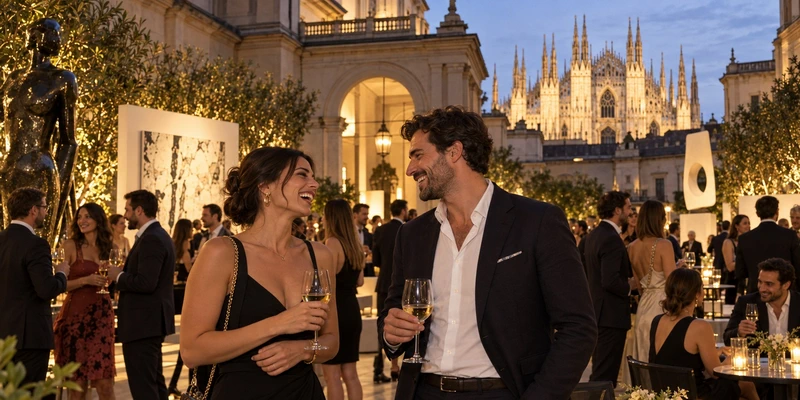
Milan cultural events include museum programmes, public talks, performances, reading groups, design exhibitions, neighbourhood festivals, and civic-school activities. Choose formats that support interaction rather than attending only the largest spectacle.
| Your interest | Useful Milan direction |
| Art and design | Museums, exhibitions, workshops, guided programmes |
| Conversation | Libraries, book groups, language activities, public talks |
| Professional community | Industry associations, alumni groups, conferences |
| Active routine | Running, cycling, dance, climbing, organised sport |
| Community contribution | Volunteering and neighbourhood initiatives |
Use official calendars to confirm current access, registration, language, and time. Milan's programme changes rapidly, and major fairs can transform transport and attendance.
1. Civic Libraries, Museums, and Public Programmes
Milan's civic libraries and museums can host talks, reading activities, workshops, screenings, educational programmes, and exhibitions. These environments suit people who prefer a shared subject to unstructured nightlife.
Select a branch, institution, or series that genuinely interests you. Ask what someone thought about the speaker, collection, or book. Continue only when she contributes willingly rather than using a quiet cultural space for persistent attention.
Recurring programmes are especially useful because conversation can grow across several meetings. A coffee after an event is a proportionate invitation; an elaborate dinner with a near-stranger creates unnecessary pressure.
2. Brera Through Art, Learning, and Design
Brera is associated with art, design, education, galleries, historic streets, and polished evening life. Its reputation also attracts visitors, shoppers, and professional meetings, so simply walking through the district does not create social permission.
Attend a gallery opening, design talk, guided visit, workshop, or public cultural event. A specific response to the programme creates a stronger opening than commenting on clothing or assuming that style signals availability.
Some events are professionally sensitive. Do not corner exhibitors, students, or staff while they are working. If conversation becomes personal and reciprocal, suggest continuing later rather than disrupting their role.
3. Porta Venezia and Its Diverse Cultural Life
Porta Venezia combines historic architecture, public gardens, museums, restaurants, international communities, shopping, and inclusive nightlife. That variety makes it useful for culture-led plans, but no single venue represents everyone in the area.
Choose a museum programme, book event, community initiative, organised walk, performance, or activity around the gardens. Diversity should encourage curiosity, not assumptions about a woman's nationality, sexuality, income, or dating goals.
At night, respect closed groups and alcohol-related ambiguity. A lively district still requires clear mutual interest and an immediate end to conversation when someone declines.
4. Isola, Porta Nuova, and BAM Activities
Isola retains neighbourhood culture beside the modern business landscape of Porta Nuova. Markets, music, independent venues, public space, and activities around BAM can bring residents, workers, families, and visitors together.
Public talks, workshops, organised fitness, community gardening, music, and announced events offer more context than approaching people on lunch breaks. Professionals may protect privacy because work and personal networks overlap.
If you repeatedly attend one activity, let recognition develop before asking for contact. A clear invitation after a good conversation is enough; workplace details should never be used to pursue someone.
5. Navigli and Darsena Without Relying on Nightlife
Navigli and Darsena are known for canals, walking, markets, creative spaces, restaurants, aperitivo, and evening crowds. They are visually social, but noise and tourism can produce many shallow encounters.
Use a market, photo walk, craft event, guided activity, cultural programme, or a meeting already arranged online. These provide a defined reason to be there and make conversation easier to evaluate.
Avoid following someone along the canal, interrupting an intimate group, or treating alcohol as permission. For a first date, select an exact venue and a manageable duration rather than asking someone to find you somewhere in the district.
6. Tortona Through Creative and Professional Communities
Tortona connects design, fashion, photography, cultural institutions, showrooms, studios, and events. During major weeks it can feel open and energetic, while ordinary periods have a more professional rhythm.
Join public exhibitions, workshops, lectures, portfolio events, or industry communities that fit your work or genuine interest. Networking should remain useful even if no romantic connection appears.
Do not confuse professional warmth with attraction. If both people want to continue privately, separate the invitation from a business request and ensure that refusal carries no professional consequence.
7. Courses in Design, Cooking, Language, and the Arts
Adult courses create repeated contact around a practical goal. Visual communication, photography, cooking, Italian, crafts, theatre, music, and dance can all support natural conversation when the class format allows it.
Choose the subject first and the social possibility second. Participate seriously, rotate partners where required, and speak with everyone. In dance or theatre, physical proximity belongs to the exercise and does not prove personal interest.
A multi-week course gives both people time to notice reliability and communication style. Invite someone after class only when the exchange has clearly become mutual.
8. Professional Associations and Alumni Networks
Professional communities are particularly relevant in Milan because many residents organise time around demanding careers. Industry talks, alumni events, entrepreneurship groups, conferences, and continuing education can connect people with compatible interests.
Lead with the subject rather than a personal agenda. Ask what brought her to the event or what she thought about the discussion. Avoid scanning name badges for status or treating every networking conversation as a dating opportunity.
Be careful where hierarchy exists. Managers, recruiters, clients, and colleagues need clear boundaries, and private contact should never be extracted from professional systems without permission.
9. Running, Cycling, and Group Sport
Parco Sempione, Giardini Indro Montanelli, BAM, Navigli routes, Parco Nord, and other green spaces support running, cycling, walking, and outdoor activity. The correct route to conversation is an organised group, not stopping an individual during training.
Join a club appropriate to your pace. Shared warm-ups, route planning, and post-activity conversation provide natural openings. Do not follow someone, remove her headphones, or interpret sportswear as an invitation.
Consistency matters more than performance. Helping newcomers, arriving on time, and respecting the group's norms make you easier to know than trying to impress everyone with speed.
10. Volunteering and Neighbourhood Projects
Cultural organisations, libraries, environmental groups, food support, festivals, animal welfare, and neighbourhood initiatives can connect adults who care about the same issue. Shared work reveals patience and follow-through.
The purpose must remain primary. Do not pursue beneficiaries or use vulnerable situations for intimacy. Another volunteer should be able to participate without managing unwanted attention.
Commit to a role you can sustain. A reliable monthly or weekly contribution builds stronger relationships than joining several projects once simply to increase contact.
Aperitivo Etiquette: Social Ritual Is Not Automatic Interest
Aperitivo can make conversation easier because people remain after work and groups sometimes mix. It works best through friends, an organised meetup, a shared event, or a venue where you have become familiar.
Do not hover beside a closed group or send repeated drinks to someone who has not engaged. Begin with the setting, respond to the actual level of interest, and let a brief exchange end gracefully.
Staff friendliness belongs to hospitality. Never delay someone who is working or treat attentive service as a personal signal.
Which Milan Area Fits Your Routine?
| Area | Useful social context | Practical caution |
| Brera | Art, design, galleries, learning | Respect professional and visitor contexts |
| Porta Venezia | Museums, gardens, diverse culture | Avoid assumptions about identity |
| Isola and Porta Nuova | Neighbourhood events, public space, work communities | Protect professional privacy |
| Navigli and Darsena | Markets, walks, creative events, evenings | Tourism and alcohol blur signals |
| Tortona | Design, photography, industry events | Separate networking from dating |
| Parco Sempione and city parks | Organised sport and public activities | Do not interrupt individual exercise |
A district can help you choose an activity, but it cannot predict personality or relationship goals. Learn about the individual woman rather than assigning a stereotype to her address.
Italian, English, and Milan's International Circles
Italian expands access to neighbourhood life, friendship groups, and cultural nuance. English may be common in selected academic, technology, fashion, design, and multinational environments, but it should not be assumed.
If your Italian is developing, say so without turning the other person into a teacher. Language exchange works when both participants contribute. In a relationship, clarification and translation effort should be shared.
People who moved to Milan from elsewhere in Italy or abroad may have different identities and routines. Ask where someone feels at home rather than deciding who she is from an accent.
How to Start a Conversation in a Fast-Moving City
Begin with the event, class, exhibition, route, speaker, or volunteer task. A situational question is easier to answer than an immediate comment on appearance.
Notice reciprocity. Does she ask something back, introduce a new topic, remain after the practical question ends, or suggest continuing? Short answers, renewed attention to work, headphones, physical distance, and closed body position mean you should leave.
One invitation is enough. Offer a simple plan, avoid demanding a reason for refusal, and never use professional information to contact her later.
Turn an App Match Into a Milan Meeting
Apps solve a distinctly Milanese problem: two compatible people may work a few metro stops apart and still never share a free evening. Open with the design interest, district, exhibition, sport, or food detail in her profile, then find out whether your routes and schedules can produce a meeting rather than an endless chat.
After several reciprocal exchanges, suggest a public plan with two realistic times. Coffee, a museum programme, a short exhibition, or a walk in a busy central park keeps the first meeting manageable.
Confirm the exact entrance and metro stop. Do not request money, banking access, identity documents, passwords, intimate media, or proof of affection. Review dating chat red flags before sharing sensitive information.
Fashion and Design Weeks Require Realistic Expectations
Major fashion and design events create public energy but also intense professional pressure, guest restrictions, crowds, and temporary visitors. They are not citywide dating festivals.
Attend public programmes because the work interests you. Do not interrupt models, organisers, exhibitors, photographers, or hospitality staff. Private invitations and industry access must be respected.
For lasting connections, maintain an ordinary routine after the headline event ends. Smaller talks, classes, associations, and neighbourhood programmes offer better continuity.
Common Mistakes When Meeting Women in Milan
- Using status, clothing, or venue price as a substitute for personality.
- Treating aperitivo as automatic permission to approach every group.
- Confusing professional networking with romantic interest.
- Interrupting commuters, laptop work, or individual exercise.
- Assuming all Milanese women share one fashion-focused lifestyle.
- Ignoring travel time across the metropolitan area when planning a date.
- Continuing after short answers, refusal, or visible discomfort.
Milan rewards social confidence, but confidence includes reading context and leaving gracefully.
Compare Meeting Women in Milan and Rome
Milan often feels more scheduled, professional, and connected to industries such as design, media, and finance. Rome has its own neighbourhood, institutional, university, and cultural rhythms. Neither city contains one dating culture.
For capital-city settings, read where to meet women in Rome. Men comparing local life with cross-border relationships can use international dating for Italian men.
International dating should begin with genuine cultural interest, not the belief that women abroad are easier than women in Milan.
Frequently Asked Questions About Meeting Women in Milan
Where can you meet single women in Milan?
Recurring classes, cultural programmes, professional associations, volunteering, sports groups, libraries, design events, and neighbourhood activities offer stronger social context than random street approaches. Brera, Porta Venezia, Isola, Navigli, and Tortona each support different interests.
Is aperitivo a good way to meet women in Milan?
Aperitivo can be social when you attend with friends, join an organised event, or already share context with someone. A crowded venue does not mean every woman welcomes an approach, and friendliness from staff should never be treated as personal interest.
Do you need Italian to date in Milan?
Italian greatly improves local participation, although English is common in some international, academic, design, and professional circles. Make a real effort, ask which language she prefers, and do not expect another person to translate the relationship for you.
Are dating apps useful in Milan?
Yes. Tight schedules and long commutes can make apps practical. Use them to begin a specific conversation, then suggest a short public meeting when replies become reciprocal instead of maintaining indefinite chat.
Which Milan neighbourhood is best for meeting women?
There is no universally best district. Brera suits arts and design, Porta Venezia offers culture and diverse nightlife, Isola combines neighbourhood life with modern business districts, Navigli supports evening activity, and parks or civic spaces suit recurring groups.
How can newcomers build a social circle in Milan?
Choose one recurring course or group near home, one professional or cultural community, and one occasional public event. Attend consistently, speak with everyone, and accept invitations that expand your wider circle rather than focusing only on immediate dates.
Build a Milan Routine Before Chasing Chemistry
Milan rewards a compact, well-edited routine. Pick one professional or cultural series that advances a real interest and one social activity close to home or work. Being known at two relevant places is more useful than appearing once at every launch, rooftop, and aperitivo address.
If rapport develops, translate it into a concrete plan: name the exhibition, café, park entrance, or aperitivo bar; propose a time; and keep the first meeting short enough for a working evening. Reliability and attention to detail communicate more than an elaborate performance.
In Milan, the strongest signal is not extravagance but a thoughtful plan delivered exactly as promised.