Dating in London Today: Why More Singles Turn to Online & International Dating
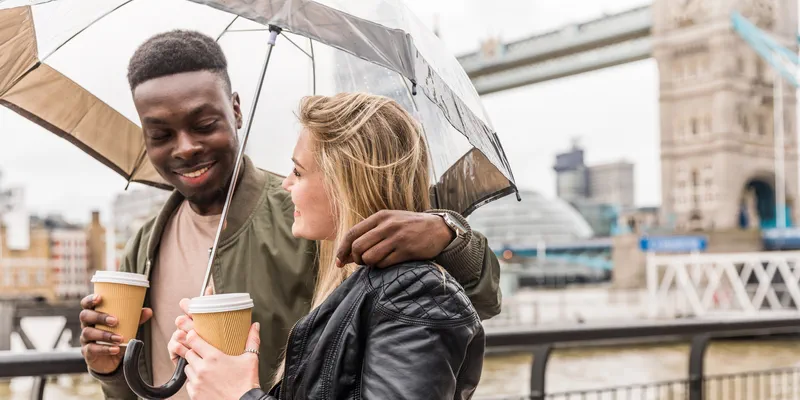
London should be one of the easiest cities in the world to date in. It is massive, international, constantly busy at night, and still ranks among the world's top cities in recent rankings. Visit London's 2026 guides still highlight rooftop bars, food markets, theatre, and late-night culture as core parts of the city's appeal, while Time Out recently named London one of the best cities in the world in 2026.
But if you actually live in London and you are single, the reality can feel very different:
- everyone is busy
- everyone is commuting
- everyone is tired
- and almost everyone seems to be keeping their options open
That is why more singles in London are rethinking how they date. Across the U.S., a Forbes Health/OnePoll survey found that 45% of respondents said dating apps were the top place for meeting someone to date, while a separate Forbes Health survey reported 78% of Gen Z respondents experiencing dating app burnout. Even though those studies are U.S.-based, the same pressures — app dependence, overload, and fatigue — map closely onto big-city dating environments like London.
For a lot of men, especially men who want something more serious, online dating, video chat, and sometimes international dating start to look less like a backup plan and more like a better strategy.
What Dating in London Looks Like Today

Dating in London is shaped by the city itself: long journeys, packed calendars, and a culture where social life is spread across many neighbourhoods instead of one central scene. London's own tourism guides still push everything from Shoreditch rooftops to West End nights out and late-night events, which says a lot about how broad and fragmented the city's social life really is.
The City Is Big, but Real Dating Pools Feel Small
On paper, London offers endless options. In practice, people often stay inside smaller worlds:
- one neighbourhood
- one friend circle
- one industry
- one app ecosystem
So even in a huge city, your actual dating pool can start to feel repetitive.
Apps Dominate the Starting Point
For many people, dating in London now begins online before it ever reaches real life. That broader digital shift is reflected in Forbes Health's 2025 dating survey, where nearly half of respondents said dating apps were their top place for meeting someone.
Everyone Has Options — and Knows It
Big-city dating often creates a 'keep the door open' mentality. In London, with countless venues, events, and people around, it is easy to keep one connection warm while staying alert to the next one.
Logistics Kill Momentum
Even when there is chemistry, London can get in the way:
- long Tube journeys
- different work patterns
- one free evening this week
- too many plans already booked
A lot of London dating does not fail because people dislike each other. It fails because they cannot build enough momentum around real life.
Why Many Men Feel Frustrated with Modern Dating in London
A lot of men in London are not looking for endless casual dating. They want:
- consistency
- emotional connection
- respect
- someone who actually makes time for a relationship
But the local dating culture often feels built around the opposite.
Swipe Fatigue Is Real
The more dating depends on apps, the more repetitive and draining it starts to feel. Forbes Health's 2025 dating-app fatigue research found that 78% of Gen Z respondents reported burnout from dating apps. Even beyond Gen Z, that points to a wider truth: digital dating easily becomes exhausting when the pool feels endless and unfocused.
Ghosting Feels Normalised
London's speed and overstimulation create a culture where people disappear easily. A good chat, a good date, even several promising dates can still vanish without explanation.
Career and Lifestyle Often Come First
London attracts ambitious people. That is part of the city's appeal. But it also means relationships often end up behind:
- work
- side projects
- social life
- travel
- simple exhaustion
For men over 40, this frustration often gets sharper. You usually want more clarity and less wasted time.
Emotional Distance Can Look 'Cool'
Big-city dating often rewards detachment. People try not to seem too available, too invested, or too easy to define. That may feel sophisticated in the short term, but it is terrible for building trust.
Men Over 40 Often Start Looking for Better Tools
Forbes Health's 2026 review of senior dating sites noted that 47% of older adults in a 2025 Forbes Health survey sought serious connections on dating apps and websites. That is a strong signal that older daters are not giving up on online dating — they are just becoming more selective about how they use it.
Online Dating in London: Pros, Cons and Hidden Downsides

Online dating is not all bad. In a city like London, it solves real problems.
The Real Benefits of Online Dating in London
Online dating gives you:
- access to people outside your usual neighbourhood
- a way to date around a packed schedule
- more reach across social circles
- basic filtering by age, location, and lifestyle
That is why app-based dating remains so important.
But Apps Often Recreate the Same London Problems
The issue is not access. The issue is quality.
A lot of online dating in London turns into:
- shallow messaging
- endless chatting without meeting
- people collecting matches for validation
- conversations that never deepen
Image Starts Replacing Intention
In a city that already runs on presentation and pace, apps can become little branding exercises. A polished profile does not tell you whether someone is emotionally available.
Too Many Options Kill Focus
Apps intensify one of the worst parts of big-city dating: always thinking there is one more option around the corner.
Better Platforms Matter More Than Ever
Forbes Health's 2026 roundup of online dating sites explicitly compares platforms based on features, safety, ease of use, and user experience. That matters because not all online dating is the same. Better tools can mean less wasted time and stronger screening.
Why More Singles Turn to Online & International Dating

For many men in London, especially those who are tired of vague local dating culture, online international dating starts to feel less unusual and more practical.
A Bigger Pool of Women With Clearer Intentions
On serious relationship-focused platforms, many women are there because they genuinely want:
- a long-term relationship
- emotional consistency
- commitment
- family or partnership in the future
That kind of clarity feels very different from the 'let's just see' tone that often dominates fast-paced city dating.
Less London Noise, More Actual Compatibility
When you meet someone outside the usual London scene, you remove a lot of the city-specific clutter:
- no neighbourhood politics
- no shared social-scene overlap
- less pressure to act detached
- less obsession with status signalling
It becomes easier to focus on values, communication, and compatibility.
Video and Live Chat Make It Real
Modern online dating is not just text and profile photos. Strong platforms now rely much more on:
- live chat
- video chat
- voice messages
- real-time interaction
That matters because text creates fantasy. Video creates reality. Forbes Health's current dating-platform coverage keeps emphasising features and user experience for exactly this reason.
Men Over 40 Benefit Even More
If you are 40+, these tools matter more, not less. You usually want to screen for maturity faster, waste less time, and build trust earlier.
How to Start Online & International Dating Safely and Smartly
If you want to move beyond standard London app culture, do it carefully.
Choose Better Platforms
Look for sites that offer:
- profile moderation or verification
- real video chat
- active live chat
- clear safety and support policies
That fits the same criteria Forbes Health uses when reviewing the best dating apps and sites of 2026.
Be Clear About Your Intentions
Say what you want. If you are looking for:
- a serious relationship
- emotional consistency
- maturity
- the possibility of meeting in person if things go well
then write that clearly.
Move to Video Earlier
Do not stay in text-only mode for months. Once there is some trust, suggest a short video call. This lets you check chemistry, tone, and reality much faster.
Protect Yourself
Basic rules still apply:
- do not send money
- do not share sensitive information too early
- do not ignore red flags because you like the idea of someone
- do not confuse fantasy with real compatibility
Be Honest About Your London Life
If you live in London, be real about:
- your work hours
- your commute
- your social schedule
- whether you are open to travel or relocation one day
The right person needs to fit your actual life, not a polished version of it.
How to Build a Real Relationship Through Online Dating

Meeting someone online is only the first step. Building something real takes consistency.
Be Consistent, Not Overwhelming
A steady rhythm matters more than intensity. Regular messages, planned calls, and reliable follow-up build trust much faster than big emotional bursts.
Use More Than Text
The strongest online relationships usually combine:
- text for everyday contact
- voice notes for warmth
- video calls for chemistry and trust
Talk About Real Topics
Do not stay in surface-level flirting forever. Talk about:
- values
- family
- lifestyle
- work-life balance
- commitment
- long-term plans
That is what separates a real relationship from a digital crush.
Respect Time Zones and Real Life
If you date internationally from London, there may be real time differences and very different schedules. Mature handling of that is part of the relationship itself.
Meet in Person When It Makes Sense
If the connection is strong, talk honestly about meeting:
- timing
- cost
- travel
- realistic expectations
A relationship can absolutely begin online, but at some point it has to enter real life.
FAQ – Dating in London Today and Online International Dating
Is dating in London really that hard?
For many people, yes. London has huge opportunity, but that often turns into less focus, more fatigue, more ghosting, and more emotional distance. The city is exciting, but not always efficient for serious dating.
Why do some Londoners look beyond the city for dating?
Usually because they want clearer intentions, less performative detachment, and a dating experience that is less shaped by speed, image, and constant overstimulation.
Is online international dating safe?
It can be, if you use reputable platforms, rely on video and live chat early, and follow basic safety rules. Features, moderation, and user experience matter.
Can an online relationship really become serious?
Yes. Many modern relationships begin online. What matters is honesty, consistency, video-based communication, and eventually meeting in person.
Is this especially useful for men over 40?
Often, yes. Men over 40 usually value maturity, clarity, and efficiency more than endless swiping. That makes serious online dating — especially platforms with stronger communication tools — a much better fit.

 Start Live chat
 Send Message