New Zealand Women: Beauty Standards, Style, and What They're Really Like
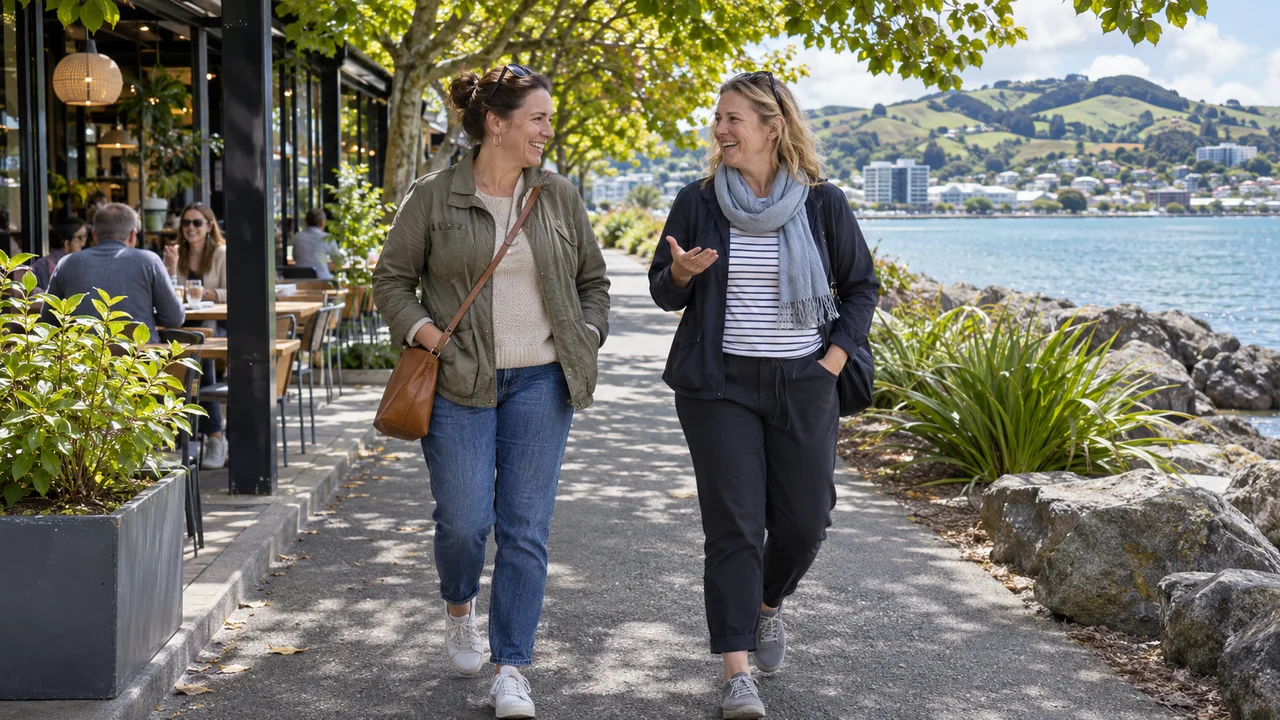
New Zealand beauty standards do not describe one face, body, or way of dressing. A natural, outdoor-friendly look is a familiar image of Kiwi style, but it sits alongside polished workwear, expressive fashion, different cultural traditions, and individual choices. The useful question is not whether New Zealand women meet a universal beauty standard, but how style, identity, and everyday life interact.
This guide looks at beauty and presentation without ranking women or treating appearance as a personality test. For broader social and cultural background, read our general guide to New Zealand women. For the local dating landscape, use dating in New Zealand today.
The Natural, Outdoorsy Kiwi Aesthetic
The natural Kiwi aesthetic is best understood as an image people associate with New Zealand, not a uniform everyone follows. Think practical layers, comfortable footwear, and clothes that allow a day to include work, a coffee stop, and time outside. That combination can look relaxed while still involving care and deliberate styling.
There is a difference between appreciating an outdoor-friendly style and expecting every woman to hike, surf, or enjoy camping. Someone may love the coast and dislike strenuous walks; another may prefer a gallery to a trail. Neither is less authentically Kiwi. Clothing is a starting impression, not evidence of hobbies or physical ability.
For example, a jacket over casual clothes may suit an informal daytime outing, while the same person chooses a tailored outfit or a colourful dress for another occasion. The contrast does not reveal two different personalities. It reflects the setting and what she enjoys wearing.
Natural Does Not Mean Effortless
A minimal-looking hairstyle or makeup style can still take effort, time, and money. Avoid compliments that praise someone for supposedly needing none of those things. You can appreciate a particular colour, accessory, or outfit without making a claim about what she should look like.
The same applies to photographs. Light, camera angle, editing, and professional styling influence an image. A dating profile or fashion campaign is a selection of pictures, not a representative view of women across a country.
Beauty Standards in New Zealand
When people describe New Zealand beauty standards as "less is more," they may be referring to understated styling rather than an absence of interest in appearance. A simple outfit, restrained accessories, or a natural-looking finish can be appealing. That does not make a bolder look less local, less sincere, or less attractive.
There is no national rule that women must use minimal makeup, have long hair, be slim, or look athletic. Beauty standards are social influences and preferences, not a checklist every person accepts. Age, community, profession, media, and personal taste can all change which influences matter.
Everyday Style and Occasion
An ordinary workday, a wedding, a live performance, and a beach outing call for different choices. Do not compare a casual photograph with formal event photography and decide that one country is naturally more glamorous than another. Compare the settings before drawing conclusions about the people.
For a first impression, a useful distinction is between describing and prescribing. "That jacket suits you" describes your response to an individual choice. "Kiwi women should keep things natural" prescribes a national beauty rule. The first leaves room for her own preferences; the second does not.
Body Diversity and Age
Outdoor imagery should not turn into a narrow body ideal. Appearance does not establish fitness, health, or how someone likes to spend her weekends. A body type is not a measure of whether someone belongs in an active community, and nobody needs to perform an outdoor lifestyle to be accepted.
Likewise, beauty is not restricted to one age. Different life stages can change priorities around clothing, hair, and routines without making one style superior. Appreciate the person's present choices rather than comparing her with an imagined younger or more fashionable version.
Diversity: European, Māori, Pasifika, and Asian New Zealand
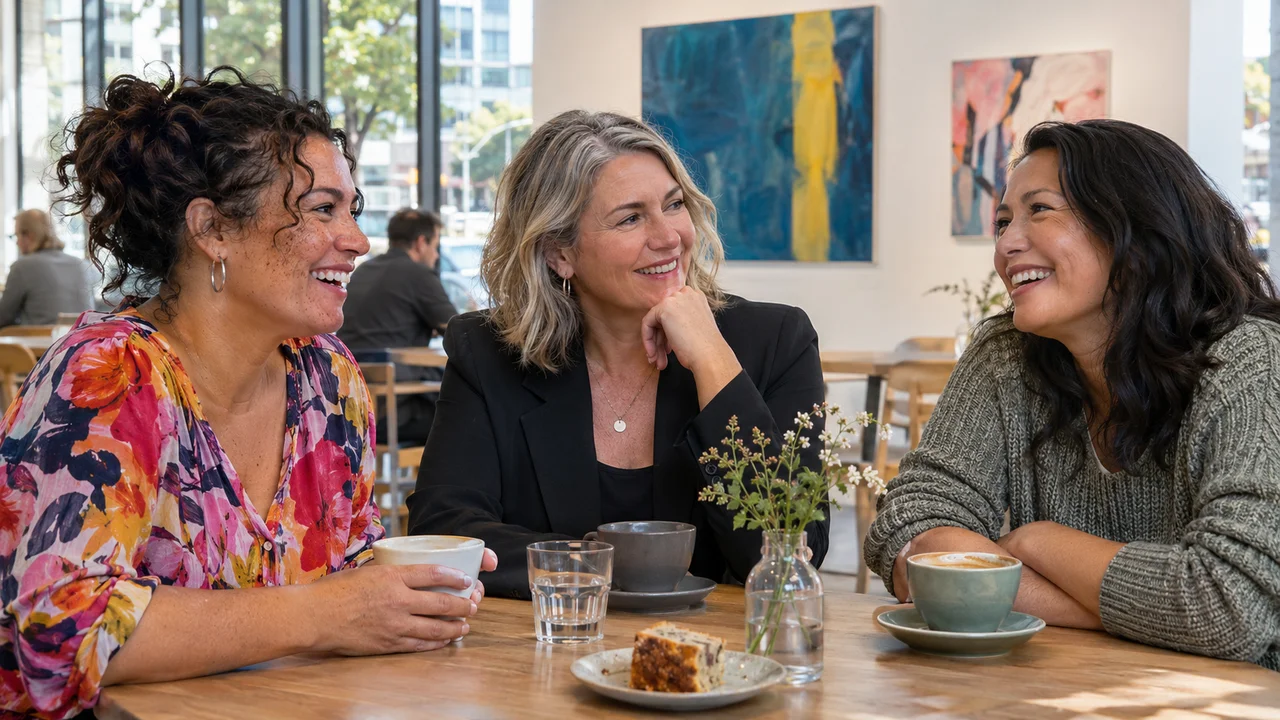
Women in Aotearoa New Zealand have many backgrounds, including European, Māori, Pacific, Asian, and mixed identities. Stats NZ explains that people can identify with more than one ethnic group. These categories describe identity, not separate sets of facial features or beauty rules.
A woman with European heritage may express it in many ways or not make it part of everyday fashion. Māori identity is not a visual template; whakapapa, community, and individual experience cannot be inferred from a portrait. Pacific and Asian identities likewise include many distinct communities, not one shared look.
Allow people to name their own background. Someone can be New Zealand-born and have family connections elsewhere, or have moved to New Zealand and feel a strong sense of belonging. An accent, surname, or complexion is not a test of how genuinely Kiwi she is.
Cultural Expression Is More Than Decoration
Do not treat culturally meaningful adornment as an accessory to copy or evaluate. Te Papa's account of tāmoko history, practice, and meanings offers cultural context beyond a visual impression. A respectful response is curiosity without demanding a personal explanation.
A cultural event, family celebration, or performance may also involve clothing with a purpose different from everyday wear. Ask only when the conversation invites it, and accept that some details are personal. Learning context is more useful than turning cultural differences into an attraction category.
Beyond Looks: Personality and Values
Directness, independence, an interest in nature, and work-life balance appear in familiar descriptions of Kiwi life. They are possible conversation topics, not promises about every New Zealand woman. A quiet person and an outgoing one can share the same background while wanting very different relationships.
Independence can mean having established friendships, work priorities, family commitments, or time alone. It does not mean she never wants support. Ask how each of you balances shared time and personal space rather than assuming you understand because the national stereotype sounds familiar.
Likewise, straightforward communication does not remove the need to listen or clarify. A short reply might reflect a busy day, a different messaging habit, or a lack of interest; nationality cannot decide which. Look for mutual effort and what the person actually says.
For the fuller cultural overview, return to New Zealand women's lifestyles and individual values. Keep the distinction clear: this page discusses the impressions created by beauty and style, not a system for predicting character.
Common Stereotypes and the Reality
- All Kiwi women are sporty: outdoor culture does not tell you an individual's interests, access needs, or preferred pace.
- Natural style means no makeup: a simple-looking finish can be deliberate, and more expressive makeup is an equally valid choice.
- There is one typical New Zealand look: different backgrounds and personal choices cannot be reduced to one face or body.
- Independence means emotional distance: personal space and affection are not opposites; ask what feels comfortable.
- Casual clothes mean casual intentions: an outfit does not reveal whether someone wants friendship, dating, or commitment.
The answer to "Are NZ women beautiful?" is personal: many people find individual New Zealand women attractive, just as they do elsewhere. No ranking can turn that response into a fact about everyone. It is possible to discuss attraction honestly without making women representatives of a national ideal.
Dating a New Zealand Woman: What to Expect
Start with the person rather than a plan to impress a nationality. Be clear about your intentions, take an interest in her opinions, and suggest something you could both enjoy. Do not assume she wants an outdoor date because she looks active, or a low-key date because she wears casual clothes.
Keep compliments specific and comfortable, without comparing her with women from another country or assigning a personality to her appearance. Let attraction coexist with ordinary questions about schedules, interests, and what each person wants.
For invitations, first meetings, communication, and follow-up, use the practical guide to dating in New Zealand for men. You do not need a second appearance checklist to find out whether the interest is mutual.
If you are in New Zealand and prefer meeting in person, the local guides to where to meet women in Auckland, Wellington and Christchurch list real places and good times to go. For a wider comparison, see New Zealand vs Australian dating culture and why dating can feel hard in New Zealand.
Interested in an international connection? You can browse women's profiles and start with a message or a live video chat.
Frequently Asked Questions
What are New Zealand women like?
There is no single Kiwi personality. Independence, straightforwardness, and an interest in outdoor life are familiar cultural associations, but ask about the individual's values, background, and preferences.
Are New Zealand women beautiful?
Beauty is subjective, and people find different New Zealand women attractive for different reasons. There is no objective national ranking or physical standard that represents everyone.
What are NZ beauty standards?
A natural-looking, practical style is a familiar image, but beauty preferences vary by person, community, generation, and occasion. Minimal makeup, expressive fashion, and formal styling can all belong.
What do Kiwi women value in a partner?
Preferences differ. Ask about respect, reliability, communication, shared time, and long-term goals rather than assuming nationality creates a fixed list of expectations.
How can I impress a New Zealand woman?
Show genuine interest, listen, be honest about your intentions, and follow through on agreed plans. Specific consideration is more useful than performing a national dating stereotype.
What do NZ women look like?
Women in New Zealand have varied complexions, hair, facial features, heights, and builds. European, Māori, Pacific, Asian, and mixed identities cannot be reduced to one national appearance.
Do New Zealand women prefer a natural look?
Some do; others enjoy bold makeup, formal clothes, or changing styles. A familiar less-is-more aesthetic is not a rule about what every woman wears or likes in a partner.
Are all Kiwi women interested in outdoor activities?
No. An outdoorsy national image does not establish someone's hobbies or abilities. Ask what she enjoys and suggest plans that work for both people.
 Start Live chat
 Send Message