Where to Meet Women in Washington, DC: Best Places, Neighborhoods, and Real-Life Dating Spots
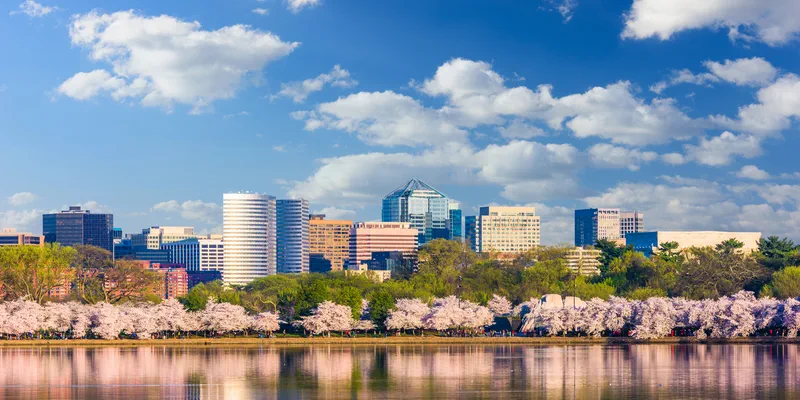
Washington, DC is one of the most underrated cities in the United States for meeting women in real life. A lot of people think of DC only in terms of politics, policy, and overworked professionals. But the city is much more than that. It has strong neighborhood identity, a smart and social population, visible public life, and plenty of places where conversation feels natural instead of forced.
That matters because meeting women offline is not just about population size. It is about whether a city creates the right kind of environments: places where people are relaxed enough to talk, open enough to engage, and active enough to show up consistently. DC does that surprisingly well.
If you want the broader national context first, start with dating in the USA today. If you want the city-level online-dating companion page for this market, continue with dating in Washington, DC today.
Why Washington, DC Works Well for Real-Life Dating
DC has a few advantages that make it strong for meeting women in person. First, it is highly walkable in the neighborhoods that matter most socially. Second, it attracts educated, ambitious, and socially engaged women. Third, a lot of the city’s best areas naturally mix nightlife, coffee culture, brunch, bookstores, cultural venues, and everyday routines.
That means you are not limited to one dating channel. You can meet women:
- during social nights out;
- through neighborhood cafes and bookstores;
- at brunch, waterfront areas, and weekend routines;
- through music, culture, and shared city spaces.
DC also has a useful balance. It is social, but not as chaotic as New York. It is ambitious, but not as image-driven as Miami or Los Angeles. That makes it easier to create real conversation if you know where to go.
What Kind of Women You Are Likely to Meet in DC
Washington, DC attracts a mix of professionals, creatives, policy people, academics, consultants, nonprofit workers, lawyers, journalists, and transplants from around the country. That creates a dating pool that is often articulate, socially aware, and selective.
In practice, many women in DC respond well to:
- confidence without arrogance;
- strong but natural conversation;
- good timing and social awareness;
- clear interest without pressure.
This is one reason the city works well offline. If you can communicate well in real life, you often stand out more than you would on an app.
Best Neighborhoods to Meet Women in Washington, DC
The smartest way to improve your results in DC is not to chase the whole city at once. It is to choose neighborhoods that match your own style and the type of interaction you actually want.
Dupont Circle
Dupont Circle is one of the strongest all-around areas in DC for real-life dating. It has the famous fountain, easy people-watching, strong cafe and bookstore energy, and a stretch of bars, bistros, and social spots that feel more conversational than chaotic. It works especially well if you want a mix of daytime and evening opportunities.
Adams Morgan
Adams Morgan is stronger if you want nightlife, local energy, and a more visibly social environment. It is one of the best parts of the city for bar-hopping, spontaneous conversation, and meeting people who are actually out to socialize.
U Street
U Street has a stronger music-and-nightlife identity. It works well for people who like energy, bars, cocktails, and venues where a night out can easily turn into real interaction. It feels more expressive and more momentum-driven than quieter neighborhoods.
Georgetown
Georgetown gives you a different angle: polished, scenic, social, and ideal for daytime movement. It is one of the best areas if you prefer waterfront walks, coffee, shopping streets, and more elegant date energy rather than pure nightlife.
The Wharf
The Wharf works especially well for waterfront dating, sunset energy, restaurants, and event-driven social life. It feels modern, open, and built for movement, which makes it strong for both casual conversation and first-date logistics.
Top Places to Meet Women in Washington, DC
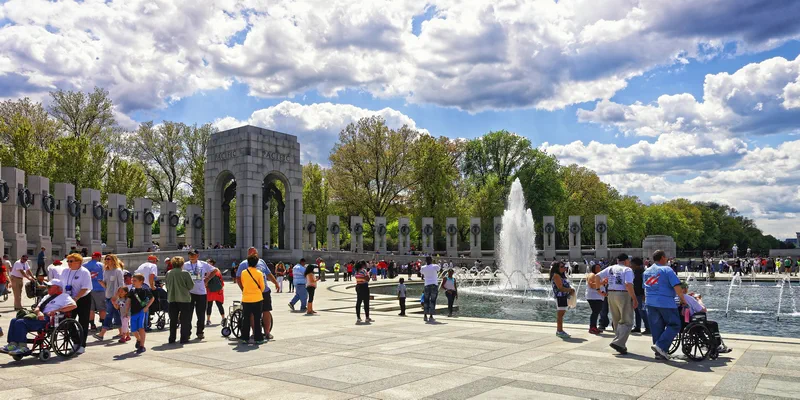
1. Dupont Circle Fountain
This is one of the most naturally social spots in the city. People meet friends here, sit, read, talk, and spend time outdoors. It works because the setting already encourages lingering and low-pressure interaction.
2. Kramerbooks in Dupont Circle
If you prefer quieter, smarter, more natural openings, this is one of the best places in the city. Bookstores make conversation easier because the context is already built in. You are not inventing a reason to talk — the place gives you one.
3. Adams Morgan’s 18th Street Corridor
This stretch is one of the most reliable places in DC for organic nightlife interaction. You have movement, density, multiple venues, and people who are actually out to socialize rather than just commute home.
4. Reveler’s Hour or Jack Rose in Adams Morgan
If you want bars that feel more social and less generic, this area gives you stronger options than standard nightlife strips. Places with a defined vibe and seating flow often make conversation easier than loud, anonymous venues.
5. U Street Nightlife Strip
U Street works best when you want a more energetic night with more movement and stronger music influence. It is not the quietest part of DC, but it is one of the best for visible social energy.
6. Georgetown Waterfront
This is one of the strongest places in DC for daytime or early evening interaction. Walks, views, coffee, and a more polished crowd make it ideal if you prefer lower-pressure social settings.
7. Blues Alley or Georgetown Evening Spots
Georgetown is useful not only in the daytime. Evening venues with character work well here because the neighborhood already attracts social, polished, and date-oriented traffic.
8. The Wharf
The Wharf is one of the best places in DC to combine scenery, restaurants, bars, concerts, and waterfront movement. It works well because people are there to enjoy themselves, move around, and stay in the area rather than rush out immediately.
9. Busboys and Poets
If you prefer a more thoughtful, conversational, and lower-pressure environment, this is a strong type of DC venue. Places like this attract people who respond better to personality and real conversation than to pure nightlife energy.
10. Le Diplomate Area / Logan-adjacent Social Dining Zones
DC also works very well through restaurant-driven dating culture. Stylish but socially alive dining areas can be excellent for meeting women because the city’s social scene often overlaps with food, wine, and long conversations rather than only bar culture.
Daytime vs Nightlife in DC
One of the best things about Washington, DC is that both daytime and nightlife can work, but in different ways.
- Daytime works well in Dupont, Georgetown, bookstores, coffee shops, waterfront areas, and brunch-heavy neighborhoods.
- Nightlife is stronger in Adams Morgan, U Street, and some parts of the city where bars and live-music energy shape the social flow.
The smartest move is not picking one forever. It is matching the environment to the kind of interaction you want.
How to Approach Women in DC Without Making It Awkward
DC usually rewards calm, context-aware interaction more than big performance. People here are often socially capable, busy, and used to conversation. That means you do better when you sound normal, grounded, and observant rather than rehearsed.
A better approach is to use the setting:
- comment on the venue or neighborhood;
- ask something light and situational;
- keep the opener short and natural;
- pay attention to whether she actually wants to continue.
In DC, social intelligence matters. Respect, timing, and tone usually outperform aggressive confidence.
Why Offline Still Matters in Washington, DC
Apps are useful in DC, but they are not enough. This is one of those cities where offline presence can genuinely improve your results because people respond strongly to conversation, confidence, and how you carry yourself in real environments.
If you want the broader male strategy layer, continue with dating in the USA for men. If you want the communication layer that helps move from online to real interaction, continue with video chat dating in the USA.
What Actually Works Better in DC
Washington, DC tends to reward a few clear behaviors more than random hustle:
- become a regular in a few neighborhoods instead of chasing the whole city;
- pick venues that match your style;
- focus on conversation quality, not just volume;
- move naturally from contact into a clear plan when the interaction feels mutual.
If you want the broader personality-and-expectations angle, this page also works well next to how to date American women.
How Washington, DC Compares to Dating in the USA
Washington, DC represents one of the more educated, social, and conversational dating environments in the United States. Compared with faster, more chaotic, or more image-driven markets, the city often rewards intelligence, timing, and real-world presence more than pure flash.
For the broader national view, continue with dating in the USA today.
International Dating Options for Singles in Washington
If you are dating in Washington, local dating apps and social places can work, but they may not always match your relationship goals. Online international dating gives singles another way to meet women abroad, start meaningful conversations, use video chat, and build trust before deciding whether to meet in person.
- Online International Dating Guide
- How International Dating Works
- How to Meet Eastern European Women Online
FAQ About Meeting Women in Washington, DC
Is Washington, DC a good city to meet women offline?
Yes. DC is one of the better US cities for meeting women in real life because people are active, social, educated, and often spend time in visible public spaces like cafes, bars, bookstores, waterfront areas, and neighborhood events.
What kind of dating culture does Washington, DC have?
DC dating culture is social but selective. Many people are ambitious, busy, and used to strong conversation, which means personality, timing, and context matter a lot.
Are bars the best way to meet women in DC?
Bars can work well in neighborhoods like Adams Morgan or U Street, but they are not the only option. DC also works through bookstores, brunch spots, waterfront areas, coffee shops, and more relaxed social settings.
Which DC neighborhoods are best for meeting women?
Dupont Circle, Adams Morgan, U Street, Georgetown, and The Wharf are among the strongest areas because they combine social energy, walkability, and places where conversation happens naturally.
Do you need dating apps in Washington, DC?
Apps can help, but they are not enough on their own. DC is one of those cities where offline presence and real-life confidence still matter a lot.
 Start Live chat
 Send Message