Where to Meet Women in Manchester: Best Places to Go
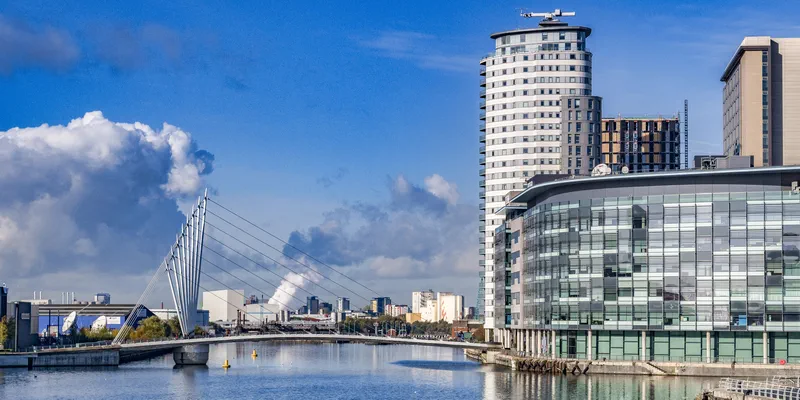
Where to meet women in Manchester depends on whether you want a social activity where introductions can happen or a place for a date you have already agreed. A gallery event, a neighbourhood group and a reserved table are different situations. Choose the purpose first, then a setting you would genuinely enjoy.
For men over 40, there is no reason to organise everything around late bars. Culture, learning, daytime outings and introductions through friends can fit an established week. They do not promise available singles, and people in a public place are not there for the benefit of someone seeking a date.
The Manchester dating overview covers catchment, schedules and local relationship decisions. This guide stays with places, activities and practical choices for the outing itself.
Manchester Areas at a Glance: Choose the Activity First
| Area | Possible plan | Check before choosing |
|---|---|---|
| Northern Quarter | A named cafe, cultural event or small-group outing | Actual programme, noise and seating |
| Spinningfields | A pre-agreed meal or early meeting | Menu, price and booking conditions |
| Deansgate | A John Rylands visit or an agreed nearby stop | Current visitor access and quiet-space rules |
| Ancoats | Coffee or a meal with a clear meeting point | Both routes and the particular venue |
| Castlefield | A public daytime outing with an indoor alternative | Weather, surfaces and return options |
| Canal Street | An event or outing chosen with respect for the LGBTQ+ setting | The event's purpose and whether it suits both people |
No area tells you visitors' relationship status, age or willingness to talk. A neighbourhood description is a way to shortlist a plan, not a method for finding a particular type of woman.
Northern Quarter: Give the Visit a Clear Purpose

Choose an actual exhibition, event, cafe or other activity rather than arriving with a plan to approach women across several bars. If you are meeting a date, send the venue name and time so neither person is searching for the other around the district.
For an introduction during a public event, a question about the programme can be natural if the other person seems open to conversation. Keep it brief and let her return to her activity. Staff friendliness and someone sitting alone are not invitations to flirt.
A useful first-date arrangement is one stop with the option to continue only if both want to. Check the sound level and available seating; a place that suits friends on a busy night may not suit a first conversation.
Spinningfields: Price the Actual Plan, Not the Impression
If you both want a meal or drinks here, look at the particular menu, booking terms and expected length of the visit. Do not choose a venue merely to signal status, or assume that women visiting a business district have matching incomes or preferences.
For an early meeting, confirm whether one person is coming from work and whether the other is making a special journey. Suggest a modest option before committing to a long dinner. Agreeing a comfortable cost gives both people more freedom than making an expensive booking as a surprise.
Deansgate: John Rylands Offers Culture, Not a Dating Service
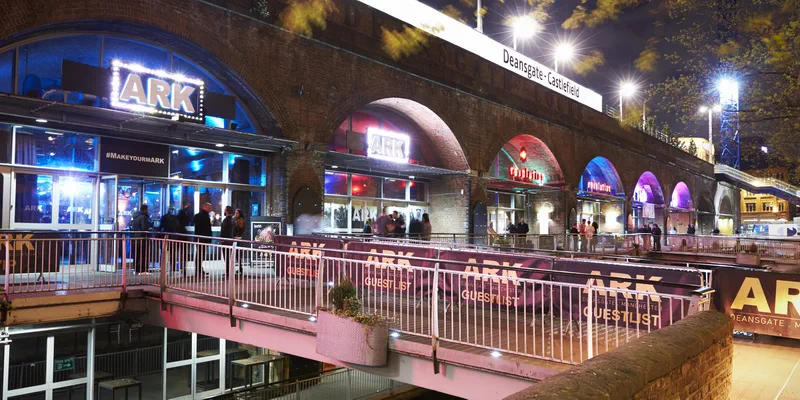
The John Rylands Library visitor programme provides a concrete cultural starting point on Deansgate. Its architecture, exhibitions and public events can give an agreed outing a shared focus. Check current visiting arrangements and event requirements before planning around it.
Respect the difference between a public event and quiet study or research. Do not interrupt someone reading to attempt an introduction. If you already have a date, agree whether you want a short visit and another public stop afterwards, rather than expecting conversation in every space.
Deansgate and Deansgate Locks are not interchangeable meeting instructions. Name the actual place, especially if you are arriving separately and have limited time.
Ancoats: A Named Cafe Is Better Than a Vague District Plan
For an Ancoats coffee or meal, pick somewhere both people can reach and confirm the entrance or address. Check whether seating and booking arrangements match the plan; do not assume an attractive photograph tells you how comfortable a conversation will be.
This can suit an afternoon date when both want a defined start and an easy finish. If you hope to meet people through an activity instead, check whether it genuinely has a social format. Walking into a cafe does not make other customers potential dates or oblige anyone to respond.
Castlefield: Keep the Outdoor Plan Public and Optional
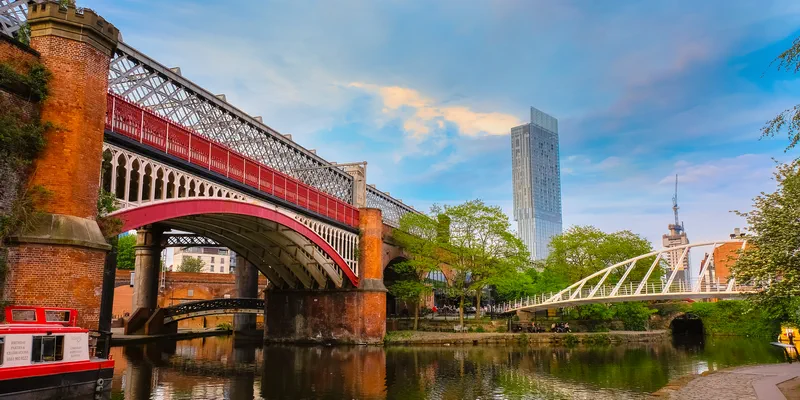
A daytime outing around Castlefield can be an option for people who enjoy a walk, provided the actual route, conditions and access suit both. Do not make a quiet canal-side stretch or a long walk the only first-date choice. Agree an accessible public meeting point with somewhere indoors to go if needed.
Ask about distance and surfaces without requiring personal health details. "Would you prefer a short walk or somewhere to sit?" is enough. Rain, tiredness or a preference for an indoor date is a reason to adapt, not evidence of low interest.
Canal Street: Respect the Community and the Event
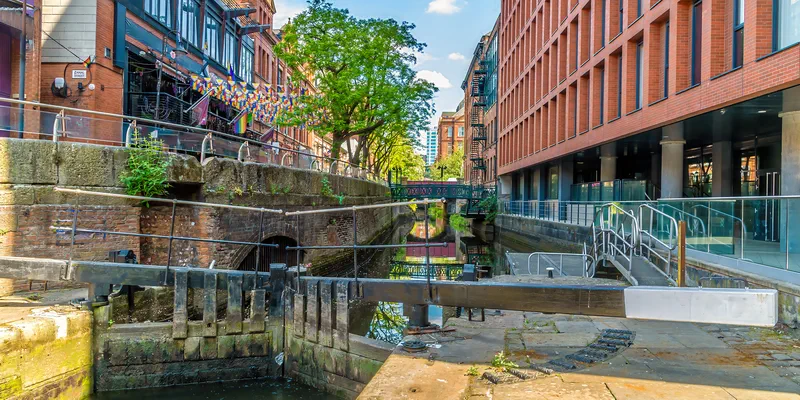
Canal Street and the Gay Village should not be described as an efficient place for heterosexual men to find women. Visitors' identities, relationship status and reasons for attending are not yours to infer. Choose an event because its purpose and setting genuinely suit you.
If you are going with a date or friends, respect the venue's community and rules. Do not treat LGBTQ+ spaces as a novelty or a collection of people to approach. The same principle applies everywhere: a shared setting is not consent to romantic attention.
Manchester Art Gallery and HOME: Two Different Cultural Outings
Manchester Art Gallery gives an art-focused outing a specific destination on Mosley Street. Check the current visiting information and exhibitions. Choose a manageable part of the visit together rather than turning it into a long lecture about your own interests.
HOME offers a different starting point for cinema or theatre plans. Confirm the programme, ticket conditions and whether both people want the performance. A film can be enjoyable but leaves little room to talk during it, so discuss whether a short conversation before or afterwards is wanted.
These are suggestions for cultural participation or an agreed date, not claims about singles attendance. Public events, visitor information and any access requirements should be checked at the source rather than copied from an old recommendation.
Recurring Activities Can Fit a Social Week After 40
A class, volunteering role, reading group or recreation programme can provide contact without making every outing a date. Choose one that matches your interests, ability and actual availability, and check whether it welcomes newcomers. Do not use service or teaching relationships as an opportunity to pressure participants.
For example, someone returning to social life after divorce might attend an activity regularly because he enjoys it, while accepting introductions through friends separately. There is no requirement to ask someone out at the first session or to turn a group into a dating pool.
If conversation becomes mutual, an invitation can be simple and private enough not to put someone on display. Accept a refusal without making the shared activity uncomfortable.
Two Manchester Plans That Do Not Require a Full Evening
A daytime cultural date: agree a short gallery visit, check access and opening arrangements, and ask whether coffee afterwards would appeal. Either person can keep it to the original plan. Do not prepay an elaborate second stage without agreement.
An after-work meeting: choose one venue convenient for both routes, check the cost and decide on a sensible finish around your return journeys. If football or another event affects the route, consult TfGM's journey planner and adapt the particular plan rather than abandoning the whole city centre.
Neither plan guarantees chemistry. Its value is that both people can talk and leave independently without the pressure of a long itinerary.
From an Online Introduction to a Manchester Outing

If you have met through an app, agree that you both want a local public meeting and choose the actual venue together. The UK practical dating guide covers messages and invitations; there is no need to add a compulsory video stage to every nearby date.
If you are considering LadaDate, understand that it provides international introductions rather than guaranteed women in Manchester. The international guide for British men addresses that separate choice. Do not register expecting this list of local places to describe the platform's available profiles.
FAQ About Meeting Women in Manchester
Where can men over 40 meet women in Manchester without relying on nightlife?
Explore public cultural events, classes, volunteering and introductions through friends that suit your interests. Manchester Art Gallery, John Rylands Library programmes and HOME offer cultural outings, not guaranteed singles or dating events. Check the current programme and the purpose of each activity.
Is the Northern Quarter suitable for a first date?
It can be if you choose a named venue, a time and a sound level that suits both people. Do not assume every bar or cafe offers a quiet setting. Check access and the journey home before confirming.
Where can I arrange an alcohol-free Manchester date?
A mutually chosen gallery visit, daytime coffee or another public activity can work. Agree any ticket costs and check opening arrangements. An alcohol-free plan does not need explaining or justifying.
Can I meet women by visiting John Rylands Library?
It is a cultural and research setting, not a singles venue. Attend for its architecture, exhibitions or an appropriate public event, and respect quiet areas and people studying. Friendly conversation is not evidence of romantic interest.
Should I choose Deansgate, Castlefield or Ancoats?
Choose according to the activity, venue and both journeys, not assumptions about the women who visit an area. Deansgate may suit a cultural stop, Castlefield an agreed public outing, and Ancoats a named cafe or meal if convenient.
Do these Manchester places guarantee meeting single women?
No. Visitors, staff and group participants may not be single or open to an introduction. A brief conversation should be welcome to both people, and a refusal or lack of engagement is a reason to leave it there.
Choose a Setting You Would Enjoy Anyway
Use the neighbourhood to narrow the outing, then check the specific venue and both journeys. A good Manchester social routine remains worthwhile without a romantic introduction, while an agreed first date leaves both people free to decide whether they want another.

 Start Live chat
 Send Message