Dating Trends: What's Shaping Modern Relationships Right Now
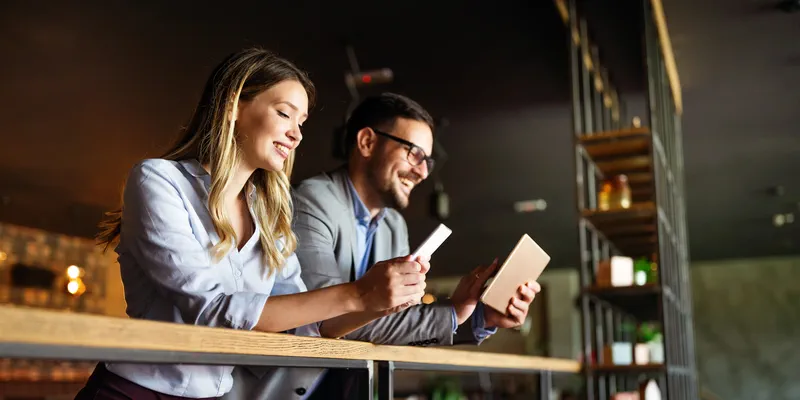
Modern relationships are changing faster than ever, due to technology, shifting social norms, and new expectations about communication and commitment. Today's dating landscape looks very different from just a decade ago, while people explore more flexible and personalized ways to connect.
Why Dating Trends Are Changing Faster Than Ever
The dating scene is evolving quickly because people now live in a more connected, fast-paced, and digitally driven world. Technology has completely changed how we meet potential partners, while social media changes our expectations, behavior, and even how relationships are presented publicly.
Several key trends are shaping modern dating today. Online dating apps and platforms have become the primary way many people meet. There is also a stronger focus on emotional compatibility, mental health, and personal boundaries.
What Are Dating Trends and Why They Matter
Dating trends are the patterns and behaviors that shape how people meet, interact, and build relationships over time. They reflect changes in technology, culture, and personal values. Understanding these trends helps people better navigate dating, set realistic expectations, and make more informed choices about their relationships.
How Social Media and Apps Influence Dating
Social media and dating apps have completely transformed the way people connect. Platforms like Instagram, TikTok, and various dating apps make it easier to meet new people, but they also shape first impressions long before a real conversation begins. Profiles, photos, and online behavior act as “digital first dates”. As a result, dating has become faster, more visual, and sometimes more selective than before.
Why Modern Dating Feels Different
Modern dating feels different because it is driven by constant choice, instant communication, and shifting expectations. People now have access to a wider pool of potential partners, which can be both exciting and overwhelming. At the same time, there is a stronger focus on self-awareness, emotional well-being, and personal independence.
The Biggest Dating Trends Right Now
Let's talk about the most popular relationship trends that impact on people's lives.
Intentional Dating Over Casual Swiping
One of the biggest shifts is the move away from endless swiping toward more intentional dating. Instead of treating apps like a game of chance, many people now focus on clear goals and compatibility from the start. This trend highlights a desire for meaningful connections.
Slow Dating and Taking Time
Slow dating encourages people to take their time before rushing into relationships. Rather than fast-paced texting and quick meetups, individuals are choosing to build trust gradually. This approach helps create stronger emotional foundations and reduces dating burnout.
Emotional Availability Becomes Attractive
Emotional openness is now seen as a key factor in attraction. People value partners who can communicate feelings honestly and handle emotional depth. Being emotionally available is no longer a weakness, it's a major strength in modern relationships.
“Micro-Mance” and Small Gestures
Instead of grand romantic actions, “micro-mance” focuses on small, thoughtful gestures. Simple acts like remembering details, sending supportive messages, or sharing daily moments have become powerful ways to show care and build connection in everyday life.
Anti-Ghosting Culture
Ghosting is becoming less socially acceptable as people push for clearer communication. The anti-ghosting trend encourages honesty, even when you decide to end a connection.
Value-Based Matching
More people are prioritizing shared values over surface-level attraction. Whether it's lifestyle choices, personal beliefs, or long-term goals, compatibility implies you both are interested in the same things. This trend helps build more stable and long-lasting relationships.
How Dating Trends Affect Online Dating
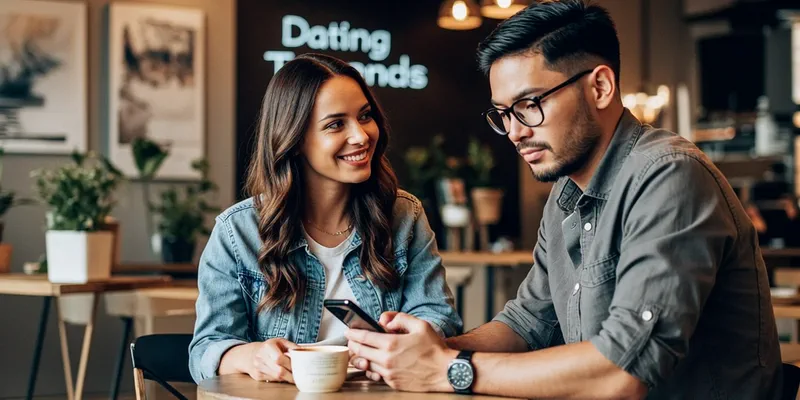
Current dating trends change how people behave on dating apps. Since users become more intentional, emotionally aware, and value-driven, these shifts are directly reflected in how profiles are written, how conversations start, and what people expect from online interactions. Dating apps are no longer just about appearance, they are becoming spaces where personality and authenticity matter.
Profiles Are Becoming More Honest
Dating profiles are becoming more honest and self-reflective. Instead of overly polished or exaggerated descriptions, people are more likely to share their real interests, intentions, and even deal-breakers. They want to attract compatible matches, so online dating feels more transparent and meaningful.
Less Perfection, More Authenticity
There is also a growing shift away from “perfect” images and curated lifestyles toward more authentic self-presentation. Users are comfortable showing unfiltered photos, real-life moments, and personality-driven content. This trend reduces pressure to impress and encourages more genuine connections, where people are accepted for who they truly are.
The Psychology Behind Modern Dating Trends
Modern dating trends are based on how people think, feel, and behave in romantic contexts. As dating becomes more digital and fast-paced, users naturally adjust their behavior in response to emotional overload, shifting expectations, and a stronger awareness of mental well-being.
Burnout from Dating Apps
One major psychological driver is burnout from dating apps. Constant swiping and looking for what are Tinder top picks, repetitive conversations, and frequent disappointments can lead to emotional exhaustion. Many users start feeling overwhelmed or disengaged, which pushes them to reduce their activity. This fatigue makes people to seek slower, more intentional ways of meeting partners.
Desire for Real Connection
At the same time, there is a growing desire for real, meaningful connection. After experiencing superficial interactions online, many people begin to prioritize depth over quantity. This shift leads them to focus on emotional compatibility, honest communication, and shared values. As a result, their behavior changes: they become more selective, more patient, and more focused on building genuine relationships.
Dating Trends by Age and Lifestyle
Dating trends vary depending on age and lifestyle, since people in different life stages have different priorities, experiences, and expectations. What feels important in relationships during early adulthood may look very different later in life.
Dating in Your 20s vs 30s
In your 20s, dating is more exploratory and flexible. Many people focus on meeting new partners, gaining experience, and figuring out what they truly want in a relationship. There is less pressure, and casual dating or short-term connections are more common because individuals are still discovering themselves.
In your 30s, the approach to dating tends to become more intentional and selective. People are clearer about their values, life goals, and emotional needs. They are into compatibility, stability, and long-term potential. As a result, dating becomes less about experimentation and more about building meaningful, lasting connections.
Are Dating Trends Actually Improving Relationships?
Any new dating trend has brought both positive changes and new challenges to modern relationships. While they help people become more aware of their needs and improve communication, they also introduce new pressures and complexities.
Pros of modern dating trends:
- encourage more emotional awareness and open communication;
- help people find partners with shared values and long-term compatibility;
- make it easier to meet new people through apps and social platforms;
- promote healthier boundaries and clearer relationship intentions;
- reduce tolerance for toxic behaviors like ghosting or manipulation.
Cons of modern dating trends:
- can create choice overload, making it harder to commit;
- lead to dating fatigue and emotional burnout from apps;
- sometimes prioritize online image over real-life connection;
- increase expectations for instant chemistry and fast results;
- may make relationships feel more transactional or disposable.
Overall, dating trends are reshaping relationships in both helpful and challenging ways.
How to Navigate Dating Trends Without Losing Yourself
Modern dating trends can be helpful, but they can also create pressure to behave in certain ways. The key is learning how to adapt to new dating culture while still staying true to your own values, needs, and emotional comfort.
Stay Authentic
Staying authentic means being honest about who you are and what you want from dating. When people present their real personality, interests, and intentions, they are more likely to attract compatible partners. Authenticity also helps build stronger emotional connections, because relationships are based on truth rather than performance.
Don't Follow Trends Blindly
It's important not to follow dating trends just because they are popular. What works for others may not work for you, especially when it comes to emotional needs and relationship goals. Instead of copying behaviors like “slow dating” or “intentional dating” without reflection, choose what genuinely feels right.
Trends Change, but Connection Stays the Same
Dating trends will continue to evolve as technology, culture, and lifestyles shift, but the core of relationships remains constant. People still want understanding, trust, emotional safety, and genuine connection. While the way we meet and interact may look different today, the desire to be truly seen and valued is still the same.
 Start Live chat
 Send Message