Dating in Austin Today: Why a Fast-Growing City Creates More Options but Less Clarity

Austin is one of the most interesting dating cities in the United States because it combines growth, social openness, and lifestyle energy in a way that feels very different from older, more established markets. It has music, nightlife, outdoor spaces, tech culture, and a steady stream of newcomers arriving with different goals, backgrounds, and expectations. That gives the city a lot of dating activity.
But modern dating in Austin is not only exciting. It can also feel unclear. More people means more possibilities, yet it also means more mismatch. Some singles are looking for serious relationships, some are still exploring, and some are just adjusting to a city that changes quickly. That is why dating in Austin often feels full of opportunity while still being harder to define than people expect.
If you want the broader national context first, start with dating in the USA today. This page focuses specifically on how dating works in Austin, why it often feels socially active but emotionally mixed, and what helps singles build stronger momentum in a city that rarely stands still.
What Dating in Austin Looks Like Today
Dating in Austin is shaped by growth. The city has expanded fast, and that changes everything about how people meet, how they communicate, and how they think about relationships. You are dealing with a mix of longtime locals, young professionals, creatives, students, startup people, and transplants from all over the country.
A lot of dating in Austin now happens through:
- apps and casual online messaging;
- live music, bars, and social venues;
- outdoor spaces, food spots, and lifestyle routines;
- friend groups, work circles, and new-arrival communities.
This creates a city where dating rarely feels dead. The problem is usually not lack of options. The problem is sorting through very different levels of intention inside the same social environment.
Why Austin Feels Different From Other US Cities

Compared with older, more established cities, Austin feels younger, looser, and more transitional. Chicago can feel more structured. Miami can feel more image-driven. San Diego can feel more relaxed and stable. Austin feels like a city where many people are still building their lives, and that creates a very specific dating atmosphere.
That atmosphere is energetic, open, and full of possibility. But it can also feel uncertain because many people are not fully settled in who they are, what they want, or how long they are even planning to stay in the same rhythm. This is one reason Austin dating can feel fun at the beginning but harder to define later on.
Why Apps Play Such a Big Role in Austin Dating
Austin has enough social energy to support strong offline dating, but apps still play a huge role. They are convenient in a city where people are busy, social circles overlap unevenly, and new people keep arriving.
Apps work here because they help people:
- meet beyond their current routine;
- connect with newcomers they would not otherwise cross paths with;
- filter for attraction and lifestyle quickly;
- stay active in dating even during busy work periods.
But that same convenience also creates a problem. The more options people feel they have, the easier it becomes to stay half-invested. Austin dating apps often reflect the city itself: social, optimistic, full of possibility, but not always focused enough to create strong continuity. If you want the dedicated support page for that part of the process, continue with dating apps in the USA.
Why Mixed Expectations Are So Common
One of the biggest reasons dating in Austin feels confusing is that people are often in very different life stages while using the same dating spaces. Some are looking for a serious partner. Some are newly single. Some are new to the city and just exploring. Some are highly career-focused and not ready to build much outside work.
This often creates a familiar pattern:
- good early chemistry with unclear direction;
- conversations that feel promising but stay vague;
- dates that are enjoyable but do not progress;
- people who seem interested, but not equally available.
That does not mean Austin is a bad dating city. It means clarity matters more here than many people think. Without clear communication, the city’s openness can easily turn into ambiguity.
Why Communication Matters More Than Volume
In a city with this much activity, more options do not automatically create better outcomes. In fact, they often create more noise. That is why communication quality matters so much more than pure dating volume.
The people who usually do better in Austin are the ones who know how to:
- create natural but focused conversations;
- show interest without becoming heavy or performative;
- move beyond casual texting before the interaction goes flat;
- find out what the other person actually wants instead of guessing for too long.
This is also why stronger communication tools matter more than endless messaging. A useful next step is video chat dating in the USA, because video helps turn a vague app interaction into something more real much faster.
Austin Dating Culture: Open, Social, but Not Always Clear
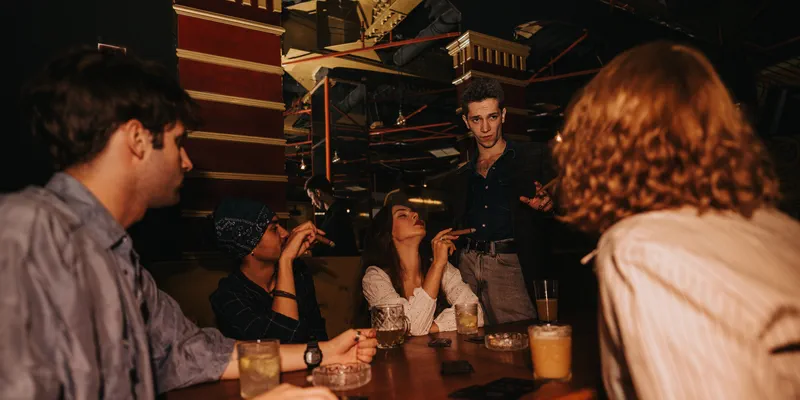
Austin dating culture often feels welcoming at the surface. People are usually easier to talk to than in more formal or more status-driven markets. The city has a casual confidence that makes first contact feel lighter and more natural.
But that same ease can sometimes hide a lack of direction. The social side of dating works well here, while the relationship side depends much more on whether two people are actually aligned.
That creates a city where:
- first contact can feel easy;
- chemistry can build quickly;
- long-term intention is not always obvious;
- consistency becomes the real test.
Why Many Singles Still Experience Dating Fatigue
Even though Austin feels lively, many singles still get burned out. The fatigue usually does not come from coldness or lack of social life. It comes from repeated conversations that feel different on the surface but lead to similar outcomes.
- good starts without enough follow-through;
- promising app conversations that stay vague;
- social chemistry without relationship clarity;
- too much openness and not enough direction.
That is one of the defining frustrations of dating in Austin. The city gives you momentum, but it does not automatically give you stability. People stay active for a long time while still feeling like they are not getting much closer to what they actually want.
What People Often Value in Austin Dating
Although every person is different, a lot of singles in Austin respond best to a style that feels grounded, easygoing, and socially aware. Big performance usually works worse than natural confidence and follow-through.
In practice, people often value:
- good communication without pressure;
- real curiosity instead of generic flirting;
- consistency rather than bursts of intensity;
- someone who can enjoy the city without drifting endlessly;
- clarity about relationship pace and direction.
If you want the broader traits-and-expectations angle inside the USA cluster, continue with how to date American women.
Why Some People Look Beyond Local Dating
When Austin dating starts to feel too repetitive or too unclear, some people begin looking outside the local market. That does not always mean local dating failed. Often it simply means the city’s constant mix of growth and ambiguity no longer feels efficient for building something stable.
This is one reason some men eventually explore international dating for American men, where communication and relationship goals can sometimes feel more direct.
That does not replace local dating, but it can become another path when the same city patterns keep producing the same uncertain results.
Can Dating in Austin Still Work Well?
Yes. Austin can work very well for dating because it combines social energy, openness, and enough diversity to support many kinds of relationship styles. The city gives people real opportunities to meet and connect. The challenge is not access. The challenge is clarity.
The people who usually do better are the ones who:
- do not stay stuck in endless casual chat;
- move toward real interaction at the right time;
- focus on consistency instead of just attraction;
- understand that growth and openness also create mismatch.
If you want the practical offline companion page too, continue with where to meet women in Austin.
How Austin Fits Into Modern Dating in the USA
Dating in Austin reflects a broader shift happening across the United States. Cities are growing, social circles are expanding, and people are meeting more than ever before — but building clear, consistent relationships has become more complex.
If you want the bigger picture, continue with dating in the USA today. For a more practical strategy approach, see dating in the USA for men.
FAQ About Dating in Austin Today
Is dating in Austin hard today?
Dating in Austin can feel exciting and full of opportunity, but many singles still deal with mixed expectations, app fatigue, and conversations that do not always turn into stable relationships.
What is dating culture like in Austin?
Austin dating culture is shaped by a fast-growing population, tech influence, social openness, and a mix of casual and relationship-oriented intentions. It often feels energetic, but not always clear.
Do people in Austin still meet offline?
Yes. Austin is still a strong offline dating city because music, food, nightlife, outdoor spaces, and social events create many natural opportunities to meet people in real life.
Why do dating apps feel inconsistent in Austin?
Because the city has a large mix of newcomers, professionals, students, and people with different relationship goals. That creates variety, but also a lot of unclear expectations.
Can online dating in Austin lead to a serious relationship?
Yes. Many real relationships begin online in Austin, but better results usually come when people move beyond surface-level chat, communicate clearly, and create real momentum early.

 Start Live chat
 Send Message